
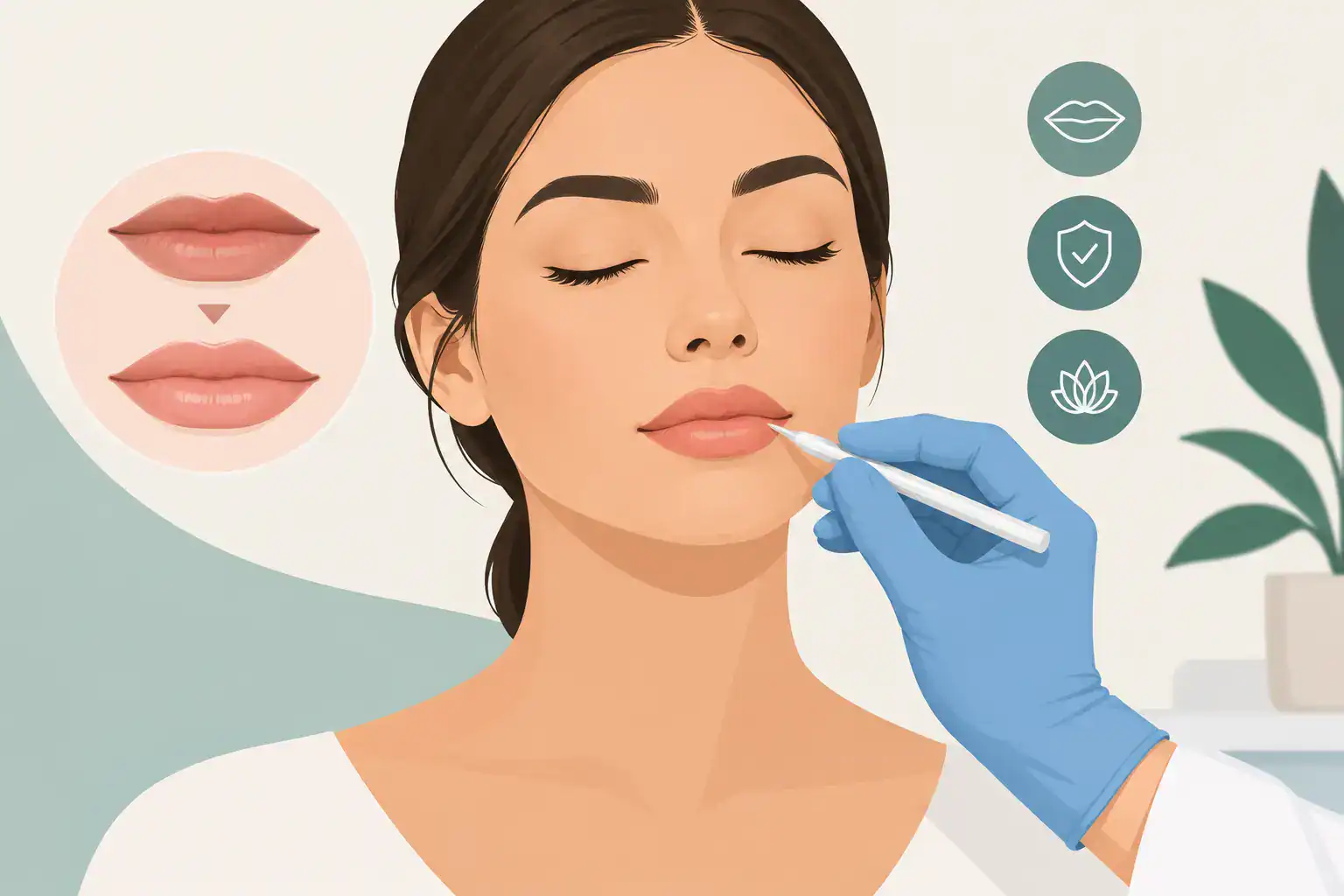
The question, “does lip neutralization hurt?” usually comes from a very reasonable place: you want to correct uneven, cool, or dark lip tones without committing to an uncomfortable experience or an artificial result. The honest answer is that sensation varies, but a refined lip neutralization procedure should be highly manageable. With the right preparation, topical comfort measures, and precise technique, most clients describe the feeling as mild pressure, light scratching, or a gentle vibration rather than significant pain.
Lip neutralization is also not a standard lipstick tattoo. It is a specialized color-correction process designed to balance natural lip undertones before adding soft, healthy-looking warmth. The work requires a controlled hand, custom pigment selection, and a technician who understands how the lips heal across different skin tones. Those details influence not only the final color, but also how comfortable the appointment feels.
Does Lip Neutralization Hurt During the Procedure?
Lips are sensitive, so it would not be accurate to promise that you will feel nothing. However, sensitivity is not the same as pain. During a properly performed treatment, the sensation should remain controlled and tolerable from start to finish.
Before pigment is placed, a topical anesthetic is typically used to help keep the area comfortable. Additional comfort measures may be applied as the procedure progresses, depending on the method and your individual response. Many clients are surprised by how relaxed the experience feels once the treatment begins, particularly when compared with their expectations.
Certain areas can feel more sensitive than others. The center of the lips, the border, and areas with more natural darkness may require careful attention. A skilled specialist works deliberately in these zones rather than repeatedly overworking them. Precision matters because unnecessary passes can increase irritation without improving the result.
Your own sensitivity can also change from day to day. If you are dehydrated, anxious, tired, or approaching your menstrual cycle, you may feel more reactive than usual. This does not necessarily mean you are not a candidate. It simply means your provider should account for comfort as part of a personalized treatment plan.
Why Technique Changes the Lip Neutralization Experience
The equipment, pigment placement, pressure, and pace of the procedure all matter. Traditional permanent makeup can be associated with heavier implantation, harsh color shifts, and a more aggressive approach. Advanced semi-permanent methods are designed to create a softer deposit of color with greater control.
For lip neutralization, the goal is not to force a bright shade over naturally melanin-rich or cool-toned lips. That approach can heal unpredictably. Instead, the specialist assesses the existing undertone and introduces strategically selected warm or balancing pigment in controlled layers. The result is intended to look like your lips at their healthiest, not like opaque makeup sitting on the skin.
This is especially relevant for deeper skin tones and lips with pronounced brown, purple, gray, or bluish undertones. Color correction is technical work. An inexperienced provider may select a pigment that looks attractive in the bottle but heals too cool, too bright, or uneven on the lips. A more sophisticated process starts with the client’s natural lip color, skin tone, lifestyle, and desired level of enhancement.
At MicroArt, this level of precision is central to the approach. Proprietary technology, custom-blended mineral-based pigments, and highly controlled application are designed to deliver a natural finish while avoiding the harsh, overly tattooed look that many clients want to leave behind.
What Lip Neutralization Feels Like Afterward
For most clients, the post-treatment period feels more like temporary tenderness or tightness than pain. Your lips may feel dry, slightly swollen, or sensitive for the first day or two. Mild swelling is common, particularly immediately after the appointment, but it typically settles quickly.
The color will also look stronger at first. That is expected. Fresh pigment sits more visibly at the surface before the lips begin their healing process. As the lips recover, the shade softens significantly and reveals a more natural result over the following weeks.
Unlike more invasive cosmetic treatments, a modern semi-permanent approach is intended to minimize trauma to the skin. Still, aftercare is not optional. Healing well protects both your comfort and your color outcome. Your specialist should provide instructions tailored to your procedure, but the general principle is simple: keep the lips clean, hydrated as directed, and free from unnecessary friction.
For the first several days, avoid picking at dry skin, rubbing the lips, or exposing them to excessive heat. You may also be advised to avoid intense exercise, swimming, saunas, spicy foods, and direct sun exposure for a short period. These are practical measures, not inconveniences for their own sake. They help protect fresh pigment while the lip tissue settles.
How to Make Your Appointment More Comfortable
The best comfort strategy begins before you arrive. Healthy, hydrated lips are easier to treat than dry, cracked lips. Begin hydrating in the days leading up to your appointment and use a simple lip moisturizer consistently, unless your provider instructs otherwise.
Avoid scheduling when you have active chapping, cold sores, irritation, or a lip injury. If you have a history of cold sores, tell your provider during your consultation. Lip procedures can trigger a recurrence in some people, and a medical professional may recommend preventative antiviral medication. Do not self-prescribe or ignore this part of your health history.
It is also wise to limit alcohol and avoid products or medications that can increase bleeding, unless they have been prescribed by your physician. Never stop prescribed medication without medical guidance. Your specialist should review pre-care carefully and ask about relevant allergies, health conditions, and prior cosmetic tattooing.
On the day of treatment, eat a balanced meal, drink water, and plan for a calm appointment. Arriving rushed, hungry, or overstimulated can make any cosmetic procedure feel more intense. A premium treatment should never feel hurried. You should have space to ask questions, understand the color plan, and feel confident before any pigment is applied.
When Sensitivity May Be Higher
A small number of clients are more sensitive to lip treatments because of their skin condition, medications, medical history, or anxiety around cosmetic procedures. This is not a reason to guess or push through discomfort. It is a reason for a detailed consultation.
You may need to postpone treatment if your lips are actively inflamed, severely dry, sunburned, or healing from another procedure. Clients who have recently received fillers should also disclose the timing, as the lips need to be stable before color work is considered. If you have had previous lip tattooing, correction work can be more nuanced because old pigment, scar tissue, and uneven healing may affect both sensation and color selection.
A responsible provider will not treat every set of lips the same way. The safest and most flattering plan may involve one session, multiple gradual sessions, or a recommendation to address an underlying concern first. That level of discernment protects your result.
The Bigger Question: Will the Result Feel Worth It?
For clients who have spent years concealing lip discoloration with liner, lipstick, or concealer, the appeal of neutralization is not simply adding color. It is the freedom of looking polished without daily correction. When done well, the final effect should be discreet: a more even lip tone, a healthier warmth, and definition that still looks like you.
The trade-off is patience. Lip neutralization is a healing process, not an instant lipstick application. The first color is not the final color, and some lips need more than one session to reach an even, refined outcome. Choosing a provider based solely on speed or price can create a far more difficult correction process later.
If you are considering lip neutralization, prioritize expertise, pigment knowledge, and a consultation that treats your natural lip tone as the starting point. The right procedure should leave you feeling cared for during the appointment and quietly confident every time you look in the mirror afterward.