
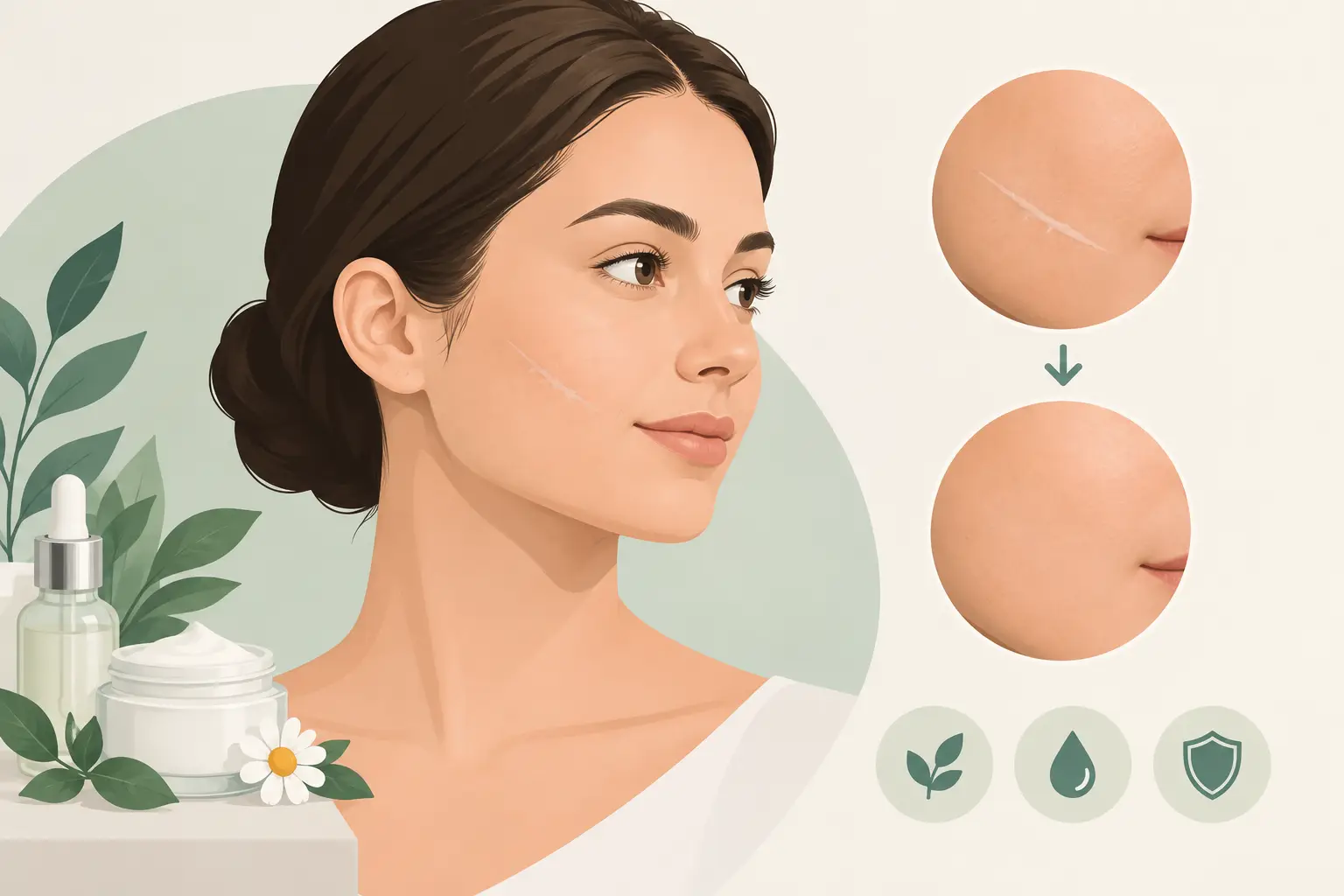
A white scar can be far more noticeable than a darker one, especially in sunlight, on tanned skin, or across areas that are otherwise smooth and even-toned. The best solutions for white scars begin with one essential distinction: are you trying to improve the scar’s texture, restore its missing color, or address both? Those goals require different treatments, and choosing the wrong one can mean spending months on a procedure that was never designed to solve the problem you see in the mirror.
White scars, also called hypopigmented scars, form when the skin heals with less melanin than the surrounding tissue. They may follow surgery, injury, burns, acne, a skin infection, or a previous cosmetic procedure. Some are flat and smooth but pale. Others are indented, thickened, or uneven as well. The most refined treatment plan accounts for the scar’s age, location, depth, stability, skin tone, and how the surrounding skin changes with sun exposure.
Best Solutions for White Scars Start With the Right Diagnosis
Before selecting a treatment, a qualified medical or cosmetic specialist should determine whether the area is a stable scar, active vitiligo, post-inflammatory pigment loss, or another skin condition. These concerns can look similar at first glance, but they do not behave the same way and should not be treated as if they do.
A scar also needs adequate time to mature. Fresh scars can be red, pink, raised, tender, or actively changing for many months. Pigment camouflage is generally considered only after healing has stabilized and the scar is no longer evolving. Treating too early can compromise color matching and produce a result that no longer suits the skin once healing is complete.
For a raised, itchy, painful, or rapidly changing scar, start with a board-certified dermatologist or plastic surgeon. A scar that is flat, fully healed, and lighter than the surrounding skin may be an excellent candidate for cosmetic color restoration, particularly when its texture is already acceptable.
Improve Texture Before You Camouflage Color
A common mistake is expecting one treatment to erase every feature of a scar. Medical and aesthetic procedures can improve texture, while camouflage techniques address visible color contrast. In many cases, the most natural outcome comes from treating texture first, then restoring color only after the skin has settled.
Fractional laser resurfacing
Fractional lasers can help soften irregular texture, stimulate collagen remodeling, and reduce the contrast created by certain surgical, acne, and injury scars. They are often most useful for scars that are indented, thickened, or uneven rather than simply pale. Results are gradual and may require a series of treatments.
Laser treatment is not a guaranteed pigment-restoration procedure for white scars. Depending on the device, skin type, scar characteristics, and treatment settings, it can sometimes encourage pigment activity, but that response is unpredictable. Clients with deeper skin tones require particularly thoughtful laser selection and experienced care because improper settings can create unwanted pigment changes.
Microneedling and radiofrequency microneedling
Microneedling can support collagen remodeling in appropriate scars and may improve the way light reflects from uneven skin. Radiofrequency microneedling adds controlled heat beneath the surface and may be considered for certain textural concerns. Neither treatment replaces missing pigment directly, but improving the scar’s surface can make later camouflage more convincing.
These options are not appropriate for every scar. Active acne, infection, keloid tendencies, certain medications, and poorly controlled skin conditions can affect candidacy. A medical provider can determine whether the potential benefit justifies the risk for your skin.
Surgical revision and scar-directed medical care
Some scars are wide, tethered, contracted, raised, or positioned in a way that makes camouflage alone insufficient. Surgical scar revision may create a finer, more manageable line. Steroid injections, silicone therapy, pressure therapy, or other scar-directed care may be recommended when a scar is raised or hypertrophic.
These treatments can improve structure, but they do not automatically restore the skin’s original color. Once the revised scar has healed completely, color correction may become the final refinement.
Cosmetic Pigment Camouflage for Stable White Scars
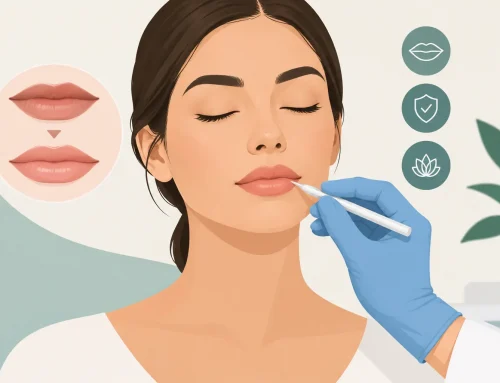
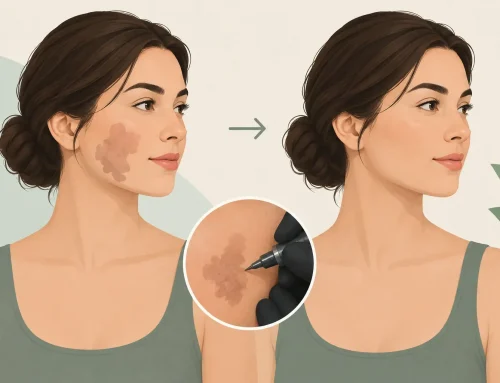
For a flat, mature white scar, precision scar camouflage can be one of the most effective visual solutions. The technique deposits custom-blended pigment into the scarred area to reduce the difference between the scar and surrounding skin. It is not traditional body tattooing, and it should never be approached as a one-color cover-up.
The goal is not to make a scar disappear under a flat block of color. The goal is to recreate the visual softness of natural skin using carefully layered pigment, adjusted undertones, and placement that respects the scar’s shape and surrounding complexion. A result may be undetectable at conversational distance while still retaining the natural variation that real skin has.
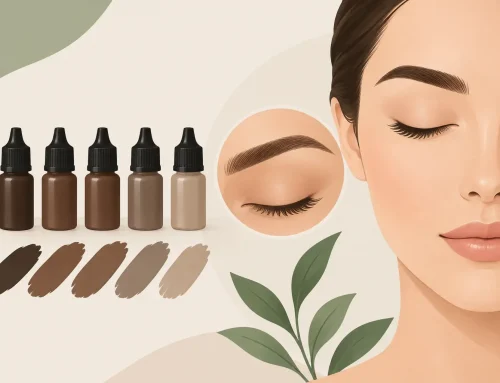
At MicroArt, scar camouflage is approached as a precision cosmetic procedure, using proprietary techniques and custom mineral-based pigments selected for the individual client rather than a generic shade chart. This level of customization matters most in highly visible areas such as the face, chest, abdomen, breasts, arms, and legs, where an obvious color mismatch can draw more attention than the scar itself.
Why skin tone matching is more complex than it sounds
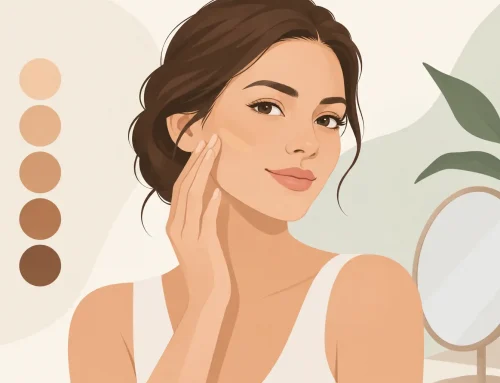
Skin is not one color. It contains warm, cool, neutral, olive, golden, red, and muted undertones that shift from one area of the body to another. A scar can also reflect light differently because scar tissue may be smoother, shinier, firmer, or thinner than surrounding skin.
A sophisticated camouflage treatment considers all of this. The practitioner may build color gradually over more than one session, allowing the skin to heal before making refined adjustments. This approach is more conservative than depositing an overly dense pigment at the first appointment, which can look unnatural as the skin settles.
Scar camouflage has limits. It cannot remove a scar’s texture, restore normal hair growth, or guarantee an identical match under every lighting condition. Sun exposure can darken surrounding skin while a scar remains relatively unchanged, temporarily increasing contrast. Clients who want the most consistent result should protect the area from tanning and use broad-spectrum sunscreen as advised by their provider.
What to Avoid When Treating White Scars
Be cautious of any treatment marketed as a universal scar eraser. White scars vary too widely for one-size-fits-all solutions, and aggressive treatments can create new problems, including inflammation, hyperpigmentation, worsening texture, or further pigment loss.
Avoid treating an unstable scar with cosmetic tattooing, attempting DIY pigment correction, or choosing a provider based solely on a low price. Scar tissue is not the same as untouched skin. It requires different technique, realistic color planning, and a provider who understands how healed tissue receives and retains pigment.
Also be skeptical of before-and-after photographs taken immediately after a procedure. Freshly treated skin can appear temporarily more blended because of redness, swelling, or surface moisture. Ask to see healed results on clients with similar skin tone, scar type, and body area. The healed result is the standard that matters.
Choosing the Best Option for Your Scar
If your main concern is uneven texture, begin with a dermatologist, plastic surgeon, or experienced aesthetic medical provider who can discuss resurfacing, microneedling, or revision. If the scar is smooth but visibly lighter than your skin, scar camouflage may offer the most direct improvement. If both texture and color are concerns, sequence matters: improve the structure first, allow complete healing, then evaluate pigment restoration.
A consultation should include a close review of the scar, your health history, previous treatments, realistic expectations, and how your skin behaves in the sun. The best provider will be direct about what can be improved, what cannot be changed, and whether waiting is the right decision.
White scars do not need to dictate how you dress, photograph, or feel in your skin. The right plan is rarely the fastest or most aggressive one. It is the one that respects the biology of the scar and delivers a result that looks believable in real life, not just under studio lighting.