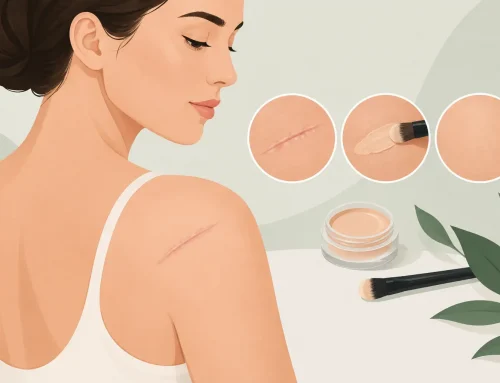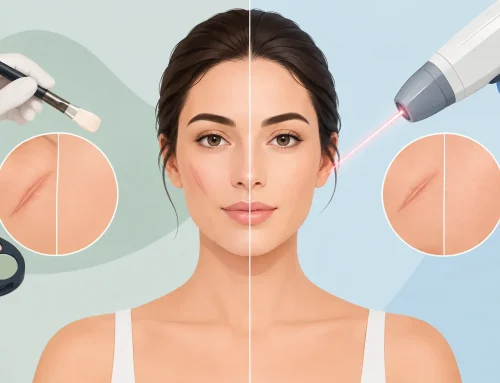


Camouflage tattoo safety is not determined by a pigment shade alone. It begins with deciding whether the skin is ready to be treated, continues with exacting sanitation and color selection, and depends on what happens after the appointment. For scar, vitiligo, areola, and tattoo camouflage clients, the goal is more than coverage. It is natural-looking coverage that respects the skin’s condition, tone, and long-term behavior.
A beautiful result should never require rushing a medical question, working over active irritation, or choosing a color that only looks right under studio lighting. The safest approach is measured, individualized, and led by a highly trained cosmetic camouflage specialist.
Camouflage Tattoo Safety Starts Before Pigment
The consultation is the most overlooked part of cosmetic camouflage safety. This is where a qualified provider examines the treatment area, reviews your history, identifies potential contraindications, and determines whether camouflage is appropriate now, later, or not at all.
Not every scar or area of uneven pigment should be treated immediately. Fresh scars are still changing in color, thickness, and texture. Skin that is inflamed, sunburned, infected, peeling, or actively flaring from a condition such as eczema or psoriasis needs time to stabilize. Camouflaging unstable skin can compromise both healing and color retention.
For vitiligo camouflage, stability matters especially. A client should discuss disease activity with their dermatologist before a cosmetic procedure. When vitiligo is actively spreading or new patches are appearing, additional skin trauma may be a concern. A responsible specialist will not present cosmetic tattooing as a replacement for dermatologic care.
Medical history also changes the conversation. Blood-thinning medications, a history of keloid scarring, immune suppression, uncontrolled diabetes, active cancer treatment, pregnancy, breastfeeding, allergies to topical products, and prior reactions to tattoo pigments may require postponement, physician clearance, patch testing, or a different solution. Disclosure is not a formality. It protects the client and informs every treatment decision.
The Technique Behind a Safer Cosmetic Result
A camouflage procedure should take place in a meticulously clean, professional environment using single-use needles or cartridges, barrier protection, properly disinfected surfaces, and pigments intended for cosmetic tattooing. Sterile technique is the baseline, not a premium add-on.
The method used also matters. Traditional body tattooing is designed to place pigment more deeply and create a lasting decorative mark. Cosmetic camouflage requires a lighter hand, refined placement, and a controlled approach to layering color. The skin is not a flat canvas, particularly over scars. Texture, circulation, thickness, and prior trauma can all affect how pigment settles.
Pressure and depth must be calibrated to the treatment area. Working too aggressively can create unnecessary trauma, extend healing, and produce uneven retention. Working too superficially may create a result that fades unpredictably. The right treatment is precise rather than forceful.
At MicroArt, the approach is built around proprietary precision equipment and custom-blended mineral-based pigments selected to complement the client’s surrounding skin, not simply cover the area with a generic beige. That distinction is essential. Skin carries undertones, surface color, and variations that shift in daylight, indoor light, and through seasonal tanning. Camouflage that ignores those variables often becomes more visible, not less.
Why a Perfect Color Match Is Not Promised in One Session
A reputable provider will set realistic expectations about color. Pigment can appear stronger or warmer immediately after treatment, then soften as the skin heals. Scar tissue may retain pigment differently from surrounding skin, and skin tone can change with sun exposure, hormones, skincare products, and time.
For that reason, camouflage is often developed gradually. Building coverage conservatively allows the specialist to evaluate healed color before making refinements. This is safer than trying to force opacity in one appointment. It also produces a more believable result, especially in highly visible areas such as the face, chest, hands, or areola.
Who Should Wait Before Camouflage Tattooing?
Timing protects results. If you have recently had surgery, laser treatment, a chemical peel, microneedling, radiation, or another procedure near the planned treatment area, allow the skin to fully recover and obtain medical guidance when appropriate. A scar may look healed at the surface while deeper remodeling is still underway.
Clients should also postpone treatment if they have an active cold sore outbreak near a lip-area procedure, a rash, open skin, a bacterial or fungal infection, or significant recent sun exposure. If you are using prescription retinoids, acne medications, exfoliating acids, or topical treatments that make the skin more sensitive, your provider needs to know before scheduling.
There is no universal timeline because the right timing depends on the body area, skin condition, medical history, and procedure type. The safest answer is sometimes not yet. A specialist who is willing to delay treatment is protecting your outcome, not withholding a service.
Aftercare Is Part of the Procedure
The appointment ends, but the safety protocol does not. Freshly treated skin needs a clean, controlled healing environment. Follow the aftercare instructions given for your specific procedure rather than borrowing advice from a friend’s body tattoo or permanent makeup experience.
In most cases, clients should keep the area clean, avoid touching it with unwashed hands, and avoid picking, scrubbing, or exfoliating healing skin. Swimming pools, hot tubs, saunas, heavy sweating, direct sun, and friction from tight clothing may need to be avoided for the period advised by the provider. These exposures can interfere with healing and affect pigment retention.
Do not apply unapproved creams, makeup, self-tanner, active skincare, or home remedies to the area. More product is not better. The correct aftercare plan is designed to support the skin barrier without trapping irritation or introducing contaminants.
Mild tenderness, temporary redness, and a deeper initial color can occur after cosmetic tattooing. However, increasing pain, heat, swelling, spreading redness, pus, fever, hives, difficulty breathing, or other signs of infection or allergic reaction require prompt medical attention. Contact your healthcare provider rather than trying to manage a potentially serious reaction at home.
Questions That Reveal a Safety-First Provider
Before booking, ask how the provider assesses candidacy, what sanitation protocols they use, whether they perform patch testing when indicated, and how they select pigments for your exact skin tone. Ask to see healed work on clients with similar skin characteristics and concerns, not only immediate after photos.
You should also understand the maintenance plan. Cosmetic camouflage is not always permanent, and fade patterns vary. Sun exposure, skincare routines, metabolic factors, and the treatment area can influence longevity. A transparent provider will explain what touch-ups may involve without making unrealistic permanence claims.
Be cautious of anyone who guarantees complete coverage, promises identical color matching under every lighting condition, treats active skin conditions without discussion, or dismisses your medical history. Cosmetic camouflage is advanced aesthetic work, but it is still a skin procedure. Expertise is demonstrated through careful boundaries as much as through impressive before-and-after images.
The right camouflage tattoo should give you more freedom to move through life without drawing attention to the area you once tried to hide. Start with a detailed consultation, bring your full health history, and choose a specialist whose standards are as exacting as your expectations.