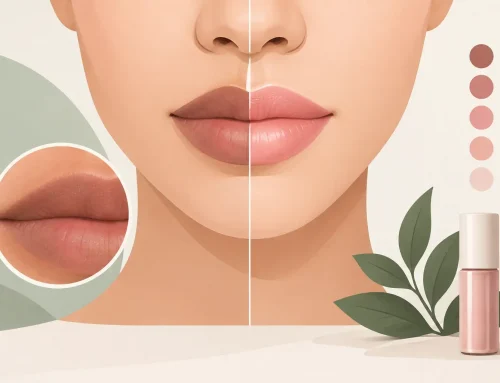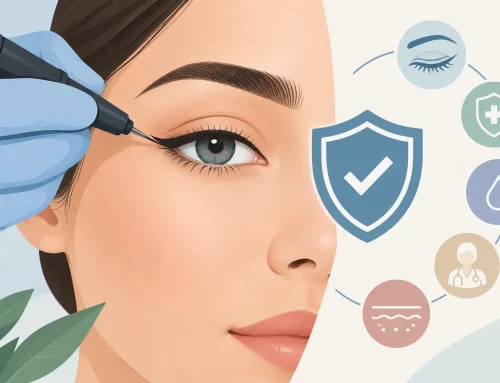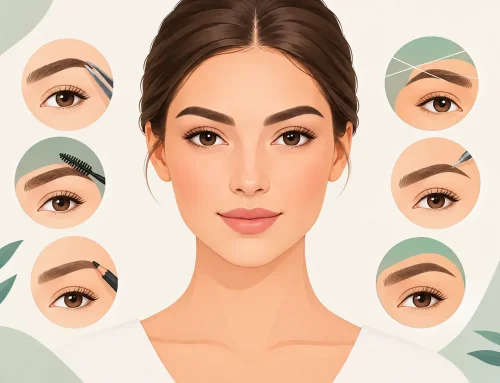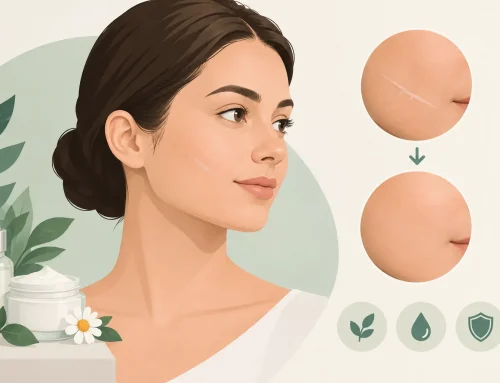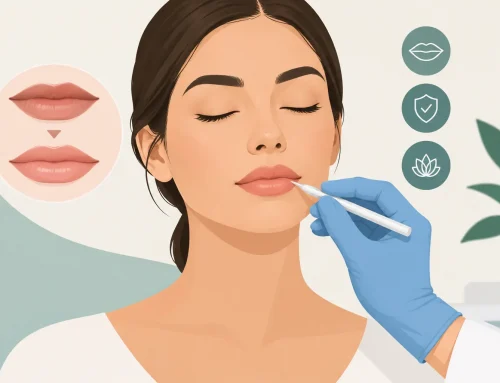

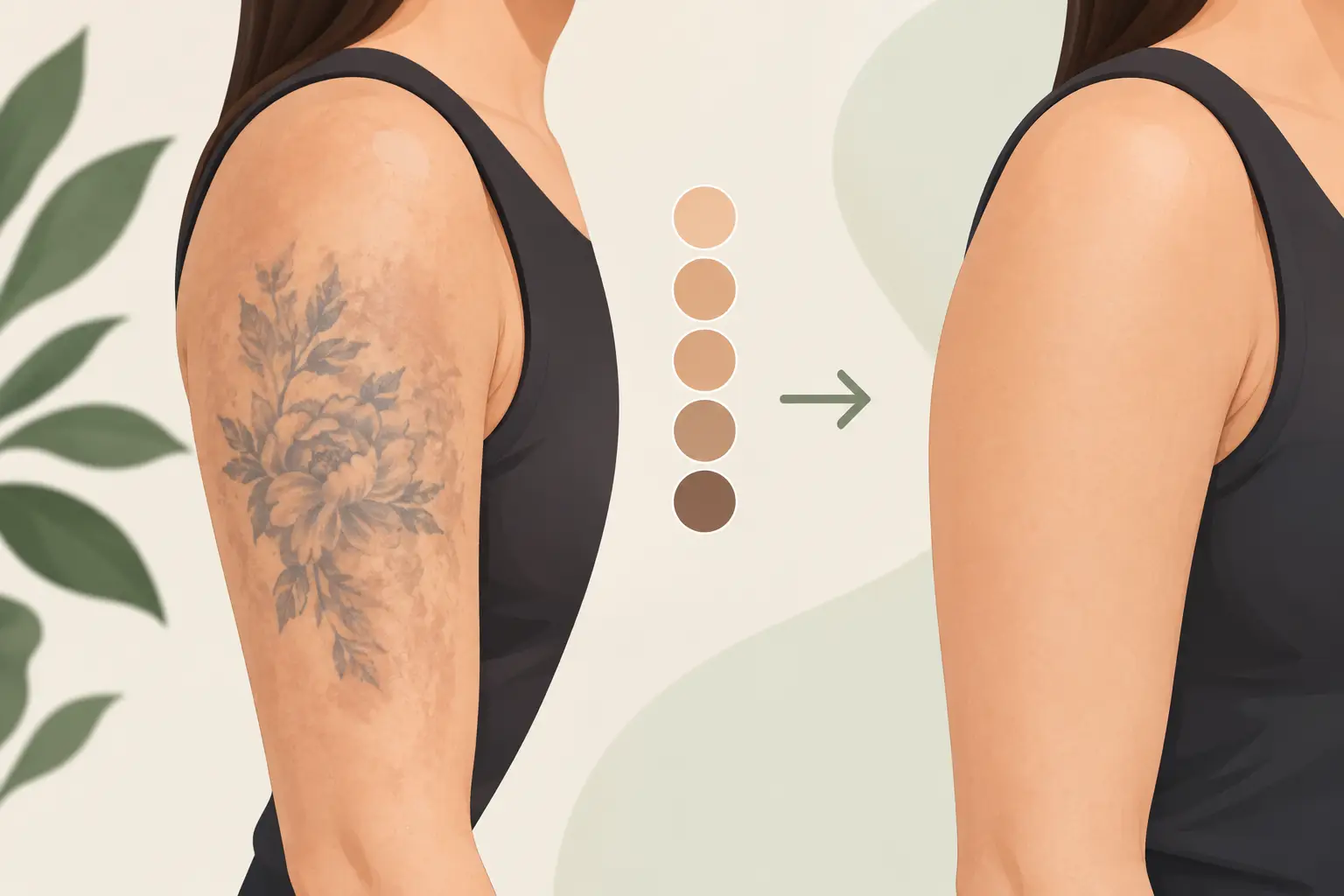
A tattoo does not need to be large or poorly executed to become distracting. A once-black design can heal blue, gray, green, or violet. A cosmetic tattoo can shift warm, cool, or ashy against the skin. And when the surrounding skin changes from sun exposure, scarring, or pigment irregularity, the contrast can make the area feel impossible to ignore. Thoughtful tattoo discoloration coverage addresses that contrast with custom color strategy, not a one-size-fits-all cover-up.
At MicroArt, the objective is not to place more obvious pigment over an existing concern. It is to create a refined visual correction that is believable at conversational distance, in daylight, and without makeup.
What tattoo discoloration coverage actually means
Tattoo discoloration coverage is a form of cosmetic camouflage used to reduce the visibility of unwanted tattoo tones or the uneven color surrounding a tattooed area. It may involve neutralizing a shifted pigment, softening the edge between ink and skin, or carefully layering custom-blended color to improve how the area reads overall.
This is different from tattoo removal. Removal aims to break down existing ink over a series of treatments. Cosmetic camouflage works with color theory and precise pigment placement to make visible discoloration less noticeable. For the right candidate, it can be a more direct answer to a concern that does not require the tattoo to disappear completely.
It is also different from simply tattooing skin-tone pigment over dark ink. Skin is not one flat shade. It contains warmth, coolness, translucency, natural variation, and changes in color from one area of the body to another. A convincing correction must account for all of it.
Why tattoo ink changes color over time
Tattoo discoloration can develop for several reasons. Certain pigments fade unevenly, leaving behind cool blue or green undertones. Black ink may soften to charcoal or gray. Warm pigments can become orange, red, or pink as components of the original formula fade at different rates.
Placement matters as well. Ink in thin or highly mobile skin may appear different from ink in denser skin. Sun exposure can change both the tattoo and the surrounding complexion, increasing contrast. Some tattoos also appear discolored because the skin itself has changed due to a scar, post-inflammatory pigment change, or a preexisting condition such as vitiligo.
The correction plan depends on the cause. A blue-gray tattoo requires a different approach than an orange brow tattoo, a pale scar crossing an old design, or a darkened patch of skin beside cosmetic ink. Treating every concern as a simple “cover-up” is where unnatural results begin.
The difference between correction and concealment
A skilled tattoo discoloration coverage procedure begins with analysis, not pigment selection. The specialist evaluates the current tattoo color, the skin’s undertone, the location, texture, age of the tattoo, and whether the area has fully healed and stabilized. These details determine whether camouflage is appropriate and what degree of improvement is realistic.
Color correction may be the first step when the existing ink carries a strong unwanted cast. In simplified terms, a corrective pigment can visually counterbalance an opposing tone before a closer-to-skin shade is introduced. But real skin correction is far more nuanced than using a color wheel. The pigment must heal in harmony with the client’s skin, not merely look correct in the treatment room.
Concealment is the next consideration. If the goal is to reduce contrast between a tattoo and surrounding skin, custom pigment may be applied in controlled layers. This technique requires restraint. Overloading pigment in an effort to hide everything at once can create a dense, opaque patch that reads more noticeably than the original issue.
Why custom pigment matching matters
A beige pigment is not automatically a match for beige skin. Underlying undertones can be rosy, golden, olive, neutral, or deep and richly warm. Even within a small treatment area, skin can vary considerably. The pigment must be selected for the client’s actual complexion, the existing tattoo tone, and how the color is expected to settle over time.
This is particularly important for darker skin tones, where an inaccurate correction can look gray, chalky, or flat. It also matters for clients with tanning patterns, melasma, freckles, or skin that changes visibly between seasons. The most elegant result is not a perfectly uniform patch. It is a correction that respects the character of the surrounding skin.
MicroArt uses custom-blended mineral-based pigments and proprietary precision technology to pursue that level of refinement. The approach is designed for subtle, natural-looking enhancement rather than the harsh color shifts and obvious saturation associated with many traditional permanent makeup techniques.
When tattoo discoloration coverage is a strong option
Cosmetic camouflage can be especially useful when a tattoo is healed, stable, and visually bothersome but does not need complete removal. It may suit clients who want to soften a small area of unwanted color, improve the appearance of a faded cosmetic tattoo, reduce contrast around a scar, or make a prior tattoo correction less conspicuous.
The best candidates are realistic about what camouflage can accomplish. Coverage can reduce visibility and create a more balanced appearance, but it cannot reproduce every detail of natural skin in every lighting condition. It also cannot reliably conceal very dark, heavily saturated ink with a single light pigment. In those cases, lightening treatments, a different design solution, or a combination approach may be more appropriate.
Timing is equally important. Fresh tattoos, recently treated scars, active irritation, and unstable skin conditions should not be rushed into a cosmetic camouflage procedure. The area needs to be fully healed, calm, and assessed individually before any pigment is placed.
What a premium correction process should include
The quality of the consultation often predicts the quality of the result. A proper evaluation should include clear photographs in natural light, a discussion of the tattoo’s history, a review of the client’s desired level of coverage, and an honest assessment of limitations.
A specialist should also consider texture. Pigment can improve the appearance of color, but it cannot flatten raised scar tissue or erase textural changes. When skin is uneven, the treatment plan must focus on reducing color contrast rather than promising an unrealistic surface transformation.
During the procedure, controlled placement and conservative layering matter. A semi-permanent cosmetic camouflage method may be preferable for clients who value flexibility, since skin tone, lifestyle, and aesthetic preferences can evolve. No-downtime protocols can also be appealing for clients who do not want visible scabbing, bruising, or an extended recovery period.
Protecting a camouflage result
Aftercare has a direct effect on how any pigment correction settles. Follow the clinic’s individualized instructions, avoid picking or friction, and protect the area from unnecessary sun exposure once it has healed. UV exposure can alter both natural skin pigment and tattoo ink, making contrast return more quickly.
Maintenance is not a failure of the procedure. Semi-permanent cosmetic pigment is designed to soften gradually, and the surrounding skin continues to change with age, sun, skincare, and seasonal color shifts. A thoughtful maintenance plan allows the correction to stay balanced instead of becoming overworked.
Choose a result that does not announce itself
The most successful tattoo correction is rarely the one that looks most dramatic immediately after treatment. It is the one that makes the area feel quieter, more balanced, and less demanding of attention over time. If a tattoo or surrounding discoloration has become a daily frustration, a private consultation can clarify whether custom camouflage, color correction, or another treatment path offers the most natural next step.