
A brow that sits too high, fades to an unwanted tone, looks uneven in photos, or disappears at the tail can change the balance of the entire face. The best options for eyebrow correction depend on what needs correcting: sparse hair, a shape issue, a previous cosmetic tattoo, pigment discoloration, or skin changes that make brows difficult to define.
The right answer is rarely a one-size-fits-all brow trend. A correction should respect your bone structure, natural hair pattern, skin type, lifestyle, and the condition of any existing pigment. For clients who expect a refined result, the goal is not a dramatic new brow. It is a believable brow that appears to have always belonged to you.
Start With the Type of Eyebrow Correction You Need
Before choosing a treatment, identify the actual problem. A brow can appear asymmetrical because of facial muscle movement rather than poor shaping. It can look thin because hairs are missing, because the pigment has faded, or because the tail was overplucked years ago. A gray, red, blue, or orange cast from prior permanent makeup is a pigment-correction issue, not simply a shape issue.
This distinction matters. Adding pigment over an old tattoo without evaluating its depth, density, and undertone can make correction more difficult. Likewise, aggressively waxing or threading an eyebrow that only needs subtle definition may remove the very hair that gives it realism.
A professional consultation should assess natural brow hair, skin texture, facial symmetry at rest and in motion, previous procedures, and your daily makeup habits. The strongest treatment plans begin with restraint. More pigment, more arch, or darker color is not automatically a better correction.
Temporary Brow Correction for Small Changes
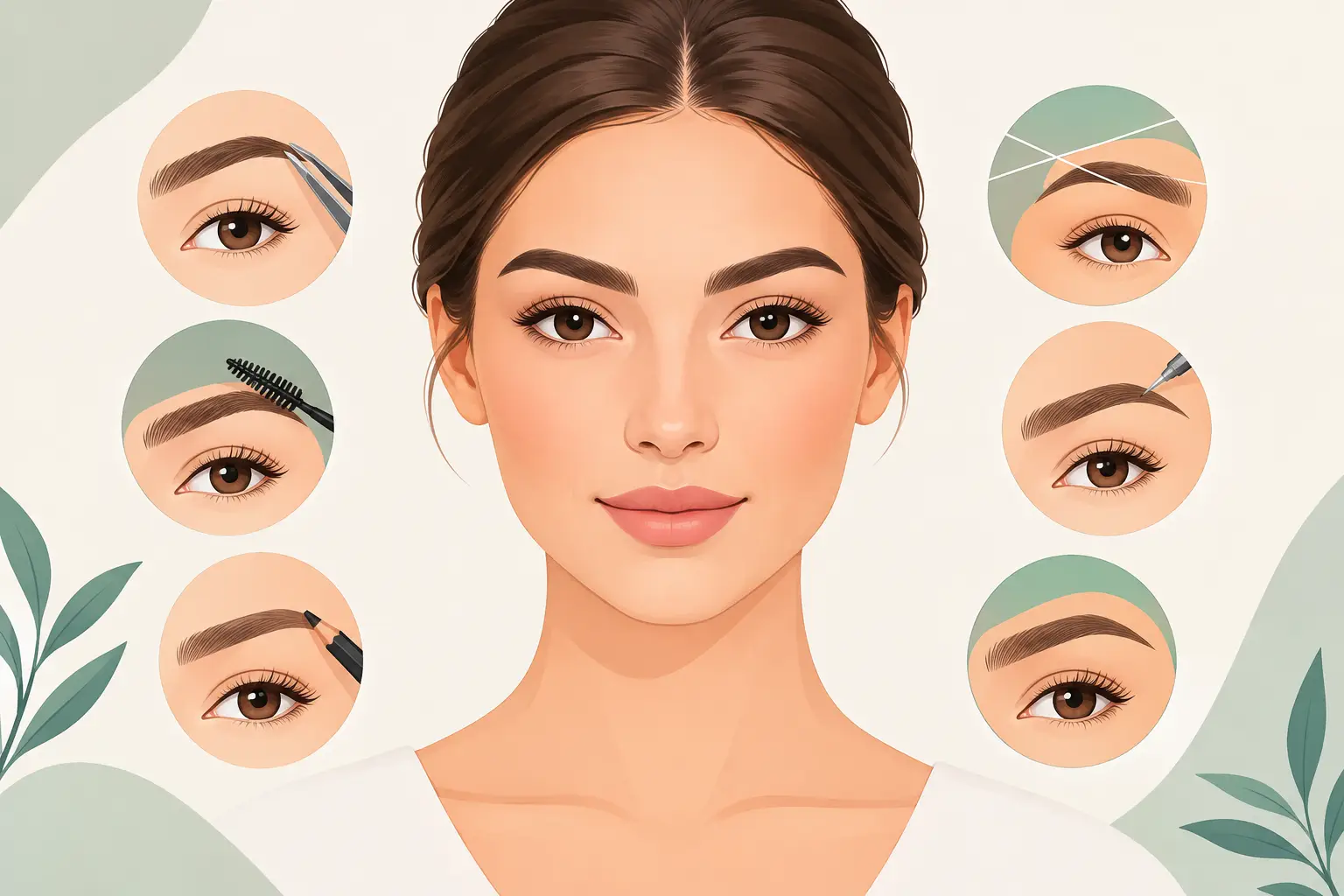
If the concern is minor or you are testing a different shape, conventional brow makeup remains useful. A fine pencil can extend a tail, while a tinted gel can add density and keep existing hairs directed. Powder formulas soften patchy areas without the crispness that can make a brow look drawn on.
Temporary makeup is also a sensible trial before a longer-lasting procedure. Wear the proposed shape for several days in daylight, office lighting, and photographs. What looks balanced at a makeup counter can feel too bold in everyday life.
Professional shaping, tinting, or brow lamination can be effective when you have adequate hair but lack definition. These services do not replace missing follicles or neutralize old tattoo pigment, but they can make a full natural brow appear more polished. The trade-off is maintenance. Results are short-lived, and overprocessing can leave fine brow hair dry or less cooperative.
When Hair Loss Is the Main Concern
Sparse brows may be linked to overplucking, aging, alopecia, hormonal changes, medication, or skin conditions. If hair loss is new, sudden, or accompanied by irritation, a medical evaluation should come before a cosmetic solution. The cause may influence what will look natural and what is appropriate for the skin.
For stable, healthy skin, cosmetic tattooing can recreate the appearance of brow fullness where hair no longer grows. This is especially valuable for clients who spend time each morning trying to make one brow match the other. The quality of the result comes down to design, pigment selection, and placement. A flat block of color may cover an empty area, but it rarely creates the soft dimension associated with a natural eyebrow.
Hair transplant procedures may be an option for select candidates who want actual brow hair. They require a surgical approach, careful hair direction, and ongoing trimming because transplanted scalp hair continues to grow differently from eyebrow hair. It is a more involved commitment than most clients expect, but it may suit someone with extensive, stable hair loss who wants physical hair rather than cosmetic definition.
Best Options for Eyebrow Correction After Old Tattooing
Previous permanent makeup requires a different level of planning. Common concerns include brows that have become too dark, too warm, too cool, overly saturated, asymmetrical, or stylistically dated. Correction is possible, but the existing pigment sets the starting point.
Color correction before new design
Old pigment can shift as it fades. A brown brow may reveal red, orange, gray, blue, or purple undertones depending on the original formulation, implantation depth, skin chemistry, and time. Applying a standard brown over that color can produce an unpredictable result.
A skilled correction process may first neutralize the visible undertone, then rebuild the desired brow color in carefully controlled stages. This approach favors a more natural result over a rushed cover-up. It may take more than one session, particularly when prior work is dense or deeply implanted.
Removal or lightening when the canvas is too saturated
When an existing tattoo is very dark, misplaced, or heavily layered, lightening may be the most responsible first step. Depending on the pigment and skin, options can include saline-based lightening or laser removal performed by an appropriately qualified provider. Neither should be treated casually. The objective is to create enough visual space for a better correction, not to force the skin through unnecessary trauma.
There is a practical trade-off: removal can extend the overall timeline, while covering an unsuitable base may compromise the final color and shape. Patients who prioritize an undetectable result generally benefit from choosing the longer, more controlled route.
Why Technique Changes the Result
Traditional microblading uses manual blades to create hair-like strokes. On the right skin and with a light hand, it can initially look delicate. Yet it is not ideal for every client. Oily skin, mature skin, scar tissue, and previously tattooed brows can cause strokes to blur, heal inconsistently, or merge into a shaded appearance over time.
Conventional permanent makeup may offer more coverage, but older techniques and unsuitable pigments can create harsh borders or unwanted color shifts. This is why the label of a procedure matters less than the method, equipment, pigment system, and expertise behind it.
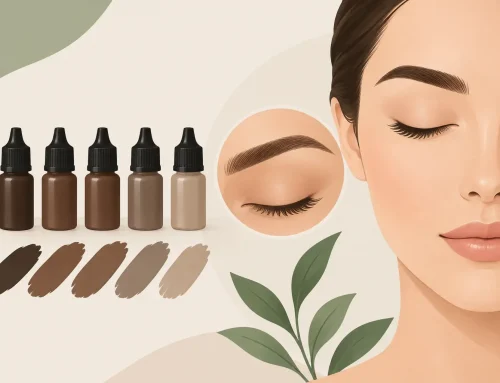
Advanced semi-permanent brow techniques use precise equipment and custom pigment selection to build soft, layered definition. At MicroArt, the focus is on a proprietary approach designed to avoid the heavy, stamped-on appearance associated with traditional brow tattooing. Mineral-based pigments can be tailored to the client’s natural hair color, skin tone, and desired level of visibility, including for men and for darker skin tones where undertone assessment is essential.
The desired finish should look refined from conversational distance, not merely impressive under a ring light. That means a softened front, an arch placed for your features rather than a trend, and a tail that provides lift without looking sharp or overextended.
What a High-Level Correction Plan Should Include
A premium correction is a design process, not an appointment rushed into pigment. The provider should discuss what can realistically be changed and what may need to be softened rather than erased. Perfect symmetry is not a realistic facial standard, because faces naturally move differently from one side to the other. The aim is visual balance.
Expect careful measurements, customized color planning, and a conversation about how much makeup you normally wear. A client who prefers nearly bare skin may need a different brow intensity than someone who wears a polished full face daily. Photos of your brows before overplucking, if available, can be helpful reference material.
Healing expectations also deserve direct discussion. Skin response varies, and color can appear stronger immediately before settling. Choose a provider who gives clear aftercare instructions and does not promise identical outcomes across every skin type. Expertise includes knowing when to proceed conservatively.
Choosing Between Convenience and Commitment
The least invasive options, such as pencils, gels, tinting, and shaping, offer flexibility but require regular upkeep. Semi-permanent techniques reduce the daily effort and can correct concerns that makeup cannot fully disguise, but they demand greater care in provider selection. Removal and transplant options can address specific situations, though both involve more time, cost, and recovery considerations.
The best choice is the one that solves your actual concern without creating a new one. If you are correcting old work, do not let urgency push you into another layer of pigment before the existing brow has been properly evaluated. If you are restoring sparse brows, prioritize softness and facial harmony over a dramatic transformation. A beautifully corrected brow should give you back time, confidence, and the freedom to look in the mirror without noticing your eyebrows first.