
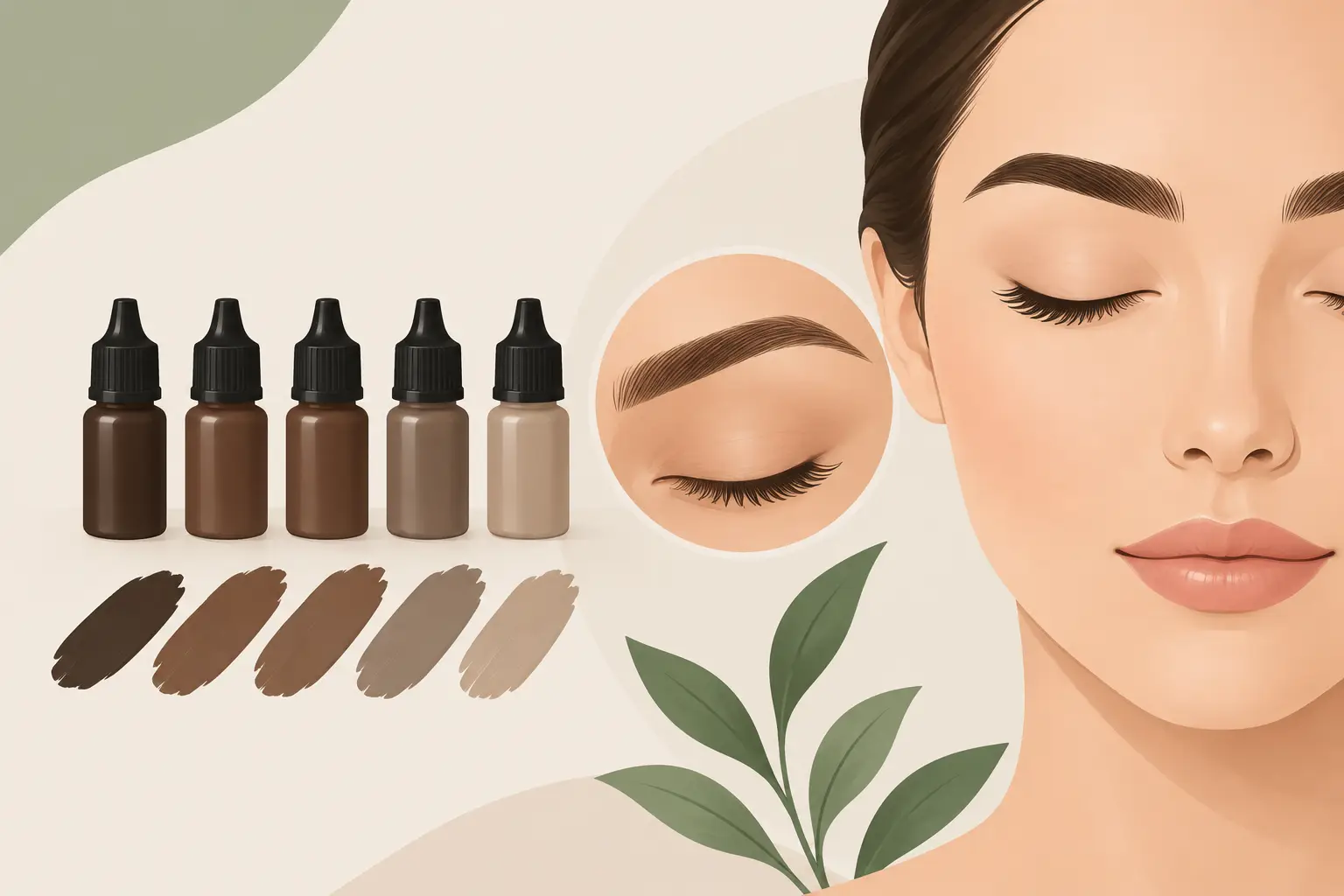
A brow can be perfectly shaped and still look wrong if the color is even slightly off. Too warm, and it may heal orange or red. Too cool, and it can appear ashy, gray, or flat against the skin. Expert brow pigment selection is what separates a soft, believable enhancement from brows that announce themselves before you do.
For a result that looks like naturally fuller, more balanced brows, pigment cannot be chosen from a chart alone. It must be custom blended for the individual client, considering the skin, existing hair, lifestyle, procedure history, and how the pigment is expected to settle over time.
Why Brow Pigment Selection Is a Clinical Decision
Many clients arrive with a simple request: “I want a medium brown.” In cosmetic tattooing, that description is only a starting point. Medium brown can look completely different on cool porcelain skin, olive skin, richly melanated skin, mature skin, or skin with residual pigment from a previous procedure.
The visible result is created by an interaction between pigment and skin. The chosen color is influenced by the client’s natural brow hair, their facial contrast, the warmth or coolness in their complexion, and the way their skin retains color. A shade that looks ideal in a pigment cup may shift once it is implanted and healed.
This is why selecting the darkest color available is rarely the answer for sparse brows. Density and definition can be created through precise placement and layered tonal variation. Over-darkening the pigment can make even an expertly shaped brow look heavy, especially as the skin changes over the years.
At MicroArt, custom-blended mineral-based pigments are selected to support a refined, skin-like finish rather than the dense, solid appearance associated with traditional tattooed brows.
The Factors That Determine the Right Brow Color
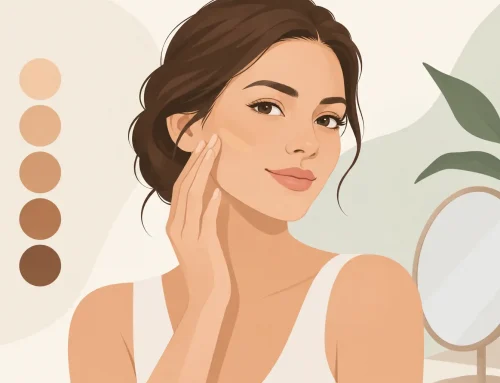
Skin undertone matters more than surface color
A client may describe their complexion as fair, tan, or deep, but those labels do not reveal the full color story. Undertones are the more meaningful consideration. Skin may lean warm, cool, neutral, olive, golden, or red-pink, and it may have more than one characteristic at once.
Warm undertones often need a pigment formula that remains balanced without becoming overly red as it heals. Cooler complexions may require carefully controlled warmth to avoid an ashy cast. Olive skin can be particularly nuanced because it can mute or alter certain shades in unexpected ways. The goal is not to match the skin exactly. It is to select a brow tone that belongs naturally on the face.
Natural brow hair provides a valuable reference
Existing brow hair is one of the most useful guides, but it is not a formula to copy without adjustment. Brow hairs often contain a mix of tones: soft brown, taupe, golden brown, charcoal, or gray. Hair also reflects light differently than implanted pigment.
For clients with salt-and-pepper or gray brow hair, a pure gray pigment may not be the best choice. In many cases, a soft neutral brown with the right level of depth creates a more youthful, dimensional result. For clients who color their hair, the brow should usually support the face rather than chase every salon color change.
Skin type changes how pigment settles
Oily skin, dry skin, mature skin, and highly active skin do not behave identically. Oilier skin may soften the appearance of implanted pigment more quickly, making overly delicate shades less visible after healing. Dry or mature skin may hold color differently and can show a more defined result if the design is too saturated.
This does not mean one skin type is better than another. It means the pigment plan and application method must be adjusted. A specialist considers retention alongside color, so the healed brow has the right degree of presence without looking artificial.
Previous permanent makeup changes the equation
Corrective brow work demands a different level of pigment expertise. Residual red, blue-gray, purple, green, or orange tones beneath the skin cannot simply be covered with a darker brown. Adding depth without addressing the underlying color can create a muddier or more obvious result.
In these cases, color correction may be needed before a natural-looking target shade can be achieved. The safest recommendation may be to lighten or neutralize old work first, depending on the depth, saturation, age, and condition of the existing pigment. A responsible provider will not promise an instant cover-up when the skin requires a staged approach.
Brow Pigment Selection Must Account for Healing
Fresh pigment is not the final color. Immediately after a procedure, brows may appear richer, warmer, or more defined than their healed result. As the skin recovers and the pigment settles, the appearance softens.
That healing process is precisely why a specialist plans beyond the appointment day. Choosing a shade only for how it looks fresh can lead to brows that fade too light, heal too cool, or carry too much warmth several weeks later. The intended healed result should guide every pigment decision.
A client’s aftercare also affects color retention. Sun exposure, certain active skincare ingredients, exfoliation, and individual skin turnover can all influence how long pigment remains visible. No semi-permanent brow treatment is entirely maintenance-free, and promises of permanently unchanged color should be treated with caution. Beautiful brows are designed for long-term refinement, not a one-time, forever result.
Why “Matching” Is Not Always the Goal
The most natural brow color is not always a literal match to the hair on the head. A client with very dark hair may benefit from brows that are one or two degrees softer, especially if their natural brow hair is lighter. This creates a polished frame for the eyes without producing a severe expression.
Likewise, very light-haired clients do not necessarily need pale brows. A carefully selected soft taupe or neutral blonde-brown can add structure that remains understated. The right pigment creates contrast in proportion to the face, not contrast for its own sake.
For men, brow pigment selection is often focused on restoring balance while avoiding any visible makeup effect. The color must integrate with natural hair growth, skin texture, and the client’s overall grooming style. The best outcome is usually undetectable: more complete brows, with no obvious sign of cosmetic tattooing.
The Difference Between a Shade Chart and Custom Blending
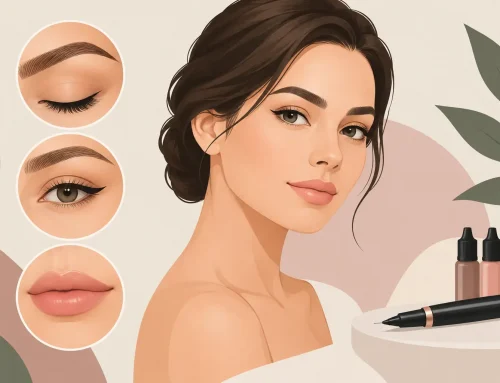
Pre-mixed shades can be useful references, but they cannot replace a tailored pigment strategy. Custom blending allows the provider to control warmth, depth, and neutrality with greater precision. It is especially valuable for clients with complex undertones, uneven brow hair color, darker skin tones, prior pigment, or corrective concerns.
A sophisticated blend may look unremarkable before application because it is built to work beneath the skin, not simply to look attractive on a palette. This distinction matters. Cosmetic tattooing is not traditional makeup. The pigment becomes part of the visual relationship between skin, light, hair, and facial structure.
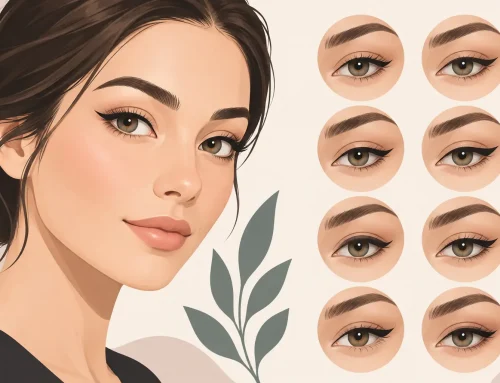
The procedure technique must support the color plan as well. A diffused, hair-like application can make a slightly deeper pigment look soft and natural, while the same pigment in a dense block may look too strong. Color, placement, and saturation should always be designed together.
Questions to Ask Before Choosing Brow Pigment
A thoughtful consultation should feel specific to you, not like a quick selection from a swatch book. Ask how your skin undertone, existing pigment, skin type, and natural brow hair affect the recommended formula. Ask what the color is expected to look like when healed, not just when fresh. If you have had prior permanent makeup, ask whether correction or removal should come before additional pigment.
You should also be shown a shape and color direction that fits your actual features and goals. Bring reference photos if they help communicate what you like, but allow room for professional judgment. A photo taken under filtered lighting or on a different skin tone may not translate into the right pigment plan for you.
The most successful brow enhancement does not depend on choosing the boldest shade or following a trend. It comes from a color decision made with restraint, technical knowledge, and respect for how your skin will carry the result. When brow pigment selection is done at this level, the mirror reflects what clients are truly seeking: brows that look like they were always meant to be there.