
The most influential semi permanent makeup trends are not about bolder brows or more obvious lip color. They are about the opposite: results so refined that people notice rested eyes, balanced features, healthier-looking skin, and more confidence – without immediately identifying a cosmetic tattoo. For clients who expect precision and discretion, that distinction changes everything.
Beauty treatments have moved beyond the era of one-size-fits-all brow templates and heavily outlined lips. The modern standard is personalization: custom pigment, skin-aware technique, careful placement, and a result that works in daylight, on camera, and after the initial appointment has settled. That is especially meaningful for anyone correcting an earlier procedure, navigating skin changes, or seeking cosmetic camouflage rather than a conventional makeup look.
Semi Permanent Makeup Trends Are Becoming More Invisible
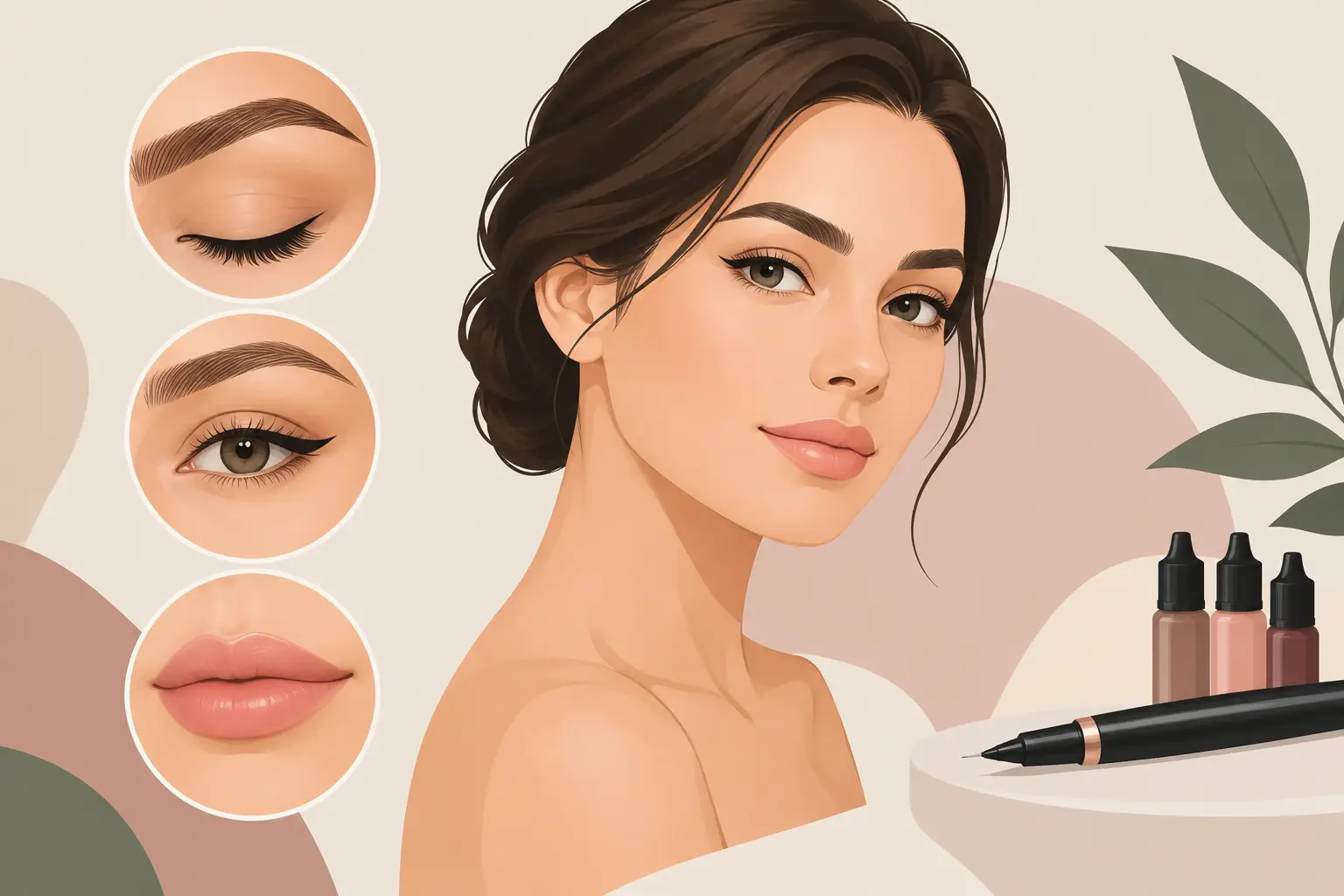
The most requested aesthetic is often called the no-makeup makeup effect, but achieving it requires considerable technical control. Rather than creating a fixed, highly defined feature, advanced semi-permanent makeup should support the client’s existing coloring, bone structure, hair pattern, and daily routine.
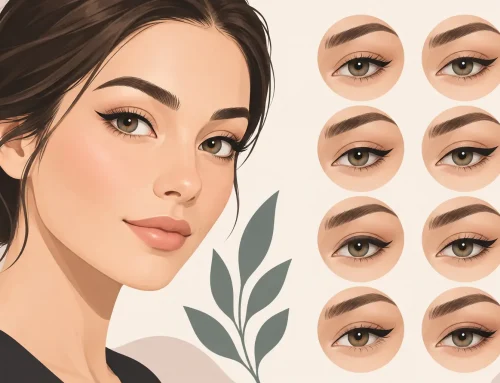
For eyebrows, this means moving away from saturated blocks of color and overly crisp strokes that can look disconnected from natural hair. Soft density, tailored arches, and delicate shading can create the appearance of fuller brows without announcing the procedure. The right approach depends on the skin, too. A technique that photographs beautifully on dry skin may not wear the same way on oily, mature, or textured skin.
Lip enhancement is following a similarly restrained direction. Clients are increasingly asking for a more even lip tone, softened borders, and the appearance of healthy definition rather than a visible lipstick line. The objective is not to replace every lipstick in a makeup bag. It is to make the lips look polished when the face is bare, while allowing a client’s preferred lip products to layer naturally over the result.
Eyeliner is becoming more subtle as well. A fine lash-line enhancement can give the eyes definition without the weight of a dramatic wing. For many professionals, frequent travelers, and clients with sensitivities to daily eye makeup, this is a practical luxury: a consistently groomed appearance with far less time spent at the mirror.
Custom Pigment Has Replaced Trend-Driven Color
A color that looks beautiful in a social media image is not automatically right for every complexion. One of the most meaningful shifts in semi-permanent makeup is the expectation of custom-blended pigment based on undertone, natural feature color, skin depth, and the desired healed result.
This matters because pigment does not remain visually static. It interacts with the skin as it heals and fades. Experienced practitioners evaluate whether a client has cool, warm, olive, neutral, or complex undertones, then select and blend shades with long-term appearance in mind. The goal is dimensional, believable color rather than a flat, generic result.
This evolution is especially significant for darker skin tones. Historically, many cosmetic tattoo services were designed around limited pigment assumptions and a narrow range of skin types. Sophisticated treatment planning recognizes that deeper complexions deserve the same degree of nuance, with color selection and technique adjusted for the individual rather than treated as an afterthought.
Clients should be cautious of anyone promising an identical shade or result for every face. Precision is not a preset. It is a process of assessment, artistry, and controlled application.
Corrective Work Is Now a Major Category
The growth of correction is one of the clearest semi permanent makeup trends. Many clients arrive not because they want a more dramatic look, but because an old treatment has faded unevenly, shifted in tone, or no longer reflects their features. Others have had microblading that looked appealing initially but did not age as expected.
Correction requires a different level of judgment than a first-time enhancement. The practitioner must assess existing pigment, depth, scar tissue, skin condition, and the realistic options available. In some cases, it may be possible to soften, balance, or camouflage the work. In others, removal or a staged approach may be more appropriate before any new pigment is placed.
The premium trend here is not the promise of an instant fix. It is honest planning. A reputable specialist explains what can be improved, what may remain visible, and why patience may be required. That conversation protects both the client and the quality of the final result.
Cosmetic Camouflage Is Receiving the Recognition It Deserves
Semi-permanent artistry is expanding well beyond brows, lips, and eyes. Cosmetic camouflage for scars, vitiligo, birthmarks, areola restoration, alopecia, and unwanted tattoo visibility is increasingly sought by clients who want options that feel highly personal and discreet.
Unlike decorative cosmetic tattooing, camouflage work must account for the unpredictable character of skin irregularities. A scar may have a different texture, circulation, and pigment response than surrounding skin. Vitiligo can change over time. Areola reconstruction requires careful attention to anatomy, symmetry, and color. These treatments call for specialized consultation and realistic expectations, not a standard beauty-service approach.
The emotional value can be profound. A subtle correction may help someone feel comfortable in a swimsuit, a fitted shirt, a close-up photograph, or simply their own reflection. The best outcomes do not erase a person’s story. They give that person more control over how visible the story feels.
Technology and Technique Are Raising Expectations
Clients are more educated about the difference between conventional permanent makeup and modern, semi-permanent methods. They ask about pigment composition, equipment, depth, healing, maintenance, and whether a treatment can be adjusted as their style changes.
That is a welcome shift. A beautiful result depends on more than the handpiece or the pigment alone. It comes from how precisely the technique is performed, how the skin is evaluated, and how the practitioner responds to individual variables during treatment. Advanced precision equipment and mineral-based pigments can support a softer, more controlled effect when paired with expert training and a proven method.
No-downtime treatment is also becoming a priority for luxury clients who cannot disappear from work, social commitments, or travel plans. Still, no downtime should never mean no aftercare. Even gentle procedures require clients to follow instructions, protect the treated area, and allow the skin to settle. Anyone promising that results will never require maintenance, evolve, or fade over time is oversimplifying a biological process.
Men Are Choosing Undetectable Enhancement
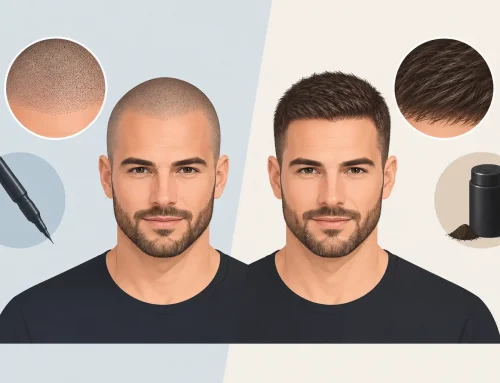
Men are increasingly seeking refined solutions for thinning brows, sparse beard areas, scalp shading, scars, and uneven skin tone. The preference is clear: no obvious makeup effect, no dramatic transformation, and no look that requires explanation.
For scalp shading, the artistry lies in recreating the visual impression of density while respecting the natural hairline and existing pattern of hair loss. An aggressive hairline can be as distracting as an unnatural brow. The most successful work is calibrated to age, skin tone, lifestyle, and the client’s desired level of maintenance.
For men and women alike, discretion is no longer an optional feature. It is the standard clients expect.
What to Look for Before You Commit
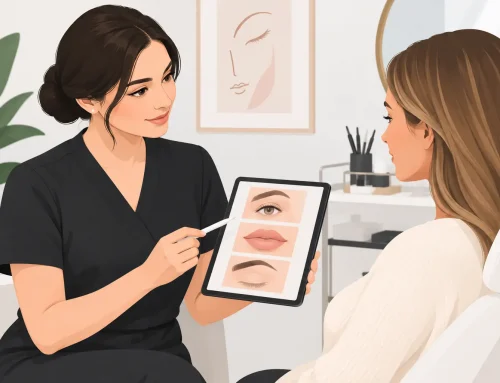
Trend awareness is useful, but the provider matters more than the trend. Review healed results, not only freshly completed photos. Ask how the practitioner evaluates your skin and undertones, what the maintenance plan may look like, and how they approach prior pigment or scar tissue. If you are seeking camouflage, ask specifically about experience with your concern rather than assuming all cosmetic tattoo artists offer the same expertise.
A thoughtful consultation should feel individualized, not rushed. It should include candid discussion about what is achievable and what may require more than one session. At MicroArt, the focus is on proprietary precision methods designed for exceptionally natural-looking enhancement and corrective artistry.
The strongest trend is ultimately a personal one: choosing work that still looks like you. Bring reference images if they help communicate your preferences, but let your own skin, features, and lifestyle lead the treatment plan. The right result should feel less like a trend you adopted and more like time you got back.