
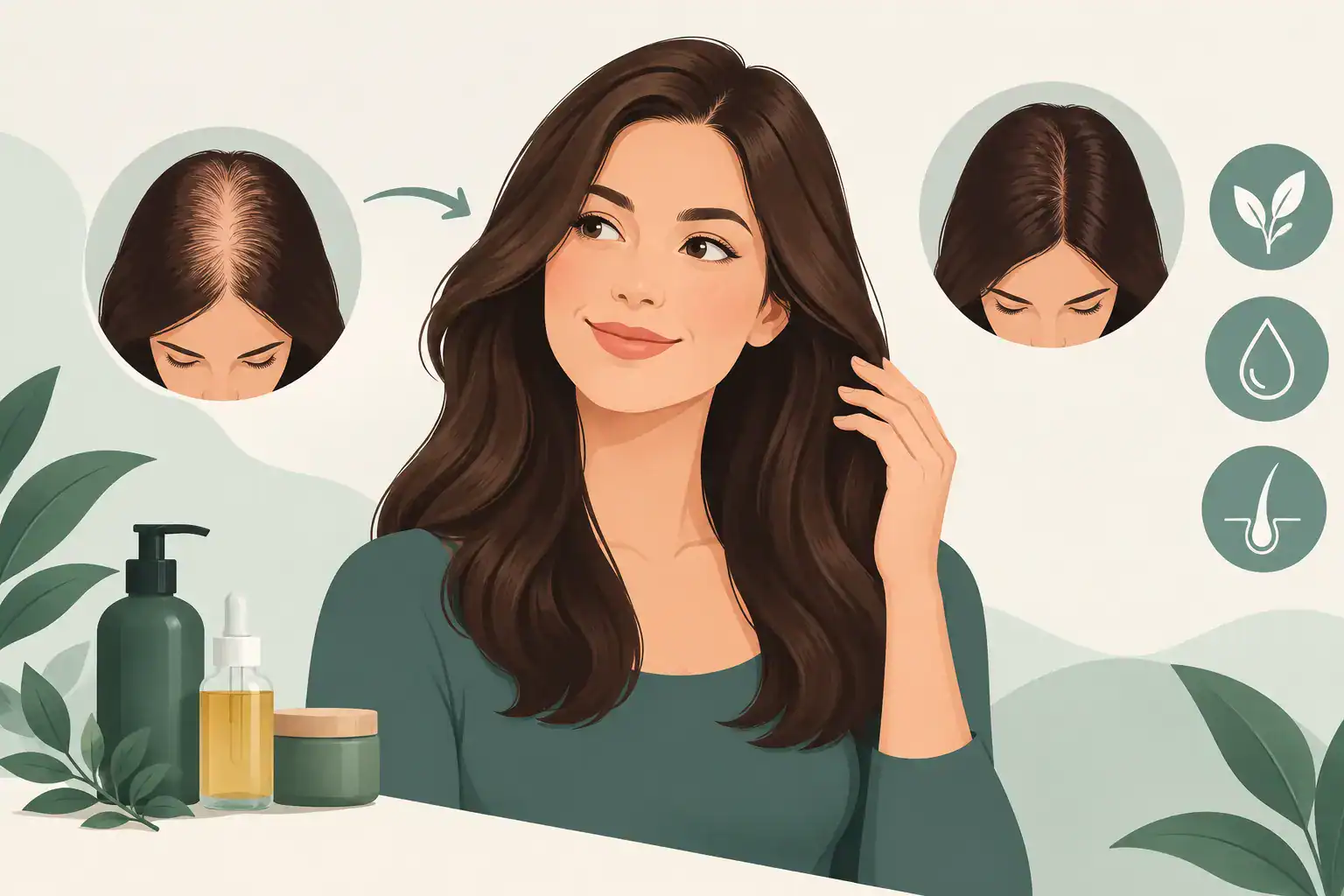
A widening part, a more visible crown, or a hairline that no longer frames the face the same way can change how you feel before you have even left the mirror. The best hair thinning solutions do not begin with a one-size-fits-all product or a dramatic promise. They begin with identifying what has changed, then choosing an approach that respects your health, lifestyle, and standard for a natural-looking result.
For some people, the priority is preserving existing hair. For others, it is restoring the appearance of density while they pursue medical care, or when regrowth is no longer realistic. A refined plan can address both the biology of thinning and the visual impact it creates.
Hair Thinning Solutions Start With the Cause
Hair thinning is a visible concern, but its causes are not always visible. Genetics are common in both men and women, yet hormones, stress, nutritional deficiencies, certain medications, thyroid concerns, autoimmune conditions, recent illness, and traction from tight styles may also play a role. Diffuse shedding after a major life event can require a very different response than gradual, pattern-based thinning at the temples or crown.
That distinction matters because cosmetic coverage cannot treat an underlying medical issue, and medical treatment may not immediately restore the appearance of fullness. If shedding is sudden, patchy, painful, accompanied by scalp irritation, or noticeably accelerating, start with a qualified medical professional or board-certified dermatologist. A careful evaluation can help rule out conditions that deserve treatment beyond aesthetics.
For gradual thinning, photographs taken in consistent lighting can be surprisingly useful. They show whether the concern is true progression, a change in haircut or color contrast, or simply a scalp that has become more visible under overhead lighting. This is also the point to define your actual goal: more density, a stronger hairline, less scalp contrast, or a solution that makes daily concealing products unnecessary.
Medical Options Can Protect What You Have
When hair follicles remain active, early intervention may help preserve or improve existing growth. Prescription and over-the-counter treatments are commonly considered for pattern hair loss, but the right option depends on the individual, their medical history, and their tolerance for ongoing maintenance. Results take time, and some treatments can cause side effects or an initial shedding phase, which is why professional guidance matters.
A dermatologist may discuss topical therapies, oral medications, hormone-related considerations, or treatment for an underlying deficiency or inflammatory scalp condition. Procedures such as platelet-rich plasma and low-level light therapy are also pursued by some patients. These approaches vary in evidence, cost, convenience, and predictability. They should be evaluated as part of a longer-term strategy rather than a quick fix.
Hair care still matters, although expensive shampoo alone will not reverse genetic thinning. Gentle handling, less traction, heat protection, and strategic color and cut choices can reduce breakage and make hair appear fuller. If extensions are part of your routine, the application method and weight deserve close attention. A fuller look is not a worthwhile trade if it places additional stress on fragile hair.
Surgical and Cosmetic Approaches Serve Different Goals
Hair transplantation can be an excellent option for the right candidate, particularly when there is stable hair loss and an adequate donor supply. It is a medical procedure with healing time, cost considerations, and results that develop gradually. It also does not stop future thinning in untreated areas, so a long-range plan is essential.
Non-surgical cosmetic options offer a different kind of value. Hair fibers, powders, sprays, and carefully styled cuts can camouflage mild thinning immediately. They are useful for occasional events or for testing how much density you want to see before committing to a procedure. Their limitation is practical: they can transfer, react to humidity or exercise, and become a daily task.
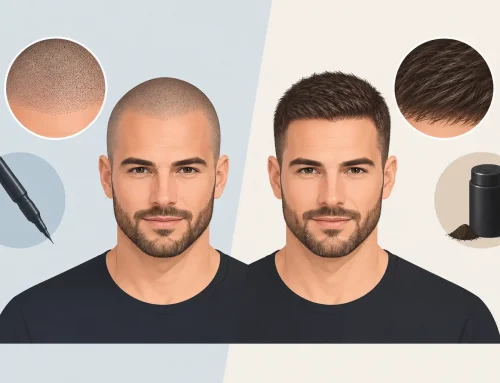
For clients who want a more consistent, undetectable appearance, scalp micropigmentation can be a sophisticated alternative. Rather than attempting to create hair, the procedure places carefully matched pigment impressions beneath existing hair to reduce the contrast between the scalp and the hair. The visual effect is greater density, a more defined hairline, or the look of a closely shaved head with natural follicle detail.
Scalp Micropigmentation for Visible Density
Scalp micropigmentation is often misunderstood as a standard tattoo. High-level work is substantially more nuanced. The pigment color, placement, density, and graduation at the hairline must be customized to skin tone, natural hair color, hair caliber, and the way thinning presents across the scalp. A dense, solid field of pigment can look artificial. A measured pattern with soft transitions can look remarkably believable in everyday light.
This approach is especially valuable for men with receding hairlines, women with diffuse thinning or widening parts, and clients with alopecia who want to reduce the visibility of exposed scalp. It may also complement a transplant by making the donor area or areas between transplanted grafts appear fuller. It does not regrow hair, and it is not a substitute for medical care when active scalp disease is present. Its purpose is camouflage with precision.
At MicroArt, proprietary scalp shading is designed around a highly customized, natural result rather than the flat, harsh effect associated with conventional cosmetic tattooing. The goal is never to announce that a procedure has been performed. The goal is to restore the balance between hair and scalp so the face, features, and personal style take center stage again.
What a Natural Result Requires
A premium result begins with restraint. An experienced specialist should assess your hairline at different angles, review old photographs when helpful, and account for how your hair may continue to change. For a client with active thinning, an overly aggressive hairline can become less convincing over time. A softer, age-appropriate design usually creates more flexibility.
Pigment selection is equally critical. The right shade is rarely pure black, even for dark hair. Skin undertones, follicle color, and the amount of existing density all affect the final visual impression. A tailored approach also matters for deeper skin tones, where contrast, pigment selection, and technique must be handled with particular expertise.
How to Choose Among Hair Thinning Solutions
The strongest plans are often layered. A person with early pattern thinning may use medical treatment to support existing hair while choosing strategic styling or scalp shading for immediate confidence. Someone with a stable, advanced recession may prefer a transplant, scalp micropigmentation, or a combination of both. The best path depends on your timeline, budget, willingness to maintain treatment, and the degree of change you want.
Before choosing any cosmetic procedure, look beyond a single before-and-after image. Ask whether results are shown in natural lighting, whether the hairline design suits the client’s age and pattern of loss, and whether the provider has experience with your skin tone and type of thinning. You should also understand the expected maintenance, healing guidance, and what can realistically be adjusted later.
Be cautious of guarantees that promise permanent density, instant regrowth, or identical results for everyone. Hair loss is personal, and exceptional aesthetic work is customized. The most convincing result is often the one that appears understated to everyone else and deeply meaningful to you.
A thoughtful consultation can turn an emotionally frustrating concern into a clear plan. Whether you are protecting the hair you have, considering restoration, or seeking expertly placed scalp camouflage, choose the option that makes you feel like yourself without asking you to compromise on natural appearance.