
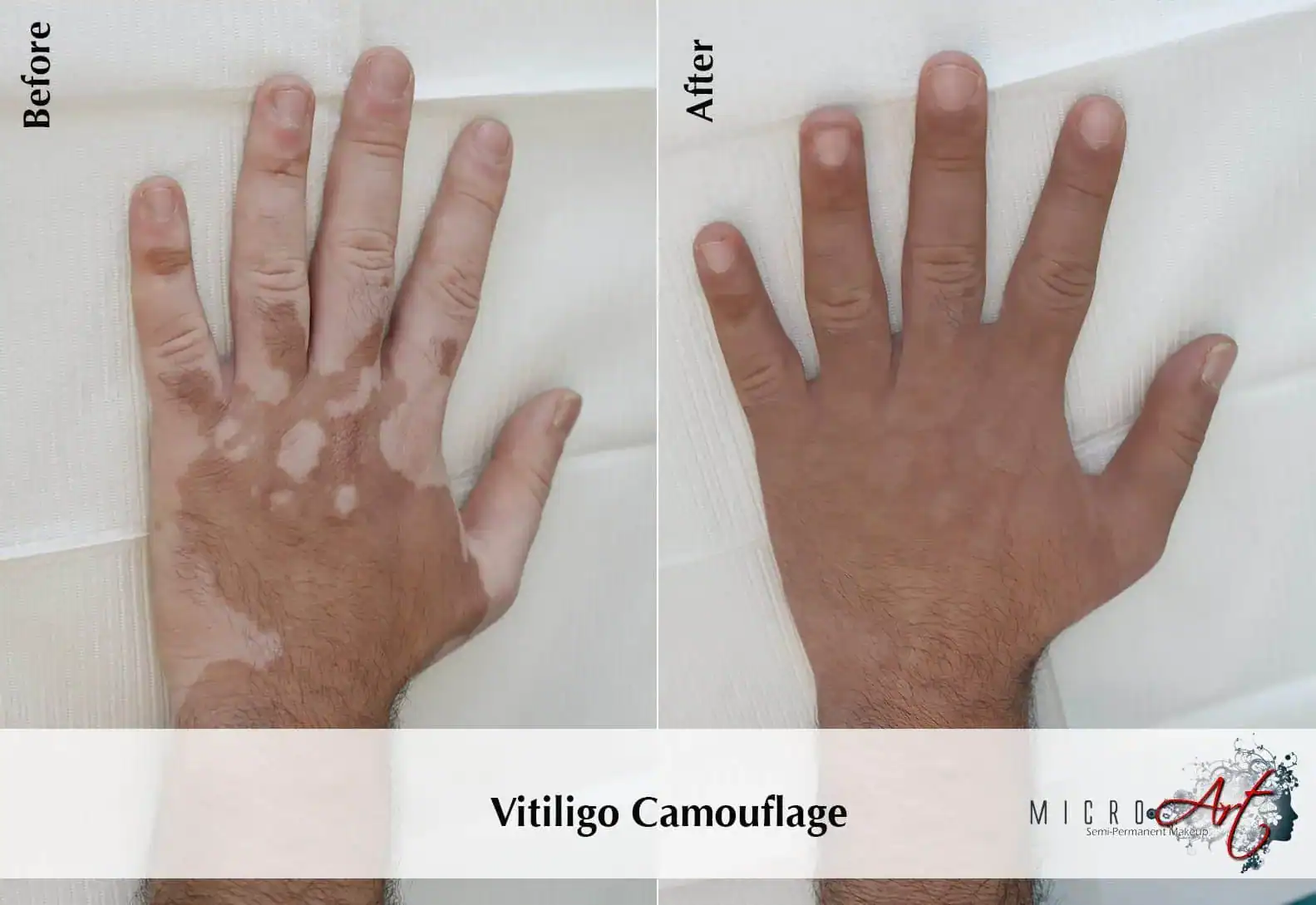
Vitiligo treatment decisions are personal, and micropigmentation may be one cosmetic option for people who want a more even-looking appearance in selected areas. The right approach depends on the pattern of depigmentation, skin characteristics, treatment goals, and an individual consultation. MicroArt uses a consultation-first process to discuss candidacy and realistic options.
Request a free consultation and candidacy assessment
What is vitiligo treatment with micropigmentation?
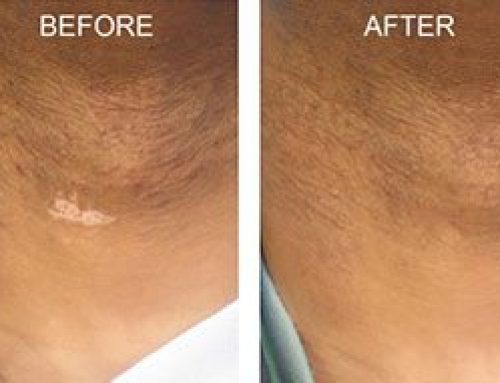
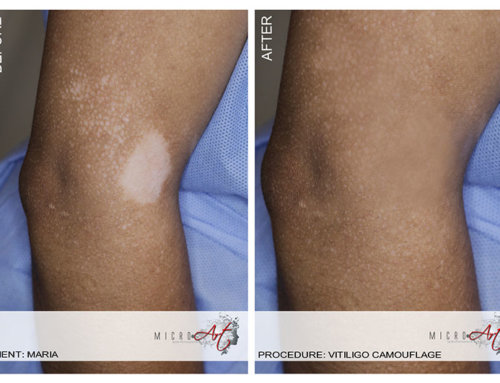
Vitiligo treatment with micropigmentation is a cosmetic process that places carefully selected pigment in the skin to help reduce the visible contrast between areas of depigmentation and the surrounding skin. It does not restore pigment-producing cells, cure vitiligo, or stop the condition from changing. A consultation is essential because a suitable plan depends on stable areas, color matching, the client’s goals, and the practitioner assessment.
MicroArt describes its approach as proprietary semi-permanent makeup and micropigmentation rather than traditional permanent makeup or microblading. The studio says its method uses custom equipment and custom-blended mineral-based pigments developed through work with electronic engineers and cosmetic biochemists. Those details describe the studio’s approach, not a guarantee of candidacy or a specific result.
Who may consider this approach?
People consider cosmetic vitiligo treatment for different reasons. Some want to feel more comfortable with the appearance of a visible area in everyday settings. Others want to explore an option after learning about medical care and deciding that a cosmetic approach may fit their goals. The decision should be based on an individualized assessment, not on a photo of another person’s result.
- Adults who want to discuss a more even-looking appearance in a specific area.
- Clients who understand that micropigmentation changes visual contrast rather than treating the underlying condition.
- People prepared to discuss whether their vitiligo has been stable enough for the practitioner to consider a cosmetic plan.
- Clients who want to review color, placement, session planning, and realistic variation before deciding.
- People who can provide relevant medical and treatment history so the studio can direct candidacy questions appropriately.
These points are conversation starters, not a candidacy checklist. A healthcare professional should address questions about vitiligo activity, diagnosis, treatment, and skin health. A MicroArt consultation can then focus on the cosmetic goals and whether the studio’s approach is appropriate to discuss for the area involved.
How does the consultation and color planning work?
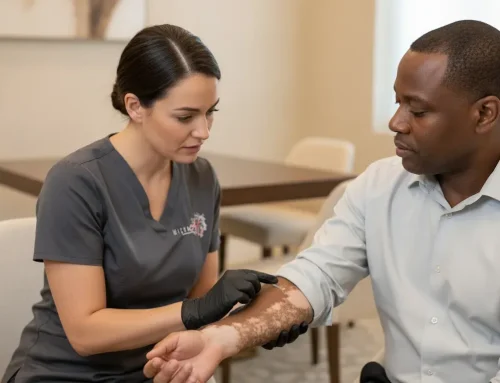
A useful vitiligo treatment consultation starts with the area the client wants to address and the result they hope to see. The practitioner can review the visible pattern, discuss the surrounding skin, and explain how a color plan may be developed. The goal is not to force a single shade onto every area. Skin tone, undertone, sun exposure, body location, and natural variation all matter.
MicroArt’s work is consultation-led in Beverly Hills, and the studio serves clients who travel for specialized procedures. If you are traveling, raise follow-up and scheduling questions before booking transportation. The studio can explain its own process, while a client’s medical provider remains the appropriate source for questions about vitiligo management and skin health.
Bring practical questions to the appointment. Ask how the proposed color will be selected, how the design will account for natural variation, how the studio evaluates a changing area, and what the plan would leave unchanged. If you have photographs from different periods, treatment records, or questions from your dermatologist, bring the information that may help the consultation stay specific.
| Consultation topic | Why it matters | Question to ask |
|---|---|---|
| Area and pattern | The visible pattern and location affect whether a cosmetic plan is appropriate to discuss. | What characteristics of my area should be assessed first? |
| Color planning | Skin tone, undertone, lighting, and natural variation affect how pigment may appear. | How will the proposed color be selected and reviewed? |
| Medical context | Micropigmentation is cosmetic and does not replace care for vitiligo or changing skin. | What should I discuss with my healthcare provider before deciding? |
| Sessions and follow-up | Individual plans vary, and medical or reconstructive work may require additional planning. | What sequence and follow-up would you discuss for my goals? |
For general background on vitiligo, the American Academy of Dermatology vitiligo overview is an independent educational resource. It is not a substitute for personal medical advice, and it does not determine whether cosmetic micropigmentation is appropriate for you.
What should you expect from sessions and follow-up?
Cosmetic procedures commonly involve an initial session and a later touch-up, but the number and timing of sessions vary by person and service. Medical and reconstructive work may require additional planning. MicroArt should explain the proposed sequence for your case during consultation rather than promising one schedule for everyone.
Ask what the appearance may look like while the skin settles, how aftercare will be explained, and when the studio wants a client to ask a question. It is also reasonable to ask how the studio discusses variation over time. Pigment appearance can be affected by skin, sun exposure, the treatment area, and individual healing. A consultation should make those variables clear before a client decides.
Micropigmentation is not the same as medical treatment for vitiligo. It does not create new melanocytes or prevent future areas from developing. If your skin is changing, irritated, or medically concerning, ask your healthcare provider what should happen before considering a cosmetic procedure. Clear separation between medical care and cosmetic appearance planning protects expectations and supports better decisions.
Contact MicroArt to discuss your goals and next consultation steps
What questions should you ask before choosing vitiligo treatment?
Before deciding, ask questions that connect the proposed procedure to your own skin, goals, and daily life. A strong consultation should answer what the procedure is intended to change, what it cannot change, how candidacy is assessed, and how the studio plans for follow-up.
- Is the area I want to address appropriate for a cosmetic consultation at this time?
- How will the proposed color be selected for my surrounding skin?
- What could make the result look different from a reference photograph?
- How many sessions might be discussed, and what determines the timing?
- What aftercare information will I receive?
- What should I do if the area changes or I have a medical concern?
- What information should I provide about previous treatments or skin history?
- What are the next steps if I decide that the approach is not right for me?
MicroArt was founded by Tanya York, whose background includes Hollywood special-effects makeup. The studio says its technique has been refined over more than 18 years and developed with a multidisciplinary team. Those credentials and the studio’s process can help a prospective client understand the brand, but they do not replace an individualized candidacy discussion. Readers who want more context can review the MicroArt team and the studio’s frequently asked questions.
Clients who are not ready to travel can first review the studio’s remote customer service information and prepare questions for a consultation. Remote information can help with planning, but candidacy and treatment decisions still require the appropriate individualized review.
How can you prepare for a vitiligo treatment consultation?
Preparation can make the consultation more useful without turning it into a test you have to pass. Start by writing down the area or areas you want to discuss and the visual change you hope to see. Use plain language. For example, you might want to reduce the contrast in one visible area, understand whether a changing area should be deferred, or learn how color planning would work. You do not need to arrive with a technical procedure term.
It is helpful to bring a short history of relevant skin and treatment information. Note whether the area has changed, any treatments you have tried, previous pigment work, and questions your dermatologist or other healthcare provider has asked you to consider. The studio can explain its cosmetic process, but a medical professional should guide diagnosis and medical management. If you are unsure whether a question is medical or cosmetic, bring it up so it can be directed to the right source.
- Describe the areas that concern you and when you first noticed the change.
- Bring reference photographs only as examples of preferences, not as promises of a matching outcome.
- Ask how lighting, sun exposure, skin tone, and natural variation may affect the appearance.
- Confirm the proposed session sequence, aftercare information, and follow-up plan.
- Ask what information the studio needs before it can discuss candidacy responsibly.
- Allow time to consider the information before deciding. A consultation should support an informed choice, not pressure you to proceed.
MicroArt’s vitiligo treatment page can help you review the studio’s stated service before an appointment. The page and this article should be read as educational information about the studio’s offering, not as a diagnosis or individualized medical recommendation.
Good questions also include the practical setting in which you want the area to look more even. Tell the practitioner whether your concern is most noticeable in daylight, photographs, work or social settings, or when you wear a particular type of clothing. That context does not determine treatment, but it can help clarify the visual goal. Ask to discuss how the proposed plan would look in ordinary conditions, not only in a carefully lit example photograph.
Frequently asked questions about vitiligo treatment
Can micropigmentation cure vitiligo?
No. Micropigmentation is a cosmetic approach that may change the appearance of selected areas. It does not cure vitiligo, restore pigment-producing cells, or stop the condition from changing. Discuss medical care with an appropriate healthcare professional.
Does everyone with vitiligo qualify?
No. Candidacy varies. The area, skin condition, stability, treatment history, goals, and other individual factors should be discussed during an assessment. A consultation is not a promise that treatment will be recommended.
Can the pigment match my skin exactly?
Color planning is individualized, but no responsible consultation should promise a perfect match for every person or every area. Skin tone, undertone, lighting, sun exposure, and natural variation can affect how the result appears.
How many sessions are needed?
The number and timing of sessions depend on the treatment plan and the area involved. Cosmetic services often include an initial session and a later touch-up, while medical or reconstructive work may require additional sessions. Ask MicroArt for an individualized explanation.
How do I begin?
Begin with a consultation and candidacy discussion. Share your goals, relevant skin and treatment history, and any medical questions that need to be addressed first. MicroArt’s vitiligo treatment and camouflage service page provides a starting point for learning about the studio’s offering.
A helpful way to evaluate the conversation is to separate the desired appearance from the medical outcome. If your goal is a more even-looking area, say that directly. If your goal is to stop new depigmentation, treat inflammation, or change the course of vitiligo, that belongs with your healthcare provider. Keeping those goals separate helps you judge whether a cosmetic procedure is relevant and prevents a consultation from being asked to promise something it cannot deliver.
Vitiligo treatment is a decision that deserves clear information, careful expectations, and a plan suited to the individual. If you are considering micropigmentation, use the consultation to understand candidacy, color planning, sessions, aftercare, and follow-up before deciding whether to proceed.