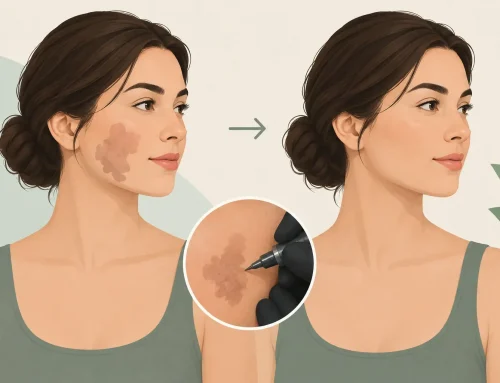

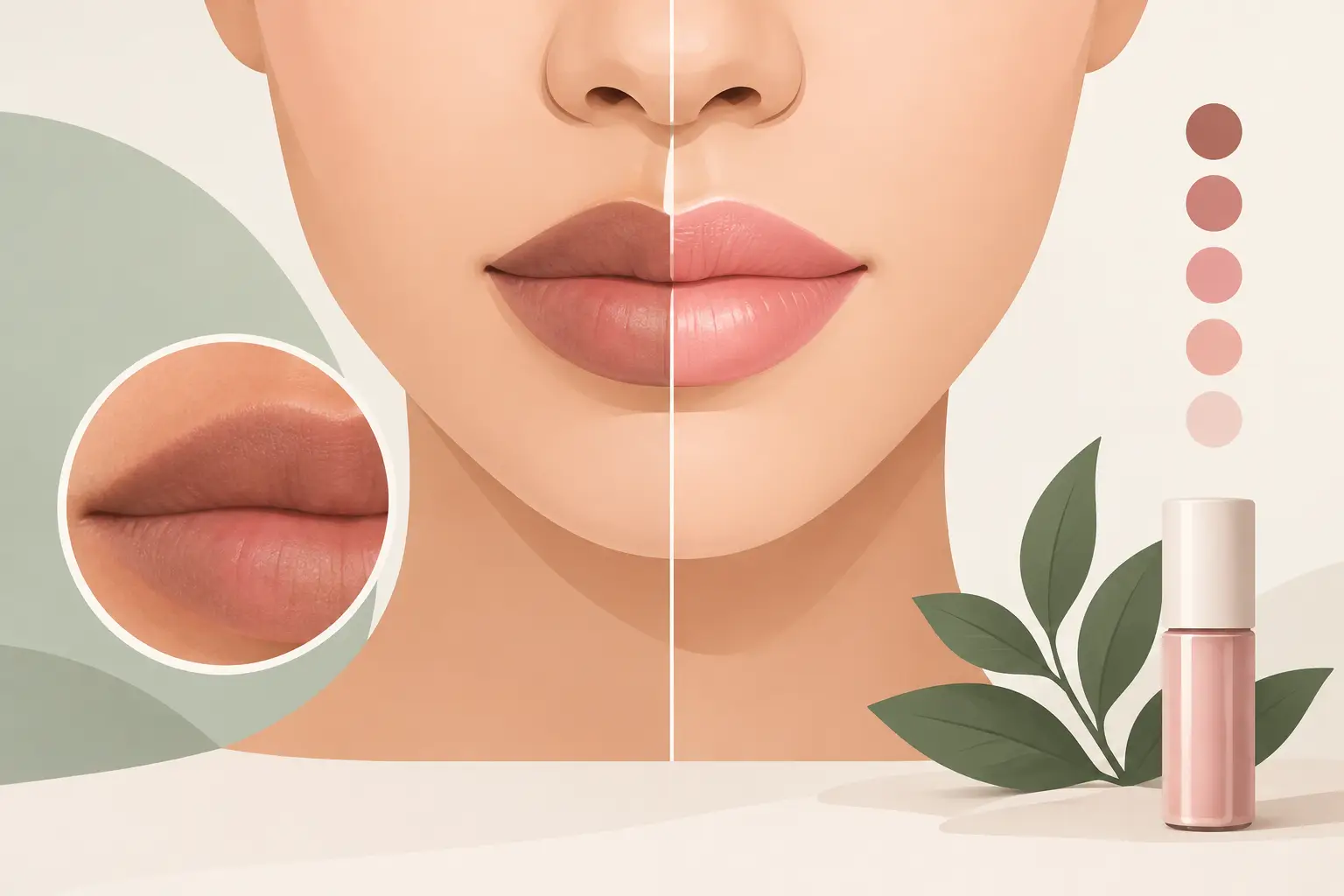
A nude lipstick can look entirely different from one person to the next. When natural lip tone is uneven, cool, deeply pigmented, or affected by prior cosmetic tattooing, the color applied on top may pull gray, purple, ashy, or unexpectedly dark. Lip neutralization is a corrective cosmetic tattooing approach designed to balance that underlying tone before enhancing the lips with a refined, believable wash of color.
This is not about erasing naturally melanated lips or forcing every client into one version of pink. It is about assessing the existing undertone with precision and selecting custom pigment that helps the lips appear more even, healthy, and harmonious with the client’s complexion.
What Is Lip Neutralization?
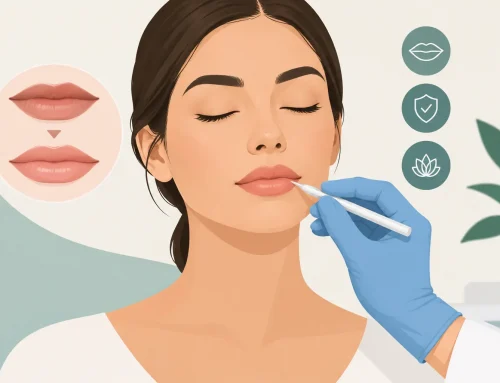
Lip neutralization uses strategically selected warm or balancing pigment to visually correct the appearance of cool, uneven, or hyperpigmented areas of the lips. Rather than depositing a single fashion shade across the entire lip, the artist works with the tone already present. The goal is to create a more balanced canvas that can heal into a soft, natural-looking color.
For some clients, this means subtly warming lips that appear violet or gray-toned. For others, it means reducing the contrast between darker and lighter areas so the lips look more uniform without looking tattooed. The treatment may be performed as a standalone enhancement or as the first stage before a more traditional lip blush result.
The distinction matters. Standard lip blush is often selected for clients whose lip tone is already relatively even and who want a sheer boost of color and definition. Neutralization is corrective work. It requires a more sophisticated understanding of color theory, skin behavior, pigment formulation, and healed results.
Why Lip Tone Can Look Uneven
Natural variation in lip color is common, particularly among clients with melanin-rich skin. Genetics, sun exposure, smoking, dehydration, hormonal changes, certain medications, past inflammation, and previous permanent makeup can all influence the appearance of lip tone. Some people also have a naturally deeper vermilion border or darker pigmentation around the outer lip.
None of these characteristics are inherently a problem. The question is whether the color makes a client feel that lipstick, gloss, or even bare lips never look quite the way they want. A properly designed treatment respects the natural dimension of the lips while addressing the color concern that brought the client in.
A premium result should never look flat, opaque, or disconnected from the rest of the face. The most successful healed lip neutralization results retain the natural texture and individuality of the lips. They simply make the overall tone appear more intentional.
The Consultation Determines the Result
The procedure begins long before pigment touches the skin. A qualified specialist evaluates the lips in natural light, looking at their overall depth, undertone, border, symmetry, texture, and areas of concentrated pigment. Your complexion, preferred makeup style, and history with cosmetic tattooing are part of the equation as well.
This assessment is especially important for clients who have had previous lip tattooing. Old pigment may have healed too cool, too dark, patchy, or beyond the natural lip line. In those cases, adding another color without first understanding what is underneath can compound the issue. Corrective work sometimes requires a staged plan rather than a single appointment.
Clients should also be candid about cold sores, allergies, medications, lip fillers, and recent cosmetic treatments. Anyone prone to cold sores may need to speak with their medical provider about antiviral medication before a lip procedure. Active irritation, chapping, wounds, or infection should be fully resolved before treatment.
At MicroArt, custom-blended mineral-based pigments and precision equipment are central to creating a controlled, natural result. The appropriate formula is not chosen from a menu of trendy shades. It is selected in response to the color already present in the lips and the color the client wants to see after healing.
How the Lip Neutralization Process Works
During treatment, pigment is placed gradually and intentionally across the lip area. The application is customized based on where correction is needed most. A client with cool-toned corners may need a different approach than someone with a darker upper lip or an overall muted cast.
The immediate color can appear warmer, brighter, or more saturated than the eventual healed result. That is expected. Fresh pigment settles as the lips recover, and the final effect develops over the following weeks. A skilled provider plans for that evolution instead of judging the outcome only by what is visible on the day of the procedure.
Most corrective lip work is best viewed as a process, not a one-appointment promise. Depending on the starting tone, desired result, pigment retention, and how the lips heal, additional sessions may be recommended. Deeper or more uneven pigmentation generally requires more patience than naturally light, even lips.
That trade-off is worth understanding before treatment. Anyone guaranteeing a dramatic correction in one session without evaluating the lips carefully should raise concerns. Precision is more valuable than speed when the objective is believable color that ages gracefully.
What Makes a Natural Result Different
Natural lip neutralization is restrained. It should not create a heavy outline, an opaque lipstick effect, or a color that clashes with the skin tone. The best results often prompt a simple reaction: you look rested, polished, and more balanced, but no one can immediately identify why.
Achieving that effect depends on several technical decisions. Pigment must be selected for the lip’s undertone, not merely its surface color. Placement must follow the natural anatomy rather than artificially enlarging the lip shape. Saturation must be controlled so correction does not become overcorrection.
Technique also matters for clients with darker skin tones. These lips deserve a specialized approach, not a one-size-fits-all service designed around lighter lip coloration. When an artist understands how warmth, depth, and skin response interact, the result can look luminous and refined rather than muddy or overly bright.
Healing, Aftercare, and Realistic Expectations
The lips may feel dry, tender, or temporarily more vivid immediately after treatment. Healing varies by individual, but clients should expect color to soften and evolve rather than remain exactly as it appears on the first day. Following the aftercare instructions provided by your specialist is essential to protecting the result.
During healing, avoid picking or exfoliating the lips. Keep them clean and follow the recommended moisture protocol. Exposure to excessive heat, swimming, sun, and products that may irritate the area may need to be limited for the period advised by your provider. If you are unsure whether a product or activity is appropriate, ask before proceeding.
It is equally important to set realistic expectations. Lip neutralization can improve the appearance of uneven tone, but it does not change the underlying biology of the lips. Results vary with skin chemistry, lifestyle, previous procedures, sun exposure, and pigment retention. Periodic maintenance may be appropriate to preserve a consistently fresh-looking result.
Who Is a Strong Candidate?
This treatment can be an excellent option for someone who feels their lips look cool, dull, uneven, or difficult to enhance with conventional makeup. It can also suit clients who want a polished bare-lip effect, frequent travelers tired of reapplying lipstick, or those seeking a more refined alternative to visibly tattooed lip color.
The right candidate is also willing to respect the process. Corrective cosmetic tattooing rewards careful planning, proper healing, and a provider who prioritizes long-term appearance over an aggressive same-day transformation. A consultation should feel specific to your lips, your complexion, and your goals – not like a preset treatment offered to everyone.
Your natural lip color is part of your face’s character. The right neutralization plan does not compete with it. It gives you a more balanced foundation, so whether you wear clear balm, a soft nude, or no makeup at all, your lips look considered and distinctly your own.