
Bad permanent makeup rarely looks subtle when it starts to fail. Brows turn ashy, eyeliner migrates, lip color heals unevenly, and what was supposed to save time begins demanding more of it. That is exactly when a permanent makeup correction specialist becomes essential – not as a luxury add-on, but as the difference between covering a problem and actually correcting it.
Correction is a separate discipline from standard cosmetic tattooing. It requires technical control, advanced color knowledge, and the restraint to know when less intervention produces the better result. Clients who seek correction are often dealing with more than cosmetic disappointment. They are dealing with visible shape distortion, pigment saturation, scar tissue, color shifts, and a growing distrust of the category itself.
What a permanent makeup correction specialist actually does
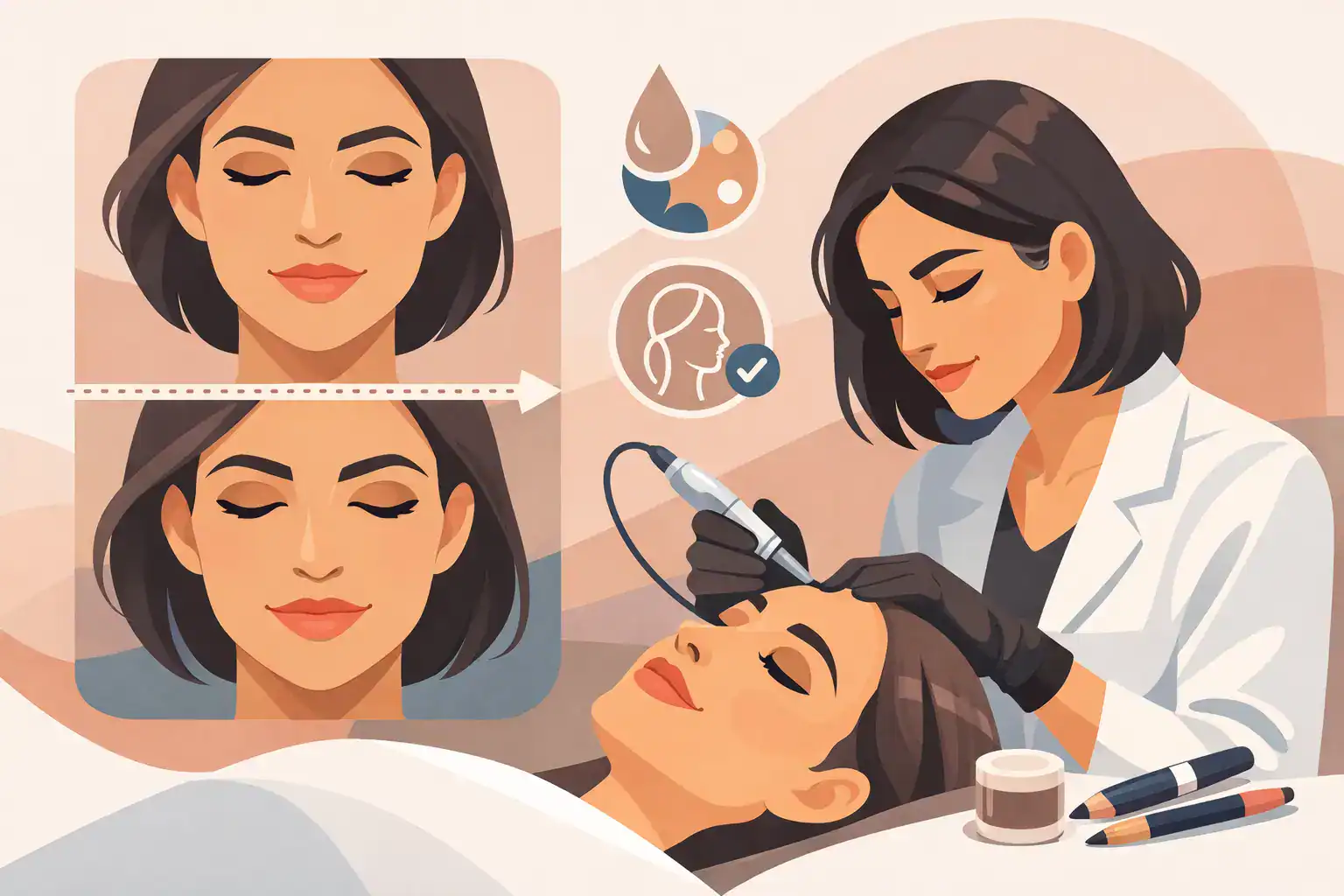
A permanent makeup correction specialist does not simply tattoo over old work. In many cases, that approach is exactly what caused the problem to worsen in the first place. True correction starts with reading what is already in the skin – the density of the old pigment, how deeply it was implanted, whether the shape can be redesigned, and whether the tissue has been compromised by previous treatments.
That evaluation matters because correction is rarely one-size-fits-all. A brow that has faded gray may need a different plan than one that has healed too dark, too wide, or too warm. Lip blush correction presents its own variables, especially when border definition is uneven or prior pigment has healed patchy. Eyeliner can be even less forgiving because the eye area demands precision and conservative decision-making.
A qualified specialist is assessing three things at once: color, shape, and skin integrity. If one of those factors is ignored, the result may look improved at first and worse over time.
Why correction is more complex than original application
The first application is performed on relatively untouched skin. Correction is performed on a surface that may already be overloaded, uneven, or resistant. That changes everything.
Previously tattooed skin can hold pigment unpredictably. Scarred areas may reject color in one section and retain it too intensely in another. Old pigments can also shift when mixed with new tones, creating muddied or unnatural results if the corrective artist is not highly selective. This is why correction is not the place for broad assumptions or generic color formulas.
There is also a design issue. When old permanent makeup sits outside the ideal shape, the specialist must decide whether it can be visually balanced or whether another step is needed before refinement. Trying to force a new elegant shape over a poorly placed old one can leave the client with a larger, heavier result. Sometimes the safest answer is a staged correction. That requires patience, but patience is often what protects the final outcome.
The most common correction concerns
Most correction appointments begin with one of a few familiar frustrations. Brows are the most common. They may be too dark, too blocky, too far apart, asymmetrical, or faded into gray, blue, red, or orange undertones. Lips may have a blurred border, healed patchiness, or a color that no longer suits the client’s natural tone. Eyeliner may look too thick, uneven, or harsh for the eye shape.
What clients often assume is a simple color issue is frequently a structural one. If the shape is wrong, correcting the color alone will not create a natural appearance. If the skin is overworked, adding more pigment may create further texture and saturation. The best specialist addresses the visible problem and the underlying reason it happened.
How to evaluate a permanent makeup correction specialist
Credentials matter, but correction work should be judged by results, not claims. The specialist should demonstrate a consistent ability to create refined, believable outcomes on clients who started with difficult work. That means healed results matter more than fresh treatment photos.
Look closely at whether corrected brows still appear soft rather than dense, whether lip work respects natural anatomy, and whether the overall result looks like the client rather than a trend placed on top of them. In correction, natural is not a vague marketing word. It is the standard that separates sophisticated technique from obvious tattooing.
Consultation quality is another strong indicator. A serious specialist will not promise every case can be fixed in one session or pretend every previous result can be erased with ease. Some corrections are straightforward. Others require staged work, pigment lightening, camouflage, redesign, or a decision not to proceed immediately. Honest case assessment is a mark of expertise, not hesitation.
It also matters how the specialist approaches technology and pigment selection. Advanced equipment, controlled implantation, and custom-blended pigments create more precision and less trauma than older methods that rely on heavier-handed application. For correction cases, that difference is significant. The goal is not simply to place color. The goal is to restore a natural effect without compounding prior damage.
The risks of choosing the wrong provider
Clients seeking correction are often emotionally ready to act fast. That urgency is understandable, but it is also where poor decisions happen. A general permanent makeup artist may offer to cover old work quickly, often at a lower price point, without fully explaining what the skin can realistically support.
The problem is that correction mistakes are cumulative. More saturation can reduce flexibility for future revision. The wrong corrective pigment can intensify discoloration rather than neutralize it. Aggressive work on already compromised skin can create prolonged healing problems and textural changes that are harder to disguise.
Luxury in this category is not about branding alone. It is about controlled outcomes, clinical judgment, and a process designed to protect the face rather than gamble with it. For clients who value discretion and refinement, choosing a true specialist is a practical decision, not an indulgence.
What the best correction results have in common
The strongest correction work does not advertise itself. Brows look balanced with the bone structure and hair color. Lip color appears elegant rather than opaque. Corrected eyeliner defines the eyes without reading as heavy cosmetic tattooing. The result should reduce visual noise, not add to it.
That usually comes from a conservative philosophy. Sophisticated correction is rarely about making a dramatic statement. It is about restoring proportion, softening previous errors, and using technical precision to create something believable in natural light. This is especially important for clients who have already had one disappointing experience and are now looking for a provider with a more advanced standard.
At a clinic level, the difference is often in the method. Proprietary systems, meticulous pigment matching, and equipment designed for accuracy can produce cleaner, softer results with fewer of the side effects clients associate with traditional permanent makeup. That is one reason discerning clients travel for specialist correction work rather than settling for whoever is local. When the face is involved, proximity should not outrank expertise.
When correction may involve more than one step
Not every case should be rushed into immediate recoloring. If old pigment is too dense, the skin is too sensitive, or the shape problem is severe, a phased approach may be the best path. That can mean first softening the existing result, then refining shape and tone once the skin is ready.
Some clients resist that plan because they want a quick fix. A credible specialist will still recommend the approach that gives the highest chance of a beautiful healed result. Short-term impatience is understandable. Long-term regret is much harder to correct.
For this reason, the best consultation is not just about what can be done. It is about what should be done, in what order, and why.
A higher standard for corrective work
Permanent makeup correction sits at the intersection of aesthetics and problem-solving. It demands artistic judgment, medical-style caution, and the ability to work within limitations without compromising elegance. That is why the category deserves its own standard.
For clients considering correction, the central question is not whether someone offers the service. It is whether they can restore confidence, softness, and credibility to the result. In Beverly Hills and among destination clients worldwide, that expectation is precisely why clinics such as MicroArt have built a reputation around correction that looks undetectable rather than merely improved.
If your current permanent makeup feels too dark, too sharp, too old, or simply no longer like you, the right specialist does more than change pigment. They give you back the option of looking polished without looking done.