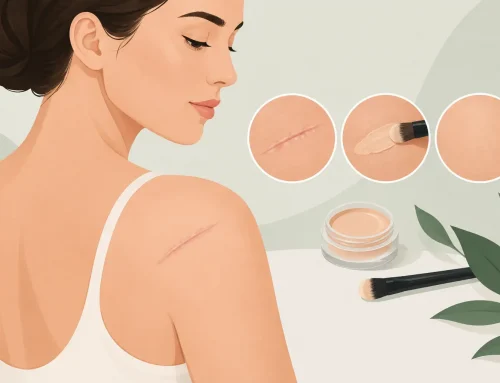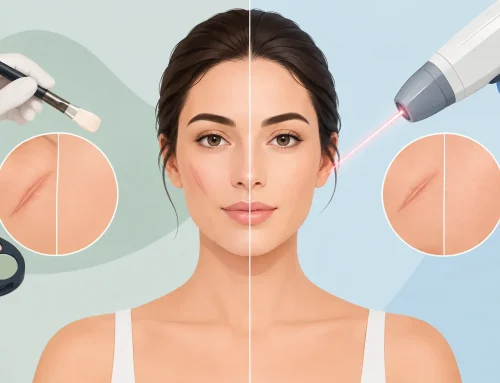


A compelling set of vitiligo camouflage before after examples does more than show lighter patches covered with pigment. It shows whether the skin still looks like skin. The strongest results are not flat, overly warm, or obvious at conversational distance. They restore visual continuity while respecting the client’s natural undertone, texture, and individual pattern of depigmentation.
For clients who have spent years relying on concealer, strategic clothing, or careful lighting, the appeal is immediate. But before-and-after images should be viewed with the same discernment used for any advanced cosmetic procedure. A sophisticated outcome depends on pigment selection, technical precision, the stability of the vitiligo, and realistic expectations for the area being treated.
What Vitiligo Camouflage Before After Examples Should Show
A useful before-and-after comparison begins with honest photography. The before image should show the true contrast between the depigmented area and surrounding skin, without beauty filters, heavy foundation, or dramatically different lighting. The after image should be taken at a similar angle and exposure, ideally with close-up detail as well as a wider view of the face or body.
The most refined results do not aim to make every inch of skin identical under every lighting condition. Natural skin has dimension. It can carry warmth in one area, neutral tones in another, and subtle shifts from sun exposure, circulation, or natural facial shadow. Cosmetic camouflage is successful when it softens the contrast so effectively that the eye is no longer drawn immediately to the patch.
Facial Vitiligo: A High-Visibility Example
Before-and-after examples on the face often create the most dramatic emotional impact, particularly around the mouth, eyes, jawline, or hairline. These areas are constantly visible and may be difficult to cover with makeup without affecting texture or requiring repeated touch-ups.
In a polished after result, the pigment should blend into the surrounding complexion without creating a makeup-like border. The finish should remain understated in daylight, not merely in a controlled studio setting. Because facial skin is highly visible, even a slight mismatch in undertone can be noticeable. This is where custom color formulation matters most.
Hands, Wrists, and Fingers: A Different Standard
Hands are among the most challenging areas for vitiligo camouflage. They are exposed to frequent washing, friction, changing temperatures, and sunlight. Before-and-after images may show a meaningful reduction in visible contrast, but clients should expect that hands can require more maintenance than protected areas of the body.
The best examples show improvement without promising artificial perfection. On fingers and knuckles, natural movement and changing skin tone can make a subtle blend more believable than a dense, uniform application. A specialist should explain that durability and color behavior can vary by location.
Neck, Chest, and Body Areas
Vitiligo on the neck, chest, arms, or torso may be easier to conceal with clothing, yet it can become highly visible in swimwear, formal attire, photography, and intimate settings. In before-and-after examples, look for an even transition at the perimeter of each patch. A harsh edge may draw more attention than the original contrast.
Body camouflage is especially valuable when the client wants freedom from daily body makeup. Still, the treatment plan should account for sun exposure, tanning habits, skincare products, and the possibility that surrounding skin may change seasonally.
Why Color Matching Is the Entire Procedure
Vitiligo camouflage is not a standard tattoo service with a single beige pigment selected from a chart. Skin color is a complex visual balance of depth, undertone, surface texture, and light reflection. A pigment that appears correct in the treatment room may look too yellow, too pink, too cool, or too opaque once it settles into the skin.
A specialist begins by evaluating the skin directly around the depigmented area, rather than relying on a general complexion category. The goal is to formulate a color that belongs beside the surrounding skin. This may require blending multiple mineral-based pigments and adjusting the approach for areas with different depth or undertone.
There is also a difference between matching skin at rest and matching skin after sun exposure. A client whose surrounding skin tans substantially may see more contrast in summer, even with an excellent initial match. For that reason, color planning should reflect the client’s lifestyle, travel habits, and typical level of sun exposure.
At MicroArt, cosmetic camouflage is approached as precision work rather than conventional permanent makeup. The technique is designed to place custom-blended pigment with exceptional control, prioritizing a soft, skin-realistic result over the dense appearance associated with traditional tattooing.
When Before-and-After Results Are Most Predictable
The stability of the vitiligo is central to the quality and longevity of a camouflage result. If depigmentation is actively spreading or changing rapidly, treating an area too early can make future contrast more difficult to manage. A carefully performed camouflage procedure cannot stop vitiligo activity or replace medical care.
Clients should first have a clear understanding of their diagnosis and discuss active disease, medications, skin sensitivity, or treatment history with an appropriate medical professional. A cosmetic camouflage consultation can then focus on whether the specific areas of concern are suitable for pigment placement.
Skin tone also matters, but not in the simplistic way many people assume. Deeper complexions can contain rich and varied undertones that demand exceptionally nuanced formulation. Lighter complexions may reveal small shifts in warmth or coolness very easily. In every case, the right result comes from individualized pigment work, not a one-size-fits-all color.
How to Evaluate Results Beyond the First Photo
A single dramatic image can be persuasive, but a premium procedure deserves closer inspection. Ask whether the after image shows the result in natural light, at a realistic viewing distance, and without makeup layered over the treated area. Look for softness at the border, consistency of color, and whether the pigment appears integrated rather than stamped onto the skin.
It is equally useful to ask when the photo was taken. Fresh pigment can look different from a healed result, and the skin needs time to settle. A reputable provider should be direct about the treatment timeline, possible color adjustments, and the role of maintenance. Semi-permanent camouflage is often preferred precisely because it can be refined over time as the client’s skin and lifestyle evolve.
Do not judge the work only by how completely a patch disappears in a close-up. Judge it by whether the person looks comfortable, natural, and unselfconscious in the after image. That is the standard that matters in real life.
The Consultation Should Be as Customized as the Pigment
A proper consultation should consider more than the size of the vitiligo patches. It should address skin stability, previous treatments, complexion changes throughout the year, desired level of coverage, and the client’s comfort with maintenance. For destination clients, planning should also account for travel timing and appropriate aftercare.
The right provider will not promise that camouflage makes vitiligo vanish permanently or look identical in every environment. Instead, they should show how custom pigment can reduce contrast with a highly natural finish and explain what is achievable for the specific area being treated.
The most valuable before-and-after example is the one that helps you ask a better question: not simply, “Can this be covered?” but “Can this be blended so naturally that I feel like myself again?”