
For someone bothered by a widening part, receding hairline, or thinning crown, the decision is rarely just about hair. It is about looking like yourself in photographs, feeling comfortable under bright light, and choosing a solution that does not announce itself. In the conversation around scalp micropigmentation versus hair transplant, the better option is not universal. It depends on the result you want, the hair you have available, your tolerance for surgery, and how much maintenance feels acceptable.
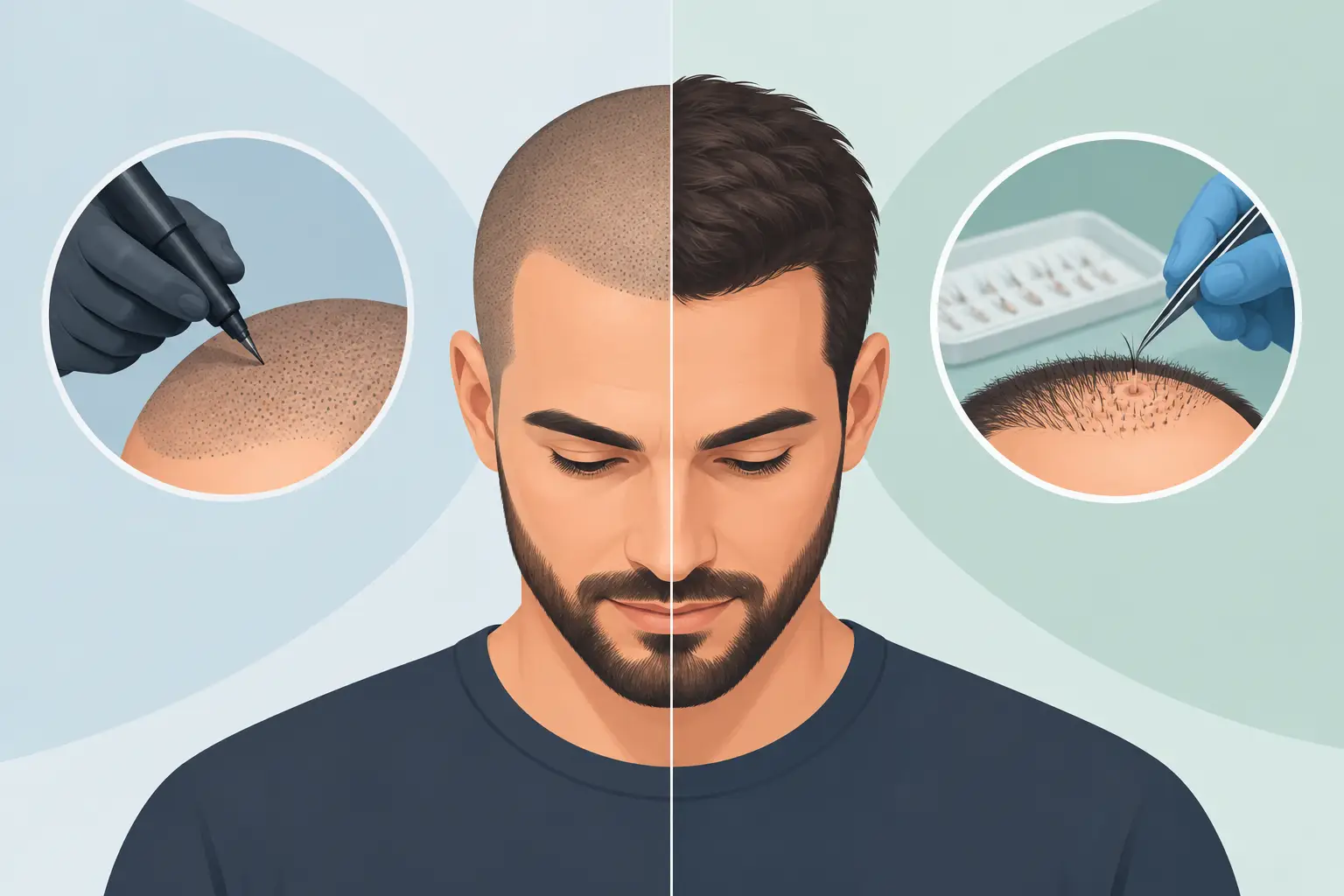
A transplant aims to move living follicles. Scalp micropigmentation, often called SMP or scalp shading, creates the visual effect of density with precisely placed pigment. Both can be highly effective when selected for the right candidate. They simply solve hair loss from very different directions.
Scalp Micropigmentation Versus Hair Transplant: The Core Difference
A hair transplant is a surgical procedure. Hair follicles are harvested from a donor area, usually the back or sides of the scalp, and implanted into thinning or balding areas. Once the grafts heal and grow, the result is real hair that can be cut, styled, and colored. It is an appealing option for clients with stable hair loss, sufficient donor density, and realistic expectations about coverage.
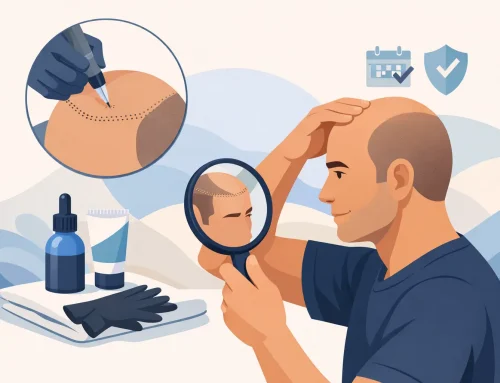
Scalp micropigmentation is a cosmetic camouflage procedure. A specialist deposits custom-matched pigment in tiny, layered impressions that replicate the appearance of hair follicles or reduce the contrast between visible scalp and existing hair. On a closely shaved scalp, it can create the look of a clean, defined buzz cut. Between longer hairs, it can make diffuse thinning and wider part lines appear significantly denser.
The distinction matters. SMP does not grow hair, and a transplant does not guarantee the appearance of a full head of youthful density. A sophisticated treatment plan begins with honesty about that difference.
What Each Option Can Realistically Deliver
For men who prefer a shaved or very short style, scalp micropigmentation can create an exceptionally convincing hairline and the appearance of even follicle density across the scalp. It is also valuable for women and men with diffuse thinning, alopecia, or visible scalp contrast. The objective is not to create individual hair strands. It is to restore the visual impression of fuller coverage.
The quality of the hairline determines whether SMP looks refined or obvious. A straight, overly dark, or uniformly stamped hairline can look artificial from across the room. Premium scalp shading requires soft irregularity, gradual density transitions, and pigments selected for the client’s skin tone, natural hair color, and future aging. At MicroArt, this approach is designed around custom-blended mineral-based pigments and precision placement for a result that reads as natural, not tattooed.
A transplant can provide movement, texture, and styling flexibility that pigment cannot duplicate. It may be the stronger choice for someone who wants to wear longer hair, sweep it back, or grow it out. Yet donor hair is finite. A surgeon must distribute grafts strategically, especially when hair loss may continue. Even an excellent transplant can look thinner over time if native hair behind the transplanted area continues to recede.
For this reason, neither option should be judged only by before-and-after photographs taken immediately after treatment. The more meaningful question is how the result will suit your face, hair-loss pattern, and preferred style five or ten years from now.
Recovery, Discomfort, and Daily Disruption
A transplant requires surgery, healing, and patience. Clients may experience swelling, tenderness, scabbing, temporary shedding, and visible redness during the early healing phase. New growth commonly takes months, and final maturation may take a year or longer. Recovery protocols vary by technique and provider, but protecting grafts during the initial period is essential.
SMP has a shorter treatment timeline and no surgical incision. Most clients return to normal social and professional life quickly, although they must follow aftercare instructions between sessions. The scalp can appear mildly red immediately after treatment, and temporary restrictions on washing, sweating, swimming, and direct sun exposure help protect the healing pigment.
The treatment itself is usually completed in a series of sessions rather than one appointment. This is a strength, not a compromise. Layering density gradually allows the specialist to evaluate healing, adjust tone, and build a dimensional finish instead of placing too much pigment at once.
If you cannot accommodate a surgical recovery period or prefer to avoid donor-area scarring, SMP is often the more comfortable path. If your priority is growing and styling real hair, the longer recovery of a transplant may be worthwhile.
Cost Is Not Just the Initial Procedure
Comparing price alone can be misleading. Hair transplant pricing is often based on graft count, technique, surgeon expertise, and geographic market. The initial investment can be substantial, particularly when extensive coverage is needed. Some clients also require more than one procedure as hair loss progresses.
Scalp micropigmentation is priced according to the treatment area, degree of thinning, and complexity of the design. It usually requires a series of appointments, followed by periodic refreshes as pigment naturally softens over time. This semi-permanent quality offers an advantage for clients who want the freedom to adapt their hairline or density as their appearance changes.
There are also related costs to consider. Hair-loss medications, topical treatments, PRP, styling products, and ongoing salon concealment can all become part of a long-term hair strategy. A transplant candidate may still use medical therapy to preserve surrounding native hair. An SMP client may choose those therapies too, but does not need them for the pigment itself to remain visually effective.
Who Is Best Suited to Each Treatment?
Hair transplants tend to be most appropriate for clients with adequate donor supply, stable or carefully managed hair loss, healthy scalp tissue, and a desire for real growing hair. They are not ideal for everyone. Limited donor density, advanced hair loss, certain scalp conditions, unrealistic density expectations, and medical factors can affect candidacy.
Scalp micropigmentation is especially compelling for people who want a shaved-head appearance, need the look of density through thinning hair, or have scars from prior transplants or injuries. It can also camouflage the contrast caused by alopecia patterns and add visual fullness for clients whose hair is too fine or sparse to provide surgical coverage.
SMP can be an excellent complement to transplantation rather than an alternative. A transplant may establish a hairline and provide real texture, while carefully placed scalp shading creates the appearance of greater density behind it or softens the visibility of a donor scar. The key is restraint. Pigment should support the overall result, never compete with it.
The Long-Term Question: Flexibility or Hair Growth?
The most overlooked factor in scalp micropigmentation versus hair transplant is future flexibility. Hair loss is not static for many people. A transplant plan must account for potential progression, because transplanted hair may remain while surrounding hair changes. That can require ongoing treatment, additional grafting, or a revised styling approach.
SMP fades gradually and can be refreshed or adjusted. It offers a controlled, predictable visual solution without relying on donor hair. However, it also requires a commitment to sun protection, appropriate skincare, and maintenance appointments over time. It will not provide the sensation of running your hands through a fuller head of hair.
A transplant offers living follicles, but it also introduces surgical variables. Graft survival, healing, donor management, future hair loss, and artistic hairline design all influence the final outcome. Choosing a highly qualified surgeon is non-negotiable, particularly when a permanent surgical decision is involved.
Make the Decision From Your Desired Look
Start with the style you genuinely want to wear, not the treatment that sounds most dramatic. If a close-cropped look would suit you and discretion matters most, professionally executed scalp micropigmentation can deliver immediate visual impact with far less interruption to your schedule. If you want length, movement, and the ability to style growing hair, a transplant may better serve your goals, provided you are a strong candidate.
A thoughtful consultation should include your hair-loss history, family pattern, donor area, scalp condition, skin tone, current medications, and the reality of your daily grooming habits. Bring photographs of your preferred hairstyle, but also discuss what happens if your hair loss advances. The right plan should look just as considered from the side, in sunlight, and years from now.
The most confident choice is the one that respects both your biology and your lifestyle. Whether that means surgical restoration, precision scalp shading, or a strategic combination of both, the standard should be simple: a result that looks believable before anyone thinks to ask why you look so well-rested.