
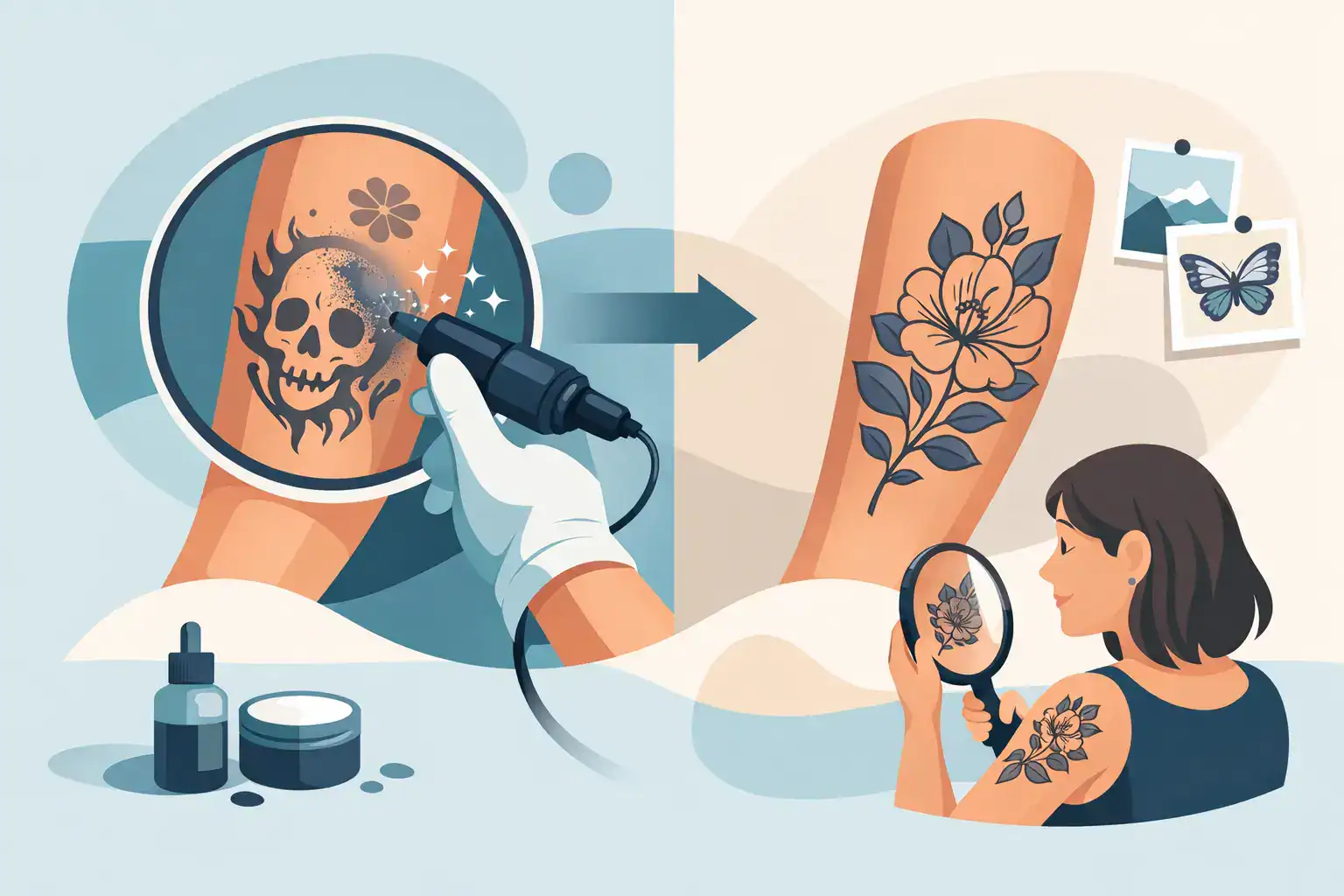
A correction should not announce itself. The most successful tattoo correction results look like a better version of what was there before: an eyebrow with believable softness, lip color that belongs to the face, eyeliner that restores definition without looking heavy, or camouflage that allows a scar or unwanted tattoo to recede from view.
That standard requires more than placing a new color over an old one. Corrective tattoo work is a precision process. The existing pigment, skin condition, placement, undertone, and the client’s desired level of visibility all influence what can be achieved. For the right candidate, a sophisticated correction can create a strikingly natural improvement without the harsh color shifts, obvious outlines, or prolonged healing often associated with traditional permanent makeup.
Tattoo Correction Results Depend on the Starting Point
No two corrections begin in the same place. A faded gray brow tattoo, an orange or blue-toned previous brow, uneven lip pigment, and an old body tattoo present entirely different technical challenges. The question is not simply whether a tattoo can be corrected. It is whether the current condition of the skin and pigment allows for a refined correction now, or whether fading, removal, or additional preparation should come first.
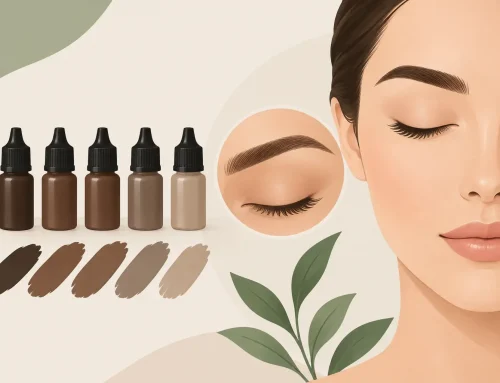
Color is often the first consideration. As conventional tattoo pigments age, they may shift toward red, orange, blue, gray, or purple. Applying a new shade without accounting for that undertone can make the discoloration more visible rather than less. A skilled correction begins by neutralizing or visually balancing what is already in the skin, then selecting a custom-blended shade designed to heal in harmony with the client’s complexion and natural features.
Placement matters just as much. An eyebrow tattoo that sits too low, extends too far at the tail, or has a block-like shape cannot always be erased by adding more pigment. In some cases, strategic shading can restore proportion and soften the overall impression. In others, removal or fading is the more responsible recommendation. Premium corrective work is defined by judgment, not by promising the same solution for every tattoo.
Skin quality also shapes the outcome. Skin that is thin, scarred, highly sun-damaged, inflamed, or repeatedly tattooed may retain pigment differently. A thorough consultation should assess texture, elasticity, prior procedures, medical history, and the age of the original tattoo before a treatment plan is set.
What a Natural Correction Can Improve
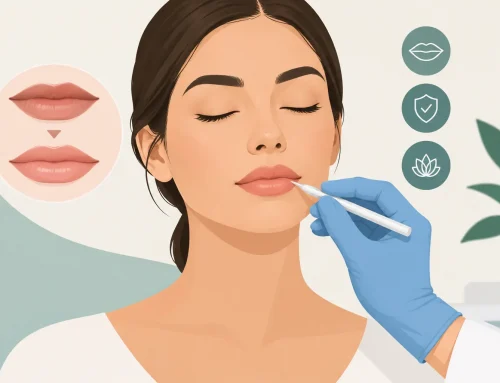
A well-designed correction can address several concerns at once. For cosmetic tattooing, this may mean softening an overly dark brow, improving asymmetry, adjusting an unflattering color, filling areas that healed unevenly, or creating a more modern and natural-looking shape. For lips, correction can improve the appearance of uneven borders, dullness, or a previous tone that no longer complements the face. With eyeliner, the goal may be to refine a blurred line or restore definition without adding a dramatic, dated effect.
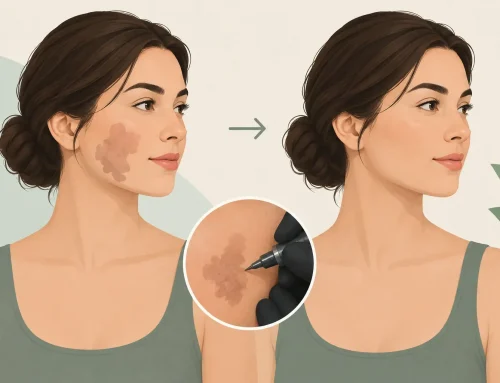
For unwanted decorative tattoos, camouflage can sometimes reduce contrast by blending the area more closely with the surrounding skin tone. This is not the same as laser removal, and it is not an appropriate solution for every tattoo. Dense black ink, saturated colors, large designs, and tattoos with raised scar tissue may need a different approach. Camouflage works best when the tattoo has been adequately lightened, when the skin is stable, and when a realistic color match can be created.
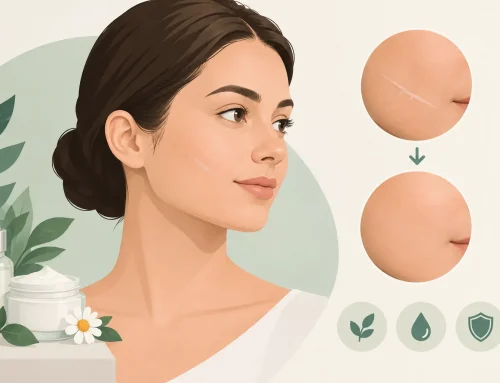
Corrective pigmentation can also be considered for scars and areas of uneven skin color. Here, the goal is not to make skin identical under every lighting condition. It is to reduce the visual interruption from a normal conversational distance. That distinction protects clients from unrealistic expectations and leads to results that feel discreet rather than overworked.
Why Technique Changes the Finished Look
Traditional tattoo methods can deposit pigment too deeply or too densely for delicate corrective work. That can increase the likelihood of color migration, a saturated appearance, and difficult future adjustments. Microblading can be equally limiting when it is placed over existing pigment, scar tissue, or mature skin. Hair strokes may blur, compete with the old tattoo, or create a layered effect that still reads as artificial.
A more controlled semi-permanent approach allows the practitioner to build color gradually and assess the skin’s response. Fine equipment, conservative placement, and mineral-based pigments support the goal of a soft, dimensional finish. Rather than trying to cover every trace of the past in a single appointment, the work can be layered with restraint.
This is where experience matters most. Corrective work requires the ability to see how undertones interact, how pigment will settle, and where less pigment will create a more convincing result. The client may arrive asking for a darker brow or stronger coverage, but the most elegant outcome may come from diffusing an edge, adding subtle balance, or choosing a lighter, warmer tone than expected.
At MicroArt, corrective treatments are approached as custom design and technical color work, not as a standard tattoo appointment. The objective is to create a result that is difficult to detect, even up close, while preserving flexibility as the skin and personal style change over time.
The Healing Process Is Part of the Result
The appearance immediately after a treatment is not the final result. Freshly placed pigment can appear more pronounced before it settles, and the skin needs time to reveal how it has retained the color. The exact timeline varies by area, skin type, prior tattoo history, and the corrective technique used.
Clients should expect a planned process rather than an instant transformation. A follow-up appointment may be appropriate to refine color, balance density, or make small adjustments after the first session has healed. This is particularly common in corrections because the existing pigment can influence how new color is perceived once the skin settles.
A no-downtime method can be especially valuable for clients who cannot accommodate visible scabbing, bruising, or a lengthy recovery period. Still, no reputable specialist should suggest that aftercare does not matter. Protecting the treated area from excessive sun exposure, avoiding picking or friction, and following individualized aftercare instructions all support better pigment retention and a more even result.
Setting Expectations Before You Commit
The strongest tattoo correction results begin with an honest consultation. Photos can provide an initial indication, but an in-person assessment is often necessary to evaluate depth, texture, and true color. Clients should be prepared to discuss when the original work was done, whether it has been treated with laser removal, how it healed, and what specifically feels wrong about it now.
Bring reference images carefully. They are helpful for communicating your preferred softness, shape, or overall aesthetic, but another person’s healed result cannot be copied exactly. Facial structure, undertones, and existing pigment will always make the final plan individual.
It also helps to define success in practical terms. Do you want the tattoo to disappear completely, look softer in photographs, require less daily makeup, or become unnoticeable in normal conversation? Those are different goals, and each calls for a different level of correction. A specialist who explains the limitations clearly is protecting both the integrity of the procedure and your long-term satisfaction.
Choosing Correction Over Another Cover-Up
Many disappointing tattoo outcomes began with a rushed attempt to cover a previous disappointment. Adding a darker pigment over a gray brow or placing a heavier line over uneven eyeliner can create a cycle that becomes harder to correct later. The better choice is often a measured plan based on what the skin can realistically support.
Correction may involve neutralization, reshaping, softening, camouflage, staged sessions, or a recommendation to fade the existing tattoo first. It depends on the starting point. What should remain consistent is the standard: no unnecessary density, no one-size-fits-all color, and no result that sacrifices natural appearance for a quick cover-up.
The right correction does more than improve a tattoo. It gives the face or skin back a sense of ease, so the first thing people notice is you, not the work that came before it.