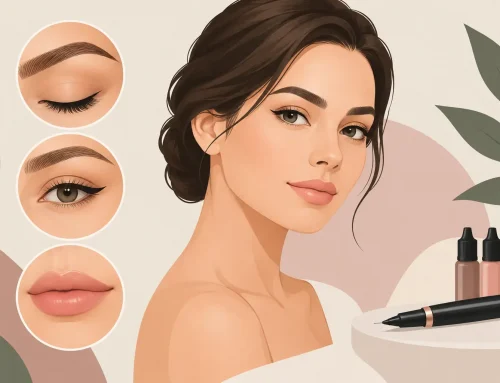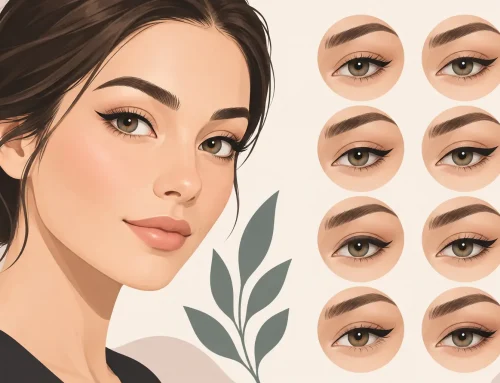

One look at healed brows tells the truth. Fresh microblading can appear crisp for a few weeks, but what matters is how the skin holds pigment months later. When clients compare cosmetic tattooing vs microblading, they are rarely asking about trend versus trend. They are asking which option will still look soft, believable, and refined after healing.
That distinction matters more than most providers admit. These treatments are often grouped together, but they do not perform the same way in real skin, on different skin tones, or over time. If your priority is a luxury result that reads polished rather than tattooed, the method matters as much as the artist.
Cosmetic tattooing vs microblading: the core difference
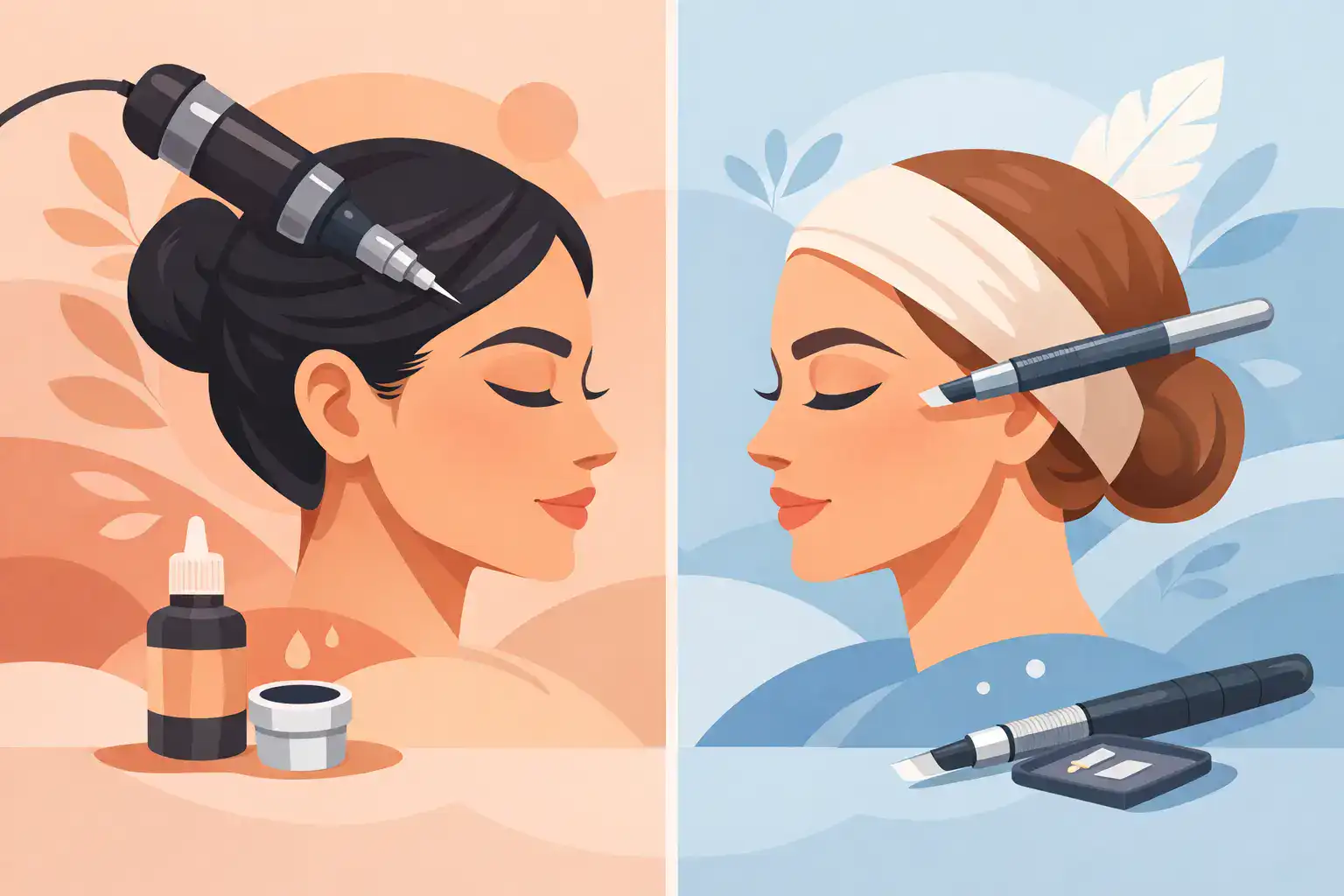
Microblading is a manual technique that uses a handheld blade made of tiny needles to create hair-like cuts in the skin. Pigment is deposited into those cuts to mimic brow hairs. The appeal is obvious – it can look delicate at first, especially on dry skin with little previous work.
Cosmetic tattooing is a broader and more advanced category. It uses precision equipment to implant pigment in a far more controlled way. That control changes everything: depth, placement, saturation, softness, and how the pigment heals. It also allows for more than one visual effect. Instead of relying only on etched hair strokes, cosmetic tattooing can create a powdery finish, soft definition, or highly natural dimension that blends with existing features rather than sitting on top of them.
In premium practice, the real comparison is not simply blade versus machine. It is limited technique versus customized technique.
Why microblading often disappoints over time
Microblading became popular because it photographed well in the short term. What many clients were not told is that repeated cutting of the skin can create problems that become visible later. On some skin types, especially oily, mature, sensitive, or textured skin, those fine strokes can blur, heal patchy, or fade into an ashy cast.
This is where trade-offs become very real. A treatment can look ultra-defined on day one and still be the wrong choice long term. Skin is living tissue, not paper. It produces oil, repairs itself unevenly, changes with age, and responds differently across ethnicities and undertones. A technique that depends on razor-thin incisions has less room for error.
Clients who want natural-looking brows often assume microblading is the gentler option because the strokes appear delicate. In practice, the opposite can be true. The skin experiences repeated trauma from cutting, and healing may involve more scabbing, uneven retention, and visible texture changes if the procedure is performed too aggressively.
That is one reason corrective clients are so common in this category. Many arrive seeking help not because they chose the wrong shape, but because the original method aged poorly.
Where cosmetic tattooing has the advantage
Advanced cosmetic tattooing offers a level of refinement that microblading simply cannot match across a wide range of clients. Precision equipment allows the practitioner to tailor the treatment to skin condition, skin tone, existing hair, age, lifestyle, and the desired finish. That matters whether the goal is subtle brow enhancement, scalp shading, lip color restoration, scar camouflage, or a correction of older permanent makeup.
For brows specifically, machine-based cosmetic tattooing can create softness without carving the skin. The result is often more believable in person because natural brows are not made of identical etched lines. They have depth, density shifts, shadow, and diffusion. A sophisticated cosmetic tattooing approach can reproduce those qualities far more elegantly.
It also tends to be more inclusive. Clients with oily skin, larger pores, mature skin, melanin-rich skin, prior tattoo work, or corrective concerns are often poor candidates for microblading but can do well with the right cosmetic tattooing technique. That difference is significant. A luxury service should adapt to the client, not force the client into a narrow treatment model.
Healing, downtime, and skin response
Healing is where the lived experience starts to separate these services. Microblading commonly involves redness, tenderness, scabbing, and a more obvious healing phase because the skin has been cut. Some clients tolerate that well. Others do not, especially if they need discretion for work, events, travel, or simply do not want to explain visible healing.
With modern cosmetic tattooing, the healing process can be significantly more controlled. Better equipment, custom pigment selection, and advanced implantation methods can reduce the harsh side effects people often associate with permanent makeup. Less trauma generally means a smoother recovery and a cleaner healed result.
This is not to say every machine procedure is automatically superior. Poor cosmetic tattooing still exists. Heavy hands, outdated pigments, and old-fashioned techniques can create flat color or obvious makeup effects. The point is that advanced cosmetic tattooing allows for precision. In expert hands, that precision translates into cleaner healing and more refined outcomes.
Cosmetic tattooing vs microblading for natural results
If the brief is simple – I want it to look like me, only better – cosmetic tattooing usually wins.
Microblading chases realism through imitation. It tries to copy brow hairs one stroke at a time. Cosmetic tattooing achieves realism through integration. It works with the face, skin, and existing features to create enhancement that does not announce itself. That is a more sophisticated goal, and it tends to age better.
The same logic applies outside the brow category. Clients seeking lip definition, eyeliner enhancement, scalp shading, scar camouflage, areola restoration, or correction work need nuanced pigment control and placement accuracy. Microblading is not built for that level of versatility. Cosmetic tattooing is.
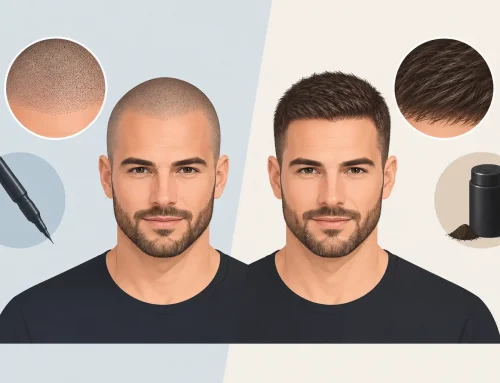
For men, this difference can be especially important. The best result is undetectable. Hard edges, obvious strokes, or overdrawn density defeat the purpose. Machine-based customization offers more discretion and a more polished finish.
Who may still choose microblading
There are cases where microblading can be appropriate. A younger client with dry skin, minimal pore size, no previous tattooing, and realistic expectations may enjoy the look for a period of time. If someone wants a very specific stroke-based effect and understands the maintenance involved, microblading is not inherently wrong.
But it is often oversold as universally natural and broadly suitable. It is neither. The right question is not whether microblading can look good. It is whether it is the best fit for your skin and your long-term goals.
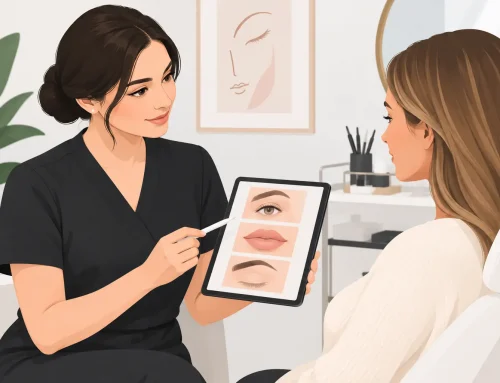
That is where consultation quality matters. A specialist should be able to explain why one technique suits you better than another, especially if you have scar tissue, pigment correction needs, alopecia, melasma concerns, or a history of disappointing permanent makeup.
The pigment question clients should ask sooner
Technique gets most of the attention, but pigment behavior is just as important. The wrong pigment can heal too cool, too warm, too flat, or too dense for the skin. That is one reason older permanent makeup often shifts into unnatural tones over time.
High-level cosmetic tattooing treats pigment selection as a custom process, not a preset formula. Mineral-based blends, skin-tone analysis, and careful depth control all affect whether the finished result remains soft and flattering. For clients with darker skin tones or corrective needs, this is not a minor detail. It is central to safety and appearance.
This is also why bargain pricing can be expensive in the end. When the initial work is not precise, correction becomes more complex than the original service.
Choosing the better investment
The cheapest procedure is rarely the best value when your face is involved. Cosmetic tattooing performed at an advanced level is designed as a long-view investment: less daily makeup, more predictable healing, greater suitability across skin types, and results that feel elevated rather than trendy.
For discerning clients, the goal is not simply fuller brows or more definition. It is freedom – freedom from patchy pencils, rushed mornings, visible correction work, and the anxiety of looking overdone. That is why many clients who once considered microblading ultimately choose a more sophisticated cosmetic tattooing method instead.
At MicroArt, that difference is not marketing language. It is the reason clients travel for treatment, particularly when they want subtle enhancement, corrective expertise, or camouflage work that standard approaches cannot deliver.
If you are deciding between the two, think beyond the first appointment. Think about your skin, your lifestyle, your tolerance for downtime, and how you want the result to look after it heals, settles, and becomes part of your face. The most beautiful work is rarely the most obvious. It is the work no one notices because it simply looks right.