

A flawless before-and-after photo can be persuasive. It can also be misleading. When you are deciding how to choose cosmetic camouflage, the real question is not whether a result looks good under perfect lighting. It is whether the treatment will still look natural in daylight, on your skin tone, across facial movement, and months after healing.
That distinction matters because cosmetic camouflage sits at the intersection of aesthetics and correction. You are not simply choosing a beauty service. You are choosing a highly specialized procedure that may affect visible scars, vitiligo, birthmarks, areola restoration, scalp concerns, or previous cosmetic tattoo work. The right choice should look effortless, but the decision itself should be exacting.
How to choose cosmetic camouflage for natural results
The first filter is simple: decide whether you need temporary coverage or a semi-permanent solution. Temporary camouflage products can be useful for short-term wear, photography, events, or testing how much coverage you prefer. But if your goal is daily freedom from concealer, color correction, and layering makeup over the same area every morning, a semi-permanent approach may be more appropriate.
This is where many clients make the wrong comparison. They evaluate cosmetic camouflage as if it were standard permanent makeup. It is not. Corrective camouflage requires a different level of pigment customization, depth control, and skin analysis. A provider who can create a fashionable brow does not automatically have the skill to blend pigment into scar tissue, match surrounding skin, or work across varied undertones without creating obvious borders.
Natural results come from restraint and precision. If a provider promises one-size-fits-all coverage, dramatic transformation in every case, or a simple formula that works on all skin types, that is a reason to look closer. Cosmetic camouflage is highly case-specific.
Start with the condition, not the trend
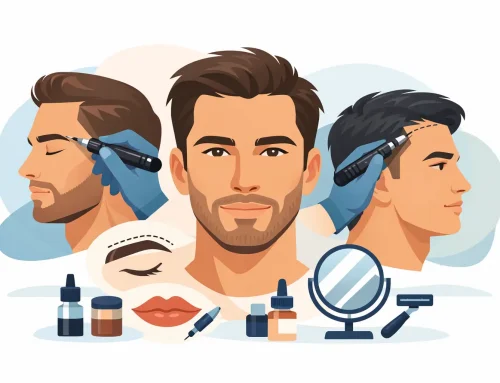
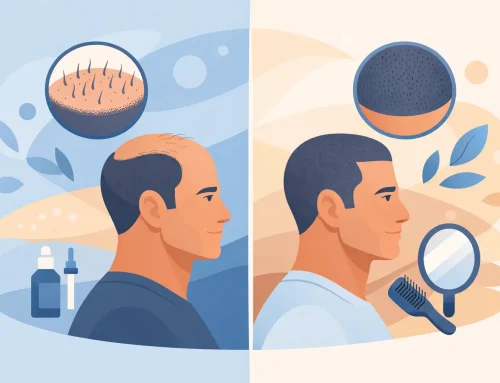
The best treatment plan depends on what is being camouflaged. Scar tissue behaves differently than healthy skin. Vitiligo presents different blending challenges than melasma. Areola restoration requires both artistry and anatomical realism. Scalp shading for men must account for hair density, head shape, and how the pigment reads at conversational distance.
In other words, the area itself determines the approach.
A flat, mature scar may be a strong candidate for camouflage, while an elevated, red, or still-healing scar may not be ready. Vitiligo camouflage can be highly effective in stable cases, but instability in pigment loss changes the long-term strategy. Birthmarks and discoloration require nuanced color balancing rather than heavy opacity. Previous permanent makeup often needs correction before refinement.
A serious consultation should begin with your specific concern, your skin history, and your expectations. It should not begin with a menu of generic beauty services.
Evaluate the provider like a specialist, not a technician
If you want an undetectable result, the provider matters more than the procedure name. Cosmetic camouflage is one of the most technique-sensitive categories in the industry.
Look for evidence of specialization in corrective work, not just volume of clients. The most relevant questions are practical. Does the provider work with scar tissue, vitiligo, areola restoration, and corrective cases regularly? Do they understand undertone matching across fair, olive, deep, and richly melanated skin? Can they explain why one area is a good candidate while another may require delay, correction, or an alternative approach?
You should also pay attention to how they talk about technology and healing. Advanced methods are not just about comfort. They affect pigment placement, skin trauma, recovery, and the final softness of the result. A premium clinic should be able to explain how its equipment, pigment system, and technique differ from traditional tattooing and why that difference shows up in the healed outcome.
If the consultation feels rushed, overly sales-driven, or vague on technical details, keep looking. Expertise is usually clearest in what a provider refuses to oversimplify.
Color matching is where cosmetic camouflage succeeds or fails
The average client tends to focus on coverage. Specialists focus on color.
A camouflage result can fail even when the area is technically filled in. If the pigment is too warm, too cool, too light, too opaque, or disconnected from the surrounding skin, the eye will catch it immediately. This is especially true in daylight and on mobile skin or textured tissue.
That is why custom blending matters. Human skin is not one flat shade. It contains variations in undertone, translucency, vascularity, and sun exposure. Even within a single treatment area, color can shift slightly from one edge to another. Scar tissue can reflect light differently than adjacent skin, which makes matching even more exacting.
When considering how to choose cosmetic camouflage, ask how the provider approaches pigment formulation. Are pigments custom blended for your skin, or selected from a preset range? Is there a plan for refinement after healing? Are they accounting for how color settles over time, not just how it appears immediately after treatment?
A polished result is usually built in layers. That is not a weakness. It is often a sign of control.
Healing, longevity, and maintenance should be discussed upfront
Luxury treatment should not mean vague promises. It should mean clarity.
Cosmetic camouflage is semi-permanent, and that distinction matters. The goal is a natural-looking enhancement that fades more gracefully than traditional permanent makeup, not a heavy tattoo effect that locks in a harsh color for years. Depending on the area treated, your skin characteristics, sun exposure, and aftercare, maintenance may be part of preserving the result.
This is not a drawback when it is handled properly. In fact, many sophisticated clients prefer a solution that can be refreshed and adjusted rather than one that becomes increasingly artificial with time. The key is transparency. You should understand how many sessions may be recommended, what the healing window looks like, and when a touch-up may be appropriate.
Be wary of anyone who suggests cosmetic camouflage is permanent in the literal sense or promises identical longevity on every skin type and condition. Skin does not behave that uniformly.
Photographs matter, but healed work matters more
Before-and-after images can be helpful if you know what to look for. The most valuable portfolio is not the most dramatic one. It is the one that shows consistency, healed outcomes, and close-up detail across different skin tones and case types.
Try to assess whether the result looks integrated with the surrounding skin rather than simply covered. Are the edges soft? Does the color appear believable? Is the finish natural, or does it read flat and cosmetic? If the clinic treats men, darker skin tones, corrective cases, and medical camouflage concerns, that range should be visible in the work.
Healed results are especially important. Fresh pigment can appear brighter or more even than the settled outcome. A clinic confident in its methods should be able to speak to the healing process with precision, not generalities.
The right choice should feel discreet and intentional
Many clients seeking camouflage are not looking for attention. They are looking for relief. Relief from explaining a scar. Relief from daily correction makeup. Relief from living around a visible area that does not reflect how they want to present themselves.
That emotional context is part of the selection process. The right provider understands discretion, not just design. They understand that some clients want a restorative result, not an obvious cosmetic statement.
This is where premium care earns its value. A sophisticated clinic experience should feel individualized from consultation through follow-up. Your treatment plan should reflect your skin, your goals, and your level of visibility comfort. Some clients want a nearly invisible correction. Others want strategic improvement that reduces contrast without chasing perfection. Both are valid, and both require an honest discussion.
At the highest level, cosmetic camouflage is not about masking. It is about integration.
For clients considering advanced corrective work in Beverly Hills, this is precisely where a specialist clinic such as MicroArt distinguishes itself – not by treating camouflage like standard permanent makeup, but by approaching it as precision-based aesthetic restoration.
Choose the provider who is willing to be exact, selective, and honest about what your skin can support. The most beautiful result is often the one no one notices at all.