
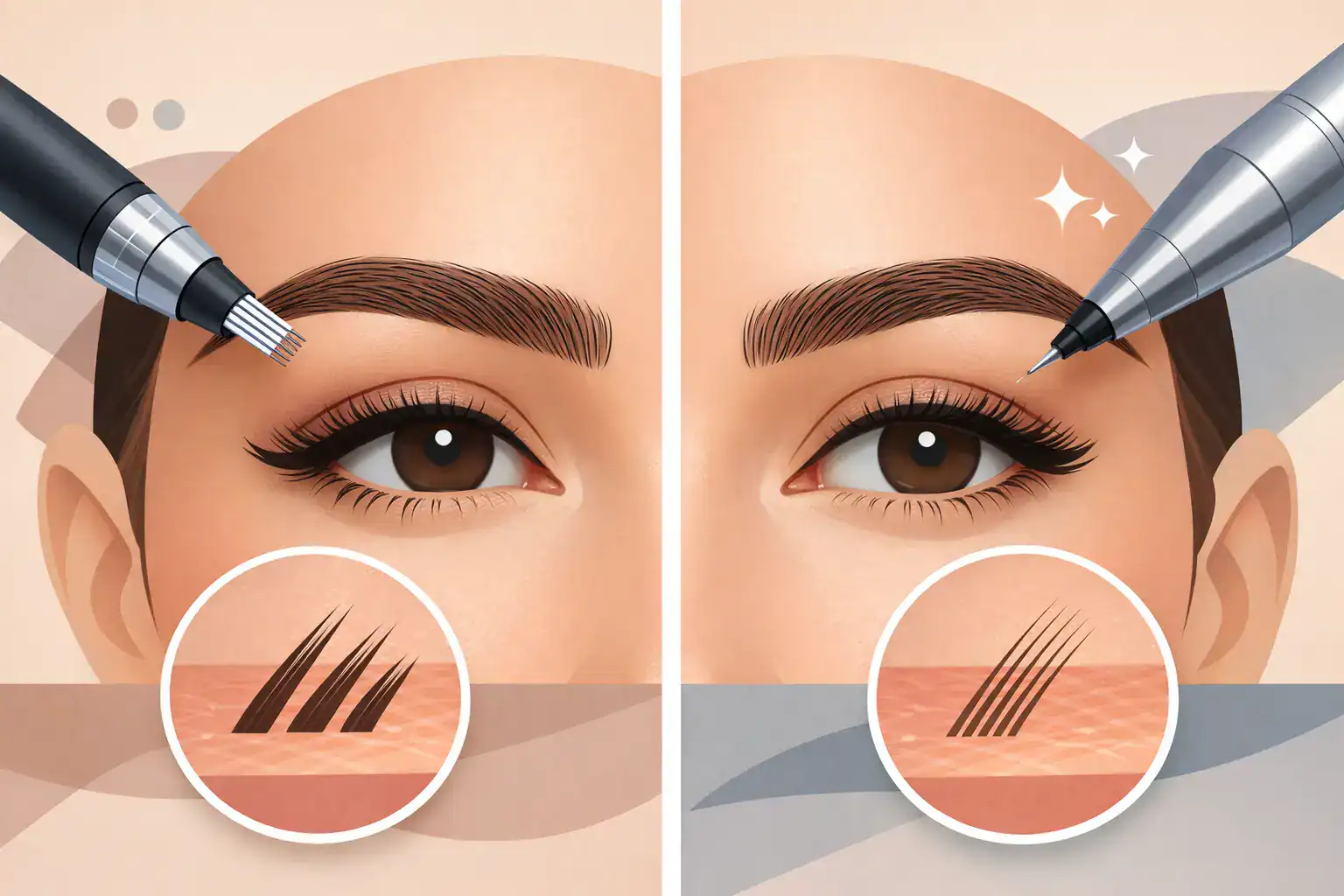
The wrong brow technique can age the face faster than no brow enhancement at all. That is why the microblading vs nano brows conversation matters so much – especially for clients who want refinement, not obvious cosmetic tattooing.
At a glance, both treatments are designed to create fuller, more defined eyebrows. But they do not behave the same way in the skin, they do not heal the same way, and they do not deliver the same level of softness over time. If your priority is natural-looking results, predictable healing, and color that stays elegant rather than harsh, the distinction is not minor. It is the whole decision.
Microblading vs nano brows: the core difference
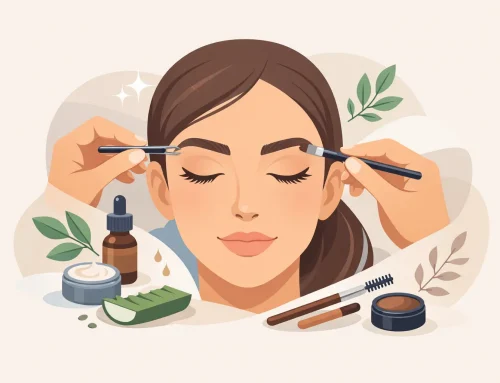
Microblading uses a manual handheld blade made up of tiny needles to create hair-like incisions in the skin. Pigment is deposited into those cuts to simulate brow hairs. The appeal is easy to understand – crisp strokes, immediate definition, and a look that can seem realistic when freshly done.
Nano brows use a machine and a single ultra-fine needle to implant pigment with far more precision and control. Rather than slicing the skin, the artist creates delicate strokes with a digital device. That technical difference is what changes everything from trauma level to healed result.
For clients evaluating microblading vs nano brows, the question is not simply which technique is newer. It is which method allows for more controlled pigment placement with less disruption to the skin. In most cases, nano brows are the more advanced option.
Why technique matters more than trend
Brows sit at the center of the face. Any issue with shape, saturation, symmetry, or color shift is immediately visible. A treatment that looks impressive on day one can become disappointing once it heals unevenly or spreads slightly in the skin.
Microblading became popular because it offered a more natural alternative to older, solid-fill permanent makeup. But the method has limits. Because it relies on small cuts, it can be more traumatic to the skin, particularly on sensitive, mature, oily, or previously treated areas. Over time, those crisp strokes may soften, blur, or heal thicker than intended.
Nano brows were developed for a more refined level of artistry. The machine allows for consistent depth, cleaner implantation, and better adaptability across a wider range of skin types. For a luxury client who expects subtlety and precision, that matters. This is not about hype. It is about how skin responds.
How each treatment looks when healed
Fresh results can be misleading. The real test is how brows settle after the healing process and how they wear over the coming months.
Microblading often heals with a drier, more textured appearance because the skin has been cut. In the right hands and on the right skin, it can still look beautiful. But it is more dependent on ideal conditions. Oily skin can cause strokes to expand. Mature skin can struggle with crisp retention. Clients prone to sensitivity may experience more visible healing.
Nano brows typically heal softer and cleaner. Because the pigment is placed with greater precision and less slicing, the finished result often appears more polished and less rigid. Strokes can be feathered with exceptional detail, which is especially valuable for clients who want brows that are noticed as attractive, not recognized as tattooed.
That distinction becomes even more important in daylight, on high-definition cameras, and up close. Sophisticated cosmetic work should disappear into the face. It should not announce itself.
Healing, downtime, and skin response
One of the biggest practical differences in microblading vs nano brows is how the skin handles the procedure.
Microblading can involve more redness, tenderness, and visible scabbing because the blade creates incisions. Some clients heal without issue, but others notice patchiness during the recovery period. The skin may feel more compromised, especially after repeat appointments.
Nano brows are generally gentler. Because the skin is not being cut in the same way, healing is often smoother with less crusting and less disruption to the brow area. For clients with demanding schedules, public-facing careers, or little patience for extended recovery, that lower-trauma approach is appealing.
Healing still depends on the practitioner, aftercare, and the client’s skin condition. No cosmetic tattoo procedure is completely without maintenance or recovery. But in a direct comparison, nano brows typically offer a more elegant healing experience.
Skin type changes the answer
This is where broad internet advice often fails. The best brow method is not universal.
Microblading tends to perform best on younger, drier skin with small pores and minimal textural irregularity. On that skin type, strokes have a better chance of staying crisp. Even then, long-term retention can vary.
Nano brows are more versatile. They are often better suited for oily skin, combination skin, mature skin, and clients with previous pigment in the brow area. They also tend to be a stronger option for clients who want subtle definition without the risk of blocky healing or excessive scar tissue buildup over time.
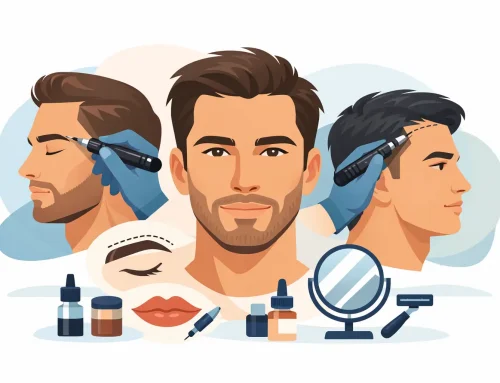
For men seeking undetectable brow enhancement, nano brows can be particularly effective because the strokes can be exceptionally fine and understated. For clients with sparse tails, asymmetry, over-tweezing, or hair loss conditions, the machine method often allows for more controlled customization.
Longevity and maintenance
Neither treatment should be judged only by how long it lasts. Longevity without beauty is not a benefit.
Microblading may fade faster on some skin types, but it can also leave behind blurry or ashy remnants that complicate future touch-ups. Repeated cutting in the same area may also affect the skin over time. That is one reason some experienced artists have moved away from making microblading their primary brow service.
Nano brows generally age more gracefully. Because the strokes are placed with greater consistency, the fading process can look cleaner and more even. That does not mean maintenance is unnecessary. It means maintenance is often more predictable.
Clients who value long-term brow quality over short-term trend appeal usually appreciate that distinction. Precision at the start makes future adjustments easier.
Which looks more natural?
If natural means sharp, freshly cut hairstrokes for a narrow window of time, microblading can absolutely satisfy the right client. But if natural means believable, soft, skin-appropriate brows that continue to look refined after healing, nano brows usually have the edge.
The most natural result is not created by the boldest stroke pattern. It comes from restraint, pigment selection, placement, and an understanding of how the skin will translate the work over time. Premium brow design is not about adding more. It is about knowing exactly how little is needed.
That is especially relevant for clients who have been disappointed by traditional permanent makeup, old brow tattoos, or heavy-handed artistry. They are not looking for a brow trend. They are looking for restoration of balance.
The real risk is choosing based on price alone
Brow work is one of the few beauty services where a bargain can become expensive very quickly. Corrections, cover-ups, laser sessions, and shape revisions cost far more than choosing the right method and specialist from the beginning.
In a high-level clinical beauty setting, the conversation is not just microblading vs nano brows. It is also about pigment quality, machine precision, color theory, facial symmetry, skin assessment, and whether the provider understands how to create brows that remain tasteful after the initial excitement fades.
This is where true expertise separates itself from standard cosmetic tattooing. A proprietary, technology-forward approach like the one offered at MicroArt is built around minimizing the drawbacks clients have come to expect from older methods – harsh color changes, visible trauma, and results that read as makeup instead of natural brow structure.
So which should you choose?
If you have ideal skin for manual strokes, understand the limitations, and are comfortable with a technique that can be more skin-traumatizing, microblading may still be a fit. It has a place. But it is no longer the most sophisticated answer for many clients.
If you want a more advanced method with greater precision, better versatility across skin types, smoother healing, and a more refined healed appearance, nano brows are often the superior choice. For clients investing in premium cosmetic enhancement, that usually aligns more closely with the outcome they actually want.
The best brows should not look trendy or overworked. They should look like you were simply born with better balance, better shape, and better definition. When the technique respects the skin and the artistry respects the face, that is when brow enhancement becomes truly invisible in the best possible way.
If you are deciding between the two, do not ask which treatment is more popular. Ask which one gives your skin the best chance of healing beautifully and your features the best chance of looking effortlessly right.