

You can usually spot traditional permanent makeup work before you get close. The pigment sits heavy, the shape looks stamped on, and the healing process often includes redness, scabbing, or days of planning your schedule around your face. That is exactly why the phrase cosmetic tattoo no downtime gets so much attention. Clients are not just asking for color that lasts. They are asking for a result that looks refined immediately and does not interrupt work, travel, social plans, or privacy.
The short answer is yes – but only under very specific conditions. No downtime does not mean nothing happened to the skin. It means the procedure is performed with enough precision, control, and skin respect that the visible aftereffects are minimal. If the method is advanced enough, you should not need to hide for a week, cancel meetings, or explain bruising and peeling to everyone you see.
What cosmetic tattoo no downtime actually means
In the beauty industry, downtime is often used loosely. For cosmetic tattooing, it should refer to the period when the treated area looks visibly irritated, swollen, overly dark, scabbed, or socially noticeable. A true cosmetic tattoo no downtime approach aims to avoid those common side effects rather than asking clients to tolerate them as normal.
That distinction matters. Many providers say a procedure has little downtime when what they really mean is the area will heal in several days. Those are not the same promise. If your brows are sharply dark for a week, your lips are swollen, or your eyeliner leaves the eye area visibly inflamed, that is downtime even if the skin technically remains functional.
The more accurate question is not whether all cosmetic tattooing heals. Of course it does. The real question is whether the treatment can be done in a way that keeps the healing process discreet, controlled, and cosmetically acceptable from the start.
Why some cosmetic tattoo procedures create downtime and others do not
Most of the downtime people associate with permanent makeup comes from trauma to the skin. That trauma can be caused by overly aggressive technique, poor depth control, repeated passes over the same area, unsuitable pigment choice, or tools that are not refined enough for delicate cosmetic work.
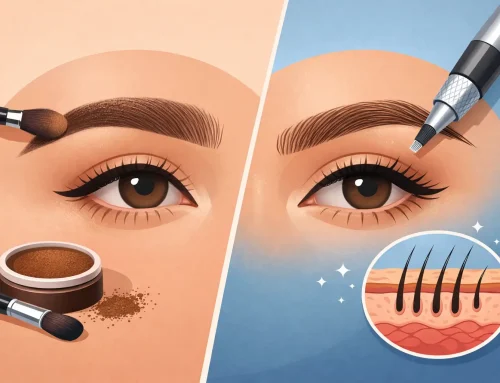
Traditional microblading is a clear example. It relies on manual cuts in the skin to create hairlike strokes. Even when done by a skilled artist, the method is inherently more traumatic than advanced machine-based techniques designed for shallow, precise pigment placement. More trauma usually means more inflammation. More inflammation means more swelling, more flaking, and a less predictable healed result.
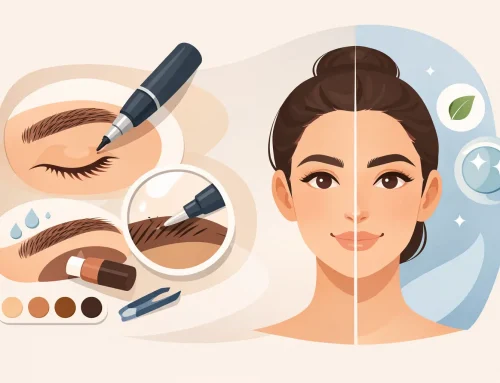
By contrast, a high-level cosmetic tattoo system is designed to work with the skin, not against it. Precision equipment, custom pigment formulation, and controlled implantation can significantly reduce the visible signs of treatment. The result is not just a more comfortable experience. It is often a more natural appearance immediately after the appointment and a more stable healed color over time.
The biggest factor is technique, not marketing
This is where many clients get misled. They assume no downtime is a product claim. It is really a technique claim.
The same treatment category can produce completely different outcomes depending on who performs it and how. Two providers may both offer eyebrow tattooing, lip color, scalp shading, or scar camouflage. One creates swelling, crusting, and weeks of awkward healing. The other produces a result that allows the client to return to dinner, work, or a flight the same day.
That difference comes down to precision. Depth must be consistent. Pressure must be controlled. Pigments must suit the client’s skin tone and undertone. The device must allow exact placement without shredding the skin. The provider also has to know when less is more. Overworking skin in pursuit of immediate intensity is one of the most common reasons cosmetic tattoos heal poorly.
For clients who value discretion, this is not a minor detail. It is the entire point.
Cosmetic tattoo no downtime for brows, lips, eyeliner, and camouflage
Not every area behaves exactly the same, so expectations should be tailored to the procedure.
Brows
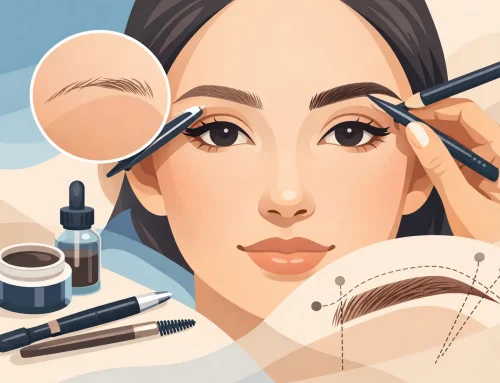
Brows are often the easiest place to achieve a no-downtime appearance when the method is sophisticated. A well-executed brow enhancement should look soft, balanced, and wearable right away. The old expectation that brows must heal through heavy darkness and flaking is tied to outdated or overly aggressive methods.
Lips
Lips are more variable. Some clients naturally swell more than others, and lip tissue is more reactive than brow skin. Even so, advanced lip work should not leave clients with the extreme puffiness and harsh border effect often seen in conventional permanent makeup. Technique and pigment choice make a significant difference here.
Eyeliner
The eye area is delicate, so precision matters even more. Some sensitivity can happen, but visible downtime should still be limited when the treatment is performed conservatively and correctly. A crisp enhancement should not come at the cost of days of obvious inflammation.
Scar, vitiligo, and skin camouflage
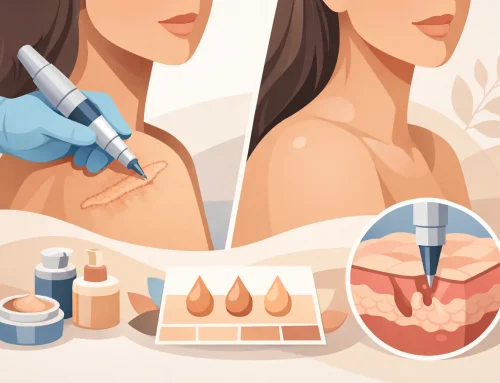
Corrective work requires an even higher level of specialization because the provider is not only enhancing features but blending color into compromised or irregular skin. In these cases, no downtime is possible, but only if the practitioner understands skin behavior, undertones, and how to build color gradually without aggravating the area.
Who is a good candidate for no-downtime cosmetic tattooing
Most healthy adults can be candidates, but suitability depends on more than interest. Skin condition, sensitivity, existing pigment, medication use, recent treatments, and the area being treated all affect how the skin will respond.
Clients who have had poor experiences elsewhere are often the most cautious, and rightly so. If you have previously dealt with bruising, scabbing, color shifts, or unnatural healed work, it does not mean all cosmetic tattooing behaves that way. It may simply mean the previous method was too harsh or poorly matched to your skin.
That said, no ethical specialist should promise an identical response for every client. If your skin is extremely reactive, if you are healing from another procedure, or if you have dense scar tissue, the plan may need to be adjusted. Luxury service is not about saying yes to everything. It is about knowing how to protect the outcome.
What to ask if you want cosmetic tattoo no downtime
The best consultations go beyond shape and color. They address how the skin is treated during the procedure and what the immediate afterlook will be.
Ask how the provider defines downtime. Ask whether the treated area is expected to darken dramatically, scab, bruise, or swell. Ask what technology they use and whether their method is designed to minimize trauma. Ask to see healed results, not just fresh ones under ideal lighting.
This is especially important if you are booking a procedure before travel, work events, filming, photography, or social commitments. A premium cosmetic tattoo experience should fit into real life, not force you to disappear from it.
Why luxury clients are moving away from traditional permanent makeup
The shift is not only aesthetic. It is practical.
Today’s client wants longevity, but not at the expense of softness. They want enhancement, but not anything that reads obvious. They want correction for scars, alopecia, vitiligo, or previous tattoo work, but with the kind of precision that protects privacy. Most of all, they want a treatment that respects time.
That is why advanced cosmetic tattooing has become so appealing to clients who could choose anything. They are not looking for the cheapest session or the trendiest name. They are looking for control – over appearance, healing, maintenance, and how much anyone else notices.
At the highest level, cosmetic tattooing is no longer about tolerating side effects for the sake of convenience later. It is about achieving refined, believable results through methods sophisticated enough to avoid the usual trade-offs. That standard is exactly what has made MicroArt stand apart for clients who expect more than conventional permanent makeup can deliver.
If you are considering a cosmetic tattoo no downtime procedure, the smartest move is to focus less on the phrase and more on the proof behind it. When the method is truly advanced, the skin shows it immediately.