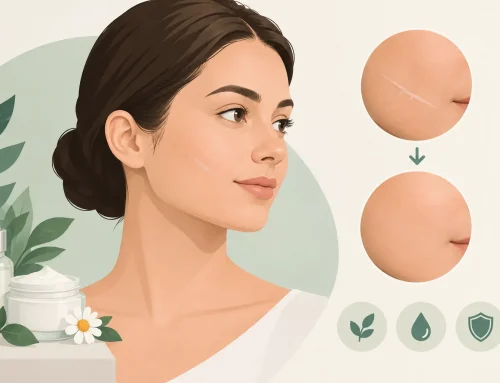

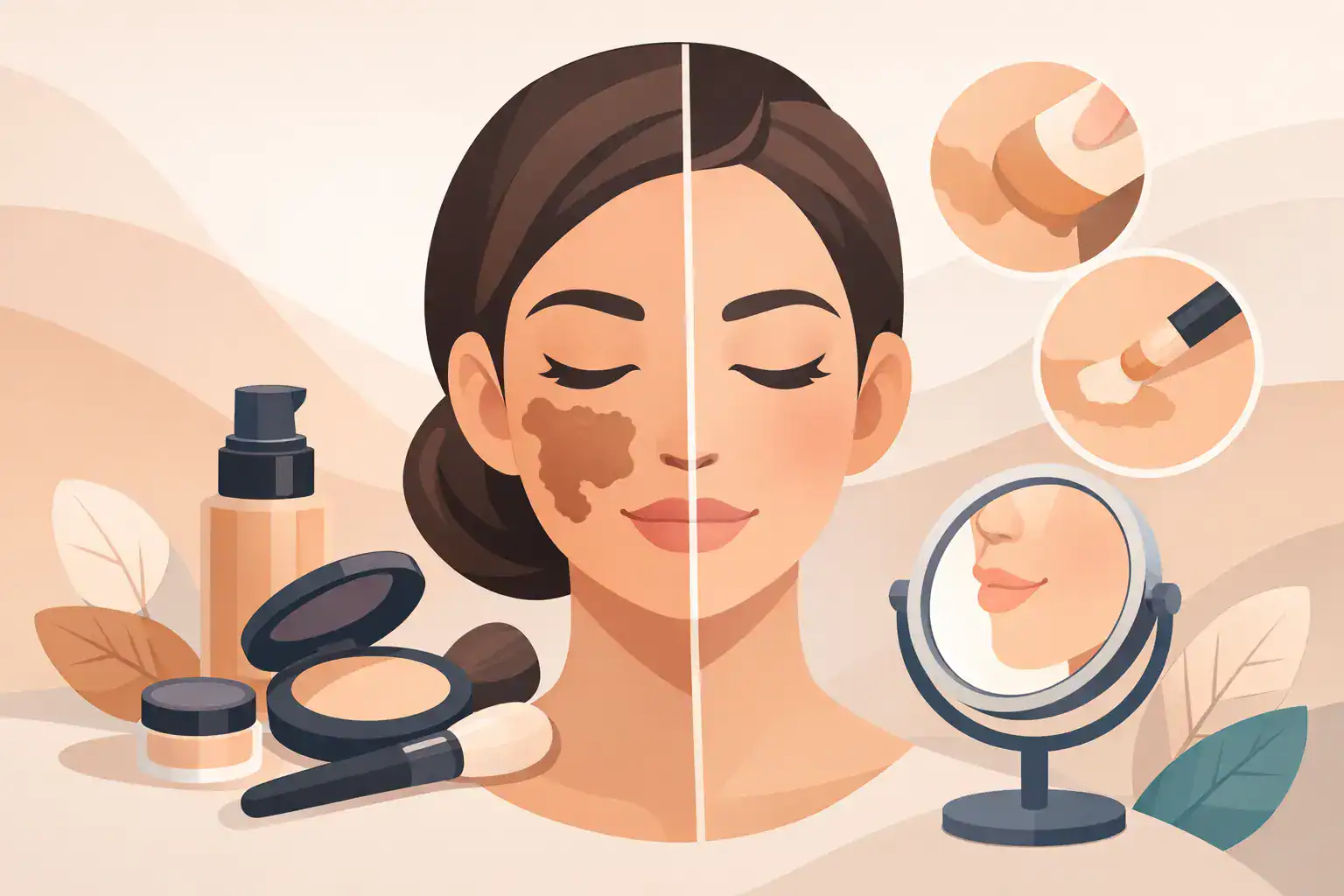
A birthmark can be a defining feature, a neutral detail, or the one area you instinctively cover before a photo, meeting, or beach day. The best treatments for birthmark coverage are not one-size-fits-all because the right choice depends on the birthmark’s color, texture, location, stability, and your desired level of commitment. The goal should never be a heavy mask. It should be believable, skin-like coverage that lets you move through the world without thinking about it.
For many clients, the decision comes down to daily topical camouflage versus a customized semi-permanent solution. Both have a place. The difference is in convenience, wear, and how naturally the coverage integrates with the surrounding skin.
Start With the Birthmark, Not the Product
“Birthmark” describes a broad range of skin differences. A flat brown or tan pigmented mark behaves differently from a red vascular mark. A raised birthmark, a port-wine stain, or an area with substantial textural change requires a different conversation than a stable, flat area of hyperpigmentation.
Before pursuing coverage, have any changing, symptomatic, newly appearing, or medically unevaluated mark assessed by a qualified medical professional. Cosmetic camouflage is intended to reduce the visible contrast of a stable skin feature. It is not a substitute for diagnosis or treatment of a medical condition.
Once a mark has been cleared for cosmetic coverage, the most effective plan begins with an honest assessment. Is the skin flat? Does the color shift throughout the day? Is the area exposed to friction, sun, shaving, or facial movement? Is the client looking for event-ready coverage, or freedom from a daily makeup routine? These details determine whether makeup, medical treatment, cosmetic pigmentation, or a combination will deliver the best result.
Best Treatments for Birthmark Coverage: Your Main Options
High-performance camouflage makeup
Professional-grade camouflage makeup remains an excellent option for temporary birthmark coverage. Modern formulas can offer substantial pigment with a more refined finish than conventional foundation, especially when color correction is used first. Peach or orange tones can help neutralize darker brown or blue-gray discoloration, while green-toned correction may reduce the appearance of red or pink marks before skin-tone coverage is applied.
This approach is ideal for someone who wants flexibility, is preparing for a specific event, or has a birthmark whose appearance changes enough that a fixed pigment match would not be appropriate. It can also be the right starting point for clients who want to test the emotional effect of coverage before choosing a longer-lasting procedure.
The trade-off is maintenance. Even excellent makeup requires application, setting, touch-ups in heat or humidity, and careful removal. It may transfer onto clothing or bedding, settle into texture, and look more detectable at close range if too much product is used. For a face, neck, chest, or hand that is visible every day, the routine can become exhausting.
Dermatologic treatment for color reduction
Certain birthmarks may respond to dermatologist-directed treatment, including laser therapies designed for vascular or pigment-related concerns. When clinically appropriate, reducing redness or darkness first can make later cosmetic coverage easier and less noticeable.
This route is not always simple or predictable. Results vary by birthmark type, depth, skin tone, and treatment history. Multiple sessions may be needed, and some treatments involve temporary redness, swelling, or recovery time. For clients with deeper skin tones, selecting an experienced medical provider is particularly important because post-inflammatory pigment changes can be a concern.
Dermatologic treatment and cosmetic camouflage are not competing choices. In some cases, they work best as part of a staged plan: address a treatable component medically, allow the skin to stabilize fully, then refine residual color variation through expertly matched camouflage.
Custom semi-permanent cosmetic pigmentation
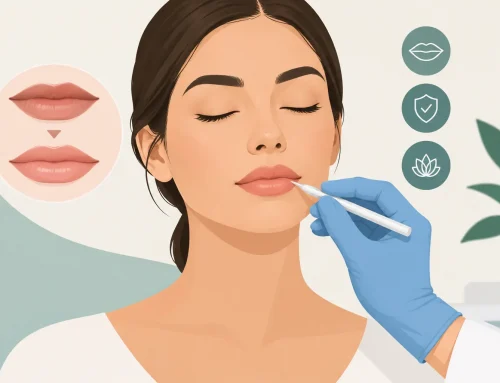
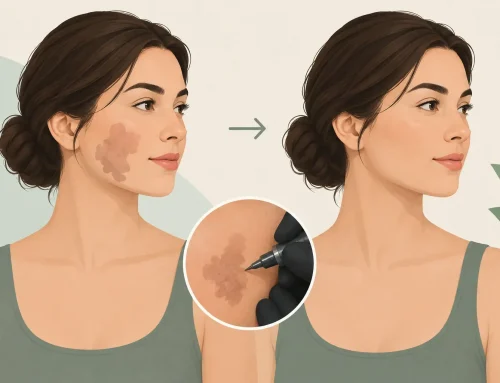
For flat, stable birthmarks, custom cosmetic pigmentation can be a transformative option. Rather than applying opaque makeup each morning, the practitioner deposits carefully selected pigment to visually soften the contrast between the birthmark and surrounding skin.
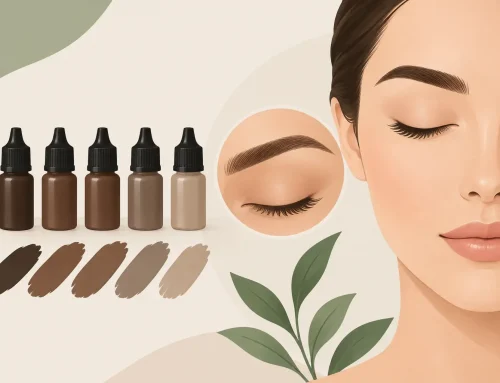
The distinction between expert camouflage and standard tattooing matters. Skin is not a single flat color. It contains warmth, coolness, translucency, freckles, undertones, and shifts in pigment from one small area to the next. A convincing result requires custom color formulation, controlled placement, and a technique designed to build coverage gradually rather than force an artificial-looking block of color into the skin.
At MicroArt, camouflage work is approached as precision cosmetic artistry, using proprietary equipment and custom-blended mineral-based pigments to create a refined, natural-looking result. The objective is not to erase the skin’s character. It is to reduce the visual interruption so the area reads as more even from normal social distance and in everyday light.
This treatment is especially attractive for clients who want to swim, exercise, travel, and wake up without rebuilding coverage from scratch. Semi-permanent pigmentation also avoids the daily friction of layering full-coverage products over the same area.
Its trade-off is that it requires a high level of provider judgment. Pigment must be matched not only to the skin today, but with consideration for how the surrounding complexion may tan, fade, or change seasonally. It is typically a process, not a single appointment, because careful layering produces a more elegant result than over-saturating the skin at the start.
Surgical options for selected birthmarks
For certain raised, localized, or medically indicated birthmarks, surgical removal or revision may be discussed with a qualified physician. This is a medical decision, not a cosmetic shortcut. Surgery can replace one visible concern with a scar, and the healing process can involve downtime and variable pigment response.
When surgery is appropriate, cosmetic camouflage may still have a role after complete healing. Scar or pigment camouflage can help soften remaining color contrast, provided the tissue is mature, stable, and suitable for treatment.
Why Color Matching Is the Entire Treatment
Most disappointing camouflage results are not caused by a lack of pigment. They are caused by poor color judgment. A shade that looks correct under treatment-room lighting may appear too pink in daylight, too yellow in flash photography, or too opaque beside untreated skin.
A specialist should evaluate the undertone of both the birthmark and the surrounding area. Brown marks may have red, olive, gray, or golden influence. Lighter skin can have translucency that changes across the face and body. Darker skin tones require particular depth and nuance to avoid an ashy, flat, or mismatched result.
Texture matters as much as color. Cosmetic pigmentation can improve the appearance of color irregularity, but it does not flatten raised skin, remove pores, or erase a structural difference. A premium consultation sets that expectation clearly. The best result is often a softened, less conspicuous birthmark, not an unrealistic promise of invisible skin at every distance and under every light.
Who Is a Strong Candidate for Semi-Permanent Coverage?
The strongest candidates generally have a birthmark that is flat, stable, fully evaluated when necessary, and free from active irritation or infection. They understand that camouflage is customized and that maintenance may be needed over time as the skin naturally changes.
Clients should also be willing to follow pre- and post-treatment instructions. Sun exposure, tanning, exfoliating acids, retinoids, and certain skincare practices can affect the appearance of the surrounding skin and the longevity of cosmetic pigment. A thoughtful plan accounts for the client’s real lifestyle, not just their desired before-and-after image.
Semi-permanent coverage may not be the first recommendation for active skin conditions, recently treated areas, unstable pigmentation, or significantly raised birthmarks. In those situations, a specialist may advise waiting, seeking medical guidance, or using high-performance makeup as the more appropriate option.
What a Premium Camouflage Experience Should Include
A serious birthmark camouflage procedure should begin long before pigment is placed. Expect a detailed visual evaluation, discussion of treatment history, assessment of skin tone in balanced lighting, and a transparent conversation about what the procedure can and cannot improve.
The application itself should be controlled, precise, and conservative. Natural results are built through subtle layers. Rushing to maximum coverage can create an opaque patch that is more noticeable than the original birthmark, particularly once the skin heals and the surrounding complexion changes.
Aftercare should be equally clear. Even procedures designed around minimal interruption require respect for the treated area. Your provider should explain what to avoid, how healing may affect the initial appearance, when to return for refinement, and how sun protection supports a consistent result.
Choose the Result That Fits Your Life
The right treatment is the one that matches your skin, your routine, and your threshold for maintenance. Makeup offers flexibility and immediate control. Medical treatment may reduce certain forms of discoloration. Expert semi-permanent pigmentation can offer the most convenient path for a stable, flat birthmark when natural color matching and discretion are non-negotiable.
A well-designed camouflage plan does more than cover a mark. It gives you the option to stop planning around it.