

A scar can change the way light reflects from the skin long after the original injury has healed. That is why the question, can scar camouflage match skin, deserves more than a simple yes or no. With the right candidate, advanced pigment matching, and a highly controlled technique, cosmetic scar camouflage can make a scar far less noticeable. It does not erase scar tissue or make every scar identical to surrounding skin, but it can restore visual continuity with remarkable subtlety.
For clients who have spent years concealing a surgical scar, burn scar, stretch marks, or trauma-related discoloration with makeup, the goal is usually not perfection under a magnifying glass. It is freedom from seeing the scar first in every mirror, photograph, and changing room. A sophisticated camouflage procedure is designed around that real-world result.
Can Scar Camouflage Match Skin Exactly?
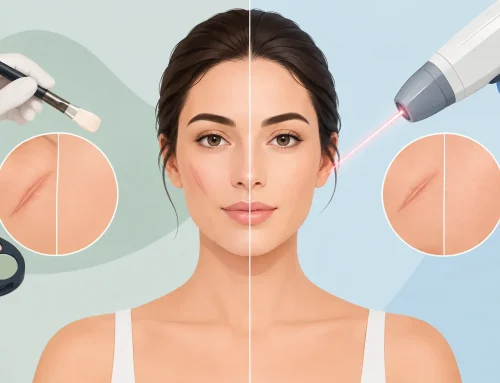
Scar camouflage uses custom-blended mineral pigments to reduce the contrast between a scar and the healthy skin around it. A skilled specialist studies not only the surface color of the skin, but also its undertone, warmth, depth, translucency, and how it shifts in different lighting. This is why a standard flesh-toned pigment is rarely enough.
The most natural result is a close visual match, not an artificial block of opaque color. Healthy skin has variation. It may be warmer near the cheeks, cooler on the legs, deeper after sun exposure, or affected by veins, freckles, and natural pigment movement. A premium approach respects those variables and builds color gradually rather than trying to cover the scar in one heavy application.
Exact matching depends on the scar itself. Flat, stable scars with a distinct color difference often respond beautifully because the primary issue is contrast. A pale scar against medium or deep skin, for example, may become significantly less visible when carefully toned to integrate with the surrounding complexion. Raised, indented, shiny, or highly textured scars can still be improved, but texture may remain visible even when the color is expertly balanced.
The Difference Between Camouflaging Color and Treating a Scar
Scar camouflage is a cosmetic pigmentation procedure. It addresses how a scar looks, not the underlying structure of scar tissue. It cannot flatten a hypertrophic scar, release a tethered scar, remove a keloid, or restore normal pores and skin elasticity.
That distinction matters because it leads to better expectations. When a scar has a smooth or mostly smooth surface but looks lighter, darker, redder, or otherwise disconnected from the surrounding skin, camouflage may be an exceptional option. When the scar has significant elevation, depression, active redness, or ongoing medical symptoms, a medical provider or scar-treatment specialist may need to address those concerns before cosmetic pigmentation is considered.
The strongest results come from treating camouflage as precision color correction. The eye notices contrast quickly. When the difference in color is reduced, the scar often recedes visually, even if close inspection still reveals its texture.
Why Scar Maturity Determines the Result
A scar should be fully healed and stable before any cosmetic camouflage procedure. Fresh scars are still changing. They may be red, pink, purple, tight, itchy, or actively remodeling beneath the surface. Introducing pigment too early can create unpredictable color retention and may interfere with the healing process.
In many cases, a scar needs at least 12 months to mature, though healing timelines vary based on the injury, surgery, location, individual skin behavior, and medical history. The scar should be closed, free of scabbing or inflammation, and no longer undergoing obvious color changes. Clients prone to keloids or abnormal scarring require especially careful screening.
Sun exposure also affects timing and color selection. Tanned skin is not a reliable baseline for pigment matching because the surrounding complexion may lighten later while the implanted pigment remains relatively stable. For the most believable outcome, color should be selected against the client’s natural, untanned skin tone whenever possible.
A consultation should assess more than color
Before treatment, an experienced provider evaluates the scar’s age, location, texture, sensitivity, medical history, and response to prior procedures. They also assess the surrounding skin under professional lighting and discuss how the area is likely to behave over time.
This is not a situation for guessing from a single photo or choosing a premixed shade. Scar tissue does not always retain pigment like healthy skin. It can absorb color unevenly, heal lighter than expected, or require a more conservative first session. A specialist plans for this reality instead of promising a one-session transformation for every client.
How Custom Pigment Matching Creates a Natural Finish
High-level scar camouflage is equal parts color science and restraint. Pigment may need to be adjusted for undertones such as golden, olive, peach, red, neutral, or cool. The target shade must also account for depth: a color that appears correct when first applied can heal differently once the skin settles.
The procedure is typically approached in layers. A delicate first pass allows the provider to observe how the scar tissue accepts the pigment. Subsequent refinement can bring the color closer to the surrounding skin without overloading the area. This measured process is one reason natural-looking camouflage may require more than one appointment.
At MicroArt, proprietary precision equipment and custom-blended mineral pigments are used to create soft, skin-like correction without the harsh color shifts commonly associated with traditional tattooing. The aim is not to make the scar look tattooed. It is to make the transition between scar and skin difficult to detect at a normal conversational distance.
Why traditional tattoo techniques can look unnatural
Traditional body tattoo ink is formulated for saturated, expressive color. Scar camouflage requires the opposite: nuanced, low-contrast color that mimics the visual character of skin. An overly dense application can look flat, gray, peach, or conspicuously opaque as it heals.
Technique matters just as much as pigment. Scar tissue can be delicate, and aggressive application may create unnecessary trauma. Modern cosmetic camouflage methods are designed to place pigment with control, avoiding the bruising, scabbing, and extended social downtime many clients associate with conventional tattoo procedures.
What Results Look Like in Real Life
The best scar camouflage does not announce itself. In natural light, the scar should blend more gracefully into its surroundings. In photos, at the beach, or while wearing a sleeveless dress, open-back top, or swimwear, the area may no longer draw immediate attention.
Results vary by location. A scar on the chest, abdomen, hip, thigh, or breast area may be easier to visually integrate than a scar on highly mobile skin near a joint. Facial scars require an even more exacting approach because the skin is constantly visible and facial undertones can be complex. Stretch marks can sometimes be camouflaged when they are mature and pale, although a large area may require a staged treatment plan.
Darker skin tones require particular expertise. The goal is never to simply lighten or cover a scar with a generic beige shade. Melanin-rich skin has distinct undertones and can react differently during healing. An experienced specialist selects pigment conservatively and considers the risk of post-inflammatory pigment changes before proceeding.
How Long Does Scar Camouflage Last?
Scar camouflage is considered semi-permanent. Over time, pigment can soften as the skin naturally renews itself and as the body metabolizes the color. Sun exposure, skin-care products, friction, immune response, and the nature of the scar tissue all influence longevity.
A touch-up may be recommended after the initial treatment has fully healed, particularly because scar tissue can reveal its true color retention only after several weeks. Maintenance visits may eventually be desired to preserve the most precise match. This is a trade-off worth appreciating: a softer, semi-permanent result can age more naturally than a dense, permanent tattoo-like deposit.
Clients should also understand that their natural skin color changes. Seasonal tanning, hormonal shifts, new skincare regimens, and aging can alter the skin around the scar. Camouflage pigment remains designed to complement the baseline tone, not chase every temporary shift in complexion.
Who Is a Strong Candidate for Scar Camouflage?
The ideal candidate has a fully healed, stable scar and realistic expectations about what color correction can achieve. They are seeking discretion, not an exaggerated or overly covered appearance. They are also prepared to follow aftercare instructions and allow the skin to heal without picking, excessive friction, or early sun exposure.
A consultation is essential for anyone with a history of keloid scarring, autoimmune concerns, uncontrolled diabetes, active skin conditions, recent surgery, pregnancy, or a scar that is painful, inflamed, or changing. In some situations, the right recommendation is to wait. A responsible specialist protects the long-term appearance of your skin rather than treating every scar immediately.
The most meaningful outcome is often quiet confidence: wearing what you want, stepping into bright light, or standing close to someone without instinctively covering the area. When scar camouflage is designed around your individual skin rather than a generic pigment chart, subtlety becomes the luxury.