
A beautifully balanced brow can change the entire expression of the face, but the wrong technique can be just as noticeable. The best eyebrow enhancement options are not necessarily the boldest or most permanent. They are the treatments that respect your natural bone structure, skin tone, hair pattern, and lifestyle while giving you the definition you want every morning.
For some clients, that means a better pencil and a five-minute routine. For others, it means a highly refined semi-permanent procedure designed to replace years of filling, correcting, and worrying about uneven brows. The right choice depends on the result you want, the amount of maintenance you accept, and how natural you expect your brows to look at close range.
The Best Eyebrow Enhancement Options, Compared
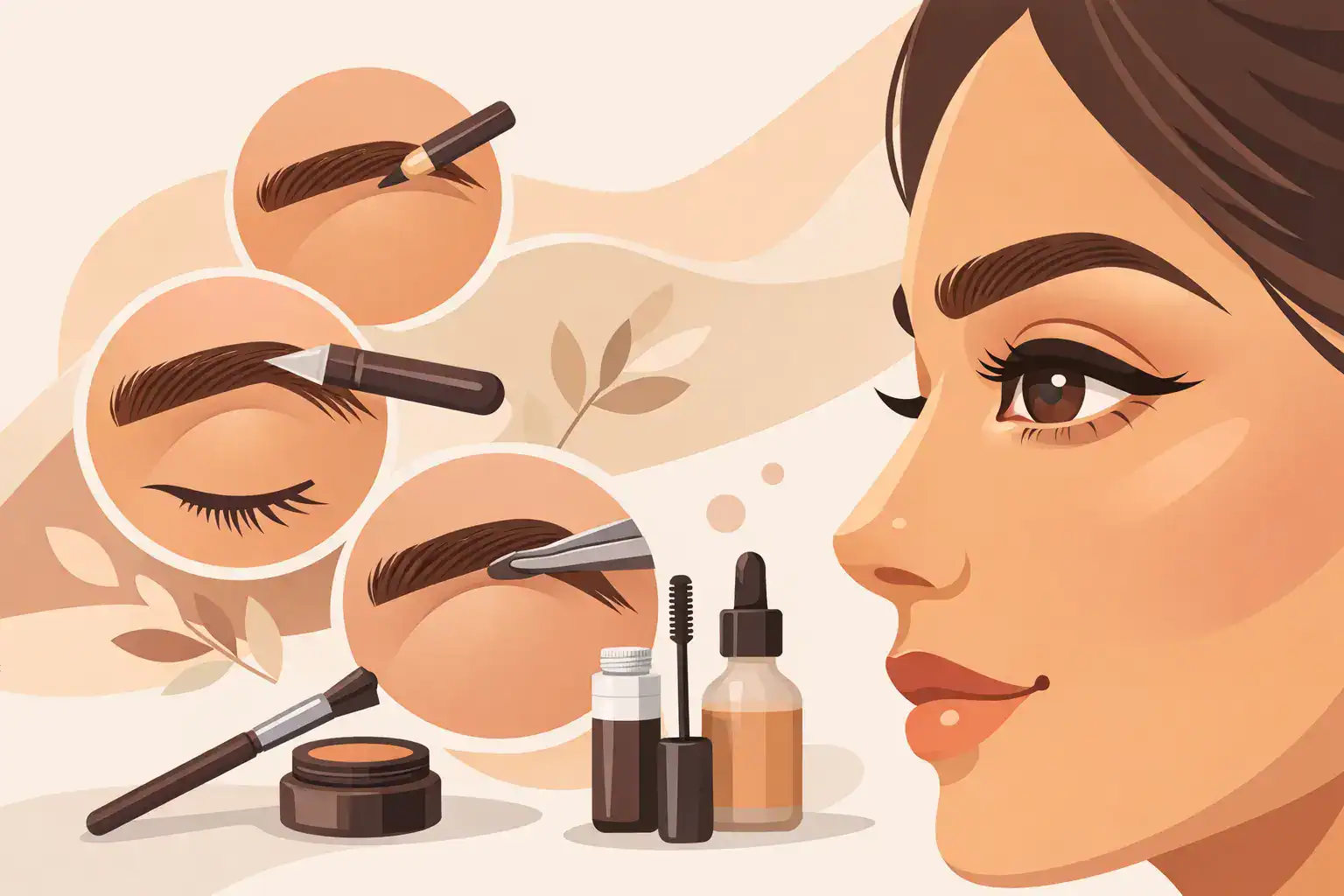
Eyebrow enhancement ranges from temporary cosmetics to cosmetic tattooing. The differences matter because each option creates a different finish, requires a different level of upkeep, and carries its own limitations.
Brow pencils, powders, and pomades
Traditional makeup remains the fastest, most flexible route to fuller-looking brows. A fine pencil can mimic individual hairs, while powder softly fills sparse areas. Pomade delivers more definition and hold, making it useful for clients who prefer a polished, structured brow.
The advantage is control. You can change the shape, intensity, and color whenever you want. The drawback is the daily commitment. Makeup can smudge with heat, workouts, swimming, or long travel days, and even a skillful application may look flat or overly drawn-on in certain lighting. It is a practical option for experimenting with shape before committing to a longer-lasting treatment.
Brow tinting and henna
Tinting darkens existing brow hairs, making them appear fuller and more visible without changing the skin beneath them very much. It works best for clients who already have a good amount of hair but want more contrast, particularly those with light, gray, or sun-faded brows.
Results are subtle and short-lived. Standard tint generally lasts weeks rather than months, and the skin stain from henna fades relatively quickly. Tinting cannot convincingly rebuild a brow that is sparse, patchy, asymmetrical, or missing due to overplucking, alopecia, scarring, or hair loss. It enhances what is there rather than creating the appearance of density where there is none.
Brow lamination
Lamination restructures the direction of existing brow hairs, brushing them upward and outward for a fuller, feathered appearance. It can be especially flattering for brows with long hairs that grow downward or unevenly.
The finish is fashion-forward and can look striking when performed with restraint. Still, it depends entirely on having enough natural hair to work with. It also does not add color or fill gaps, and repeated chemical processing may not suit every hair type. Clients seeking an elegant, low-maintenance brow should view lamination as styling, not restoration.
Microblading
Microblading uses a handheld blade to create fine, hair-like strokes in the skin. It became popular because it promised the appearance of individual brow hairs, particularly for sparse brows.
When considering microblading, it is essential to understand the trade-off between the initial look and long-term behavior in the skin. Results can vary substantially by artist technique, skin type, pigment selection, and aftercare. Oily skin may blur strokes more quickly. Mature, thin, or textured skin may not retain crisp hair strokes predictably. As pigments age, traditional methods can also shift in color or create a denser appearance than intended.
Microblading may suit select candidates, but it is not automatically the best choice for every person who wants natural-looking brows. The finer and more realistic the intended result, the more important it becomes to choose a specialist who understands both facial design and pigment behavior over time.
Powder brows and ombré shading
Powder brows create soft pixelated shading that resembles a refined brow makeup finish. Ombré techniques typically place more depth through the tail and a lighter transition toward the front. These methods can be effective for clients who like the look of softly filled brows and want longer-lasting definition than makeup provides.
Compared with microblading, shading can be more forgiving on oily skin and may heal with a more consistent visual result for some clients. However, it can still look too saturated if the color, density, or shape is overdesigned. A strong brow may photograph well, but the most desirable result for many luxury clients is one that remains believable in daylight, at dinner, and without the rest of their makeup.
Advanced semi-permanent eyebrow enhancement
For clients who want polished definition without a visibly tattooed brow, advanced semi-permanent techniques offer a more sophisticated category of treatment. Rather than relying on a one-size-fits-all brow template, the procedure should be tailored to the client’s existing hair, facial proportions, skin tone, and desired level of softness.
At MicroArt, proprietary equipment and custom-blended mineral-based pigments are used to create exceptionally natural-looking brow enhancement without the harshness often associated with conventional permanent makeup. The objective is not to stamp a new brow onto the face. It is to build believable dimension, correct visual imbalance, and create the impression of naturally fuller, more complete brows.
This approach is particularly relevant for clients who have spent years drawing brows on after overplucking, hormonal changes, medical hair loss, or previous cosmetic tattooing that no longer suits them. It can also be a discreet option for men who want more balanced brows without an obvious makeup effect.
How to Choose the Right Brow Treatment
The best procedure begins with a candid assessment, not a trend. Start with the amount of natural hair you have. If your brows are full but pale, tinting may be enough. If the hairs are present but unruly, lamination may deliver the improvement you want. If you are filling gaps daily or trying to recreate an entire brow, a custom semi-permanent solution may offer far more value over time.
Your skin also matters. Oil production, texture, sensitivity, previous tattooing, and sun exposure can all affect the way pigment heals and ages. A responsible provider should explain what is realistic for your skin rather than promising identical results for every client.
Then consider your preferred aesthetic. Do you want a defined makeup look, or do you want people to notice your eyes and not your brows? These are very different goals. The most flattering brow is usually not the darkest, highest, or most sharply outlined one. It is the one that appears to belong to your face.
What Natural Results Actually Require
Natural-looking eyebrow enhancement is a technical result, not simply a softer color choice. It requires careful mapping to avoid forcing symmetry where the face is naturally asymmetrical. It requires pigment selection that complements both skin undertone and existing brow hair. And it requires disciplined restraint in the front of the brow, where excessive density can immediately create an artificial block effect.
A premium procedure should also account for the way you live. If you routinely exercise, swim, travel, or simply want to leave the house without rebuilding your brows, convenience is part of the outcome. At the same time, longer-lasting does not mean you should accept a permanent-looking result. The ideal enhancement offers freedom from daily makeup while preserving softness and flexibility as your style evolves.
Questions to Ask Before Booking
Before choosing any cosmetic brow procedure, ask to see healed results, not only freshly completed photos. Fresh pigment can appear richer and sharper than it will after healing, so healed work is the more honest measure of an artist’s technique.
Ask how the provider approaches color selection, whether they work with your skin type and tone regularly, and what the maintenance plan looks like. If you have prior permanent makeup, scars, alopecia, or very little natural hair, bring that up early. These situations require individualized planning rather than a standard appointment.
You should also feel comfortable asking about downtime. Some treatments involve visible healing stages, including redness, scabbing, or temporary color changes. Others are designed around a more discreet experience. The right answer depends on your schedule, privacy preferences, and tolerance for recovery, but it should never be a surprise.
The most rewarding brow treatment is the one that makes your routine feel lighter while keeping your appearance unmistakably your own. Choose a method for its precision, its suitability for your skin, and the quality of its healed result – then let your brows do their work quietly.