
For many women, breast surgery areola tattoo results are the moment reconstruction begins to feel complete. The breast mound may be restored, scars may be healing well, and clothing may fit differently, yet the absence of an areola can leave the result feeling unfinished. A precisely designed areola tattoo can restore visual balance, recreate the appearance of dimension, and help the breast look more familiar in the mirror.
This is not standard body art. High-level areola restoration is a specialized form of cosmetic camouflage that requires an advanced understanding of skin tone, surgical changes, pigment behavior, and optical illusion. The goal is never a stamped-on circle or an overly dark result. It is a refined, believable areola that belongs to the individual breast and remains soft-looking as the skin settles.
What Breast Surgery Areola Tattoo Results Can Achieve
An areola tattoo can create the appearance of an areola and, when appropriate, a three-dimensional nipple effect without additional surgery. For clients who have had mastectomy reconstruction, breast reduction, breast lift, implant surgery, or corrective breast procedures, this final detail can make a significant aesthetic and emotional difference.
Exceptional results are built around proportion. The artist evaluates breast shape, scar placement, symmetry, skin texture, and the client’s natural coloring. If one natural areola remains, it becomes an invaluable reference for diameter, edge softness, pigment variation, and the subtle irregularities that make anatomy look real. When both areolas need restoration, the design must be created to complement the reconstructed breasts rather than follow a generic template.
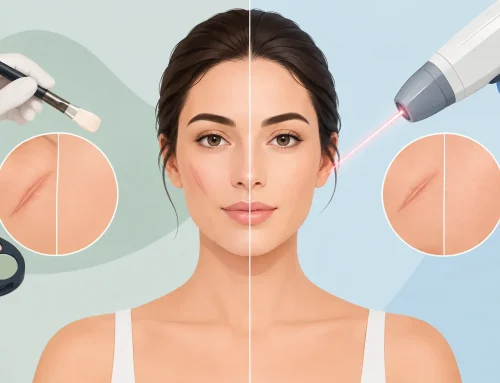
The most natural-looking work rarely appears flat or uniformly colored. A skilled specialist layers custom-blended tones to create gentle transitions from the outer areola toward the center. Tiny shifts in warmth, depth, and opacity can make the difference between a cosmetic tattoo that looks visible and one that reads as natural anatomy from a normal viewing distance.
The Details That Separate Natural Results From Obvious Ones
A beautiful healed result is not simply about choosing a brown, pink, or rose pigment. It is about choosing the right version of that color for the client’s skin, scar tissue, and desired level of definition.
Color Is Custom, Not Selected From a Chart
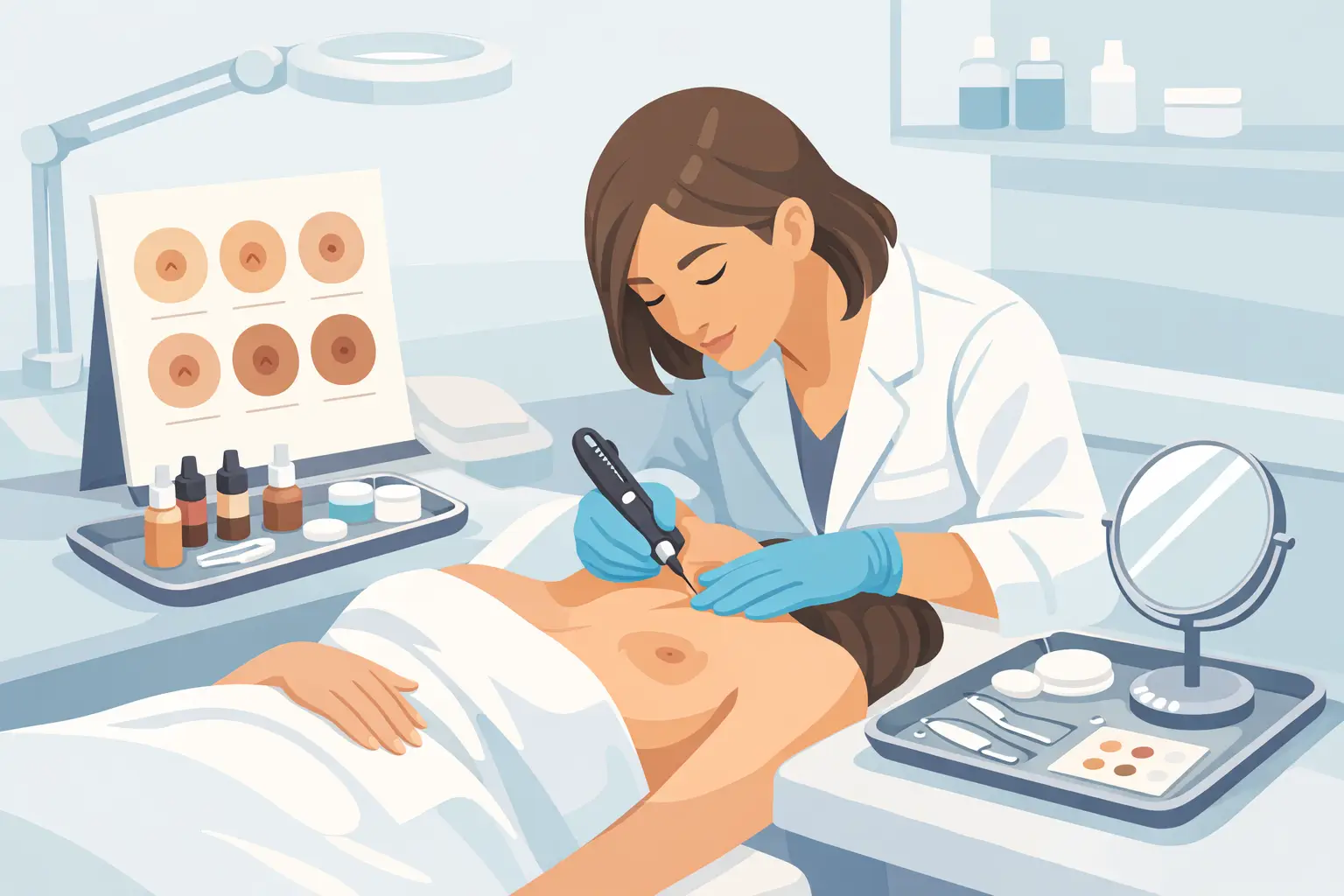
Skin undertones vary dramatically, particularly after surgery, radiation, or changes in circulation. A pigment that looks correct immediately after treatment may heal differently depending on the tissue. Custom mineral-based pigment blending gives the specialist greater control over warmth, saturation, and softness, helping the areola integrate naturally with surrounding skin.
Clients with deeper skin tones deserve the same level of precision, not a one-color approach. Richer complexions often require carefully balanced pigment choices to avoid a result that heals ashy, too cool, or unnaturally dark. For lighter complexions, the challenge may be avoiding a result that is too pink, too orange, or too sharply outlined.
Dimension Comes From Technique
A 3D nipple-areola tattoo is an optical effect. It uses strategic highlights, shadows, edge diffusion, and subtle texture to suggest projection. The strongest results are usually understated. Overly dramatic highlights or harsh shadows can look artificial once healed, especially in direct light or close-up photographs.
Not every client wants or needs the appearance of a nipple. Some prefer a soft, flat areola restoration, while others have surgically reconstructed nipples that need color refinement around them. The best design is personal, not predetermined.
Scar Tissue Changes the Plan
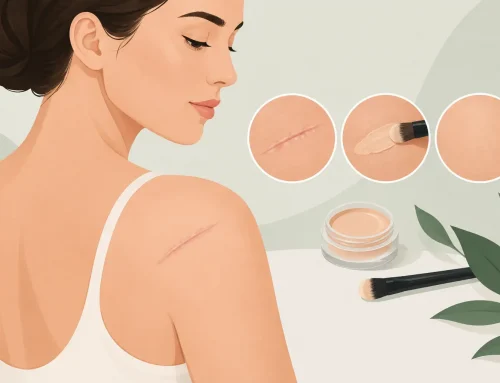
Healed scars can accept pigment differently than unaffected skin. They may be thicker, thinner, less elastic, or uneven in tone. That does not automatically prevent excellent results, but it can affect the number of sessions required and how conservative the first treatment should be.
An experienced provider evaluates whether scars are fully mature, stable, and appropriate for tattooing. In many cases, waiting is part of achieving the best outcome. Tattooing tissue before the surgeon has cleared it or before swelling and scar maturation have progressed can compromise symmetry and pigment retention.
When Areola Tattooing Is Usually Appropriate
Timing should be guided by the surgical team and the condition of the skin, not by a calendar alone. Many clients are considered after reconstruction has healed and scars have matured, often several months after their final breast surgery. Radiation, revisions, infections, active skin irritation, and ongoing treatment may require more time.
A consultation should account for the full surgical history. This includes the type of reconstruction, whether implants or flap procedures were used, the presence of nipple reconstruction, prior radiation, and any sensitivities or pigment concerns. A premium clinical approach begins with this assessment rather than treating every post-surgical breast the same way.
For clients traveling to Beverly Hills, planning matters. While a properly performed semi-permanent cosmetic tattoo is designed around minimal disruption, healing still needs to be respected. The skin may appear more saturated immediately after treatment, then soften as it heals. A follow-up session is often recommended to refine color, adjust balance, and address areas where scar tissue retained pigment differently.
What Healing Really Looks Like
Fresh areola tattoos do not represent the final result. Immediately after the procedure, color can appear stronger, warmer, or more defined than the healed outcome. As the skin recovers, the pigment settles and the appearance becomes softer.
Clients should expect a healing period in which the area is protected from friction, soaking, heat exposure, and unnecessary irritation. Following aftercare instructions is essential because healing conditions directly affect pigment retention and the evenness of the final color. Picking, exfoliating, or applying unapproved products can interfere with the result.
There is no universal healing outcome. Skin that has been radiated, scarred, or reconstructed may retain color less predictably, which is why a touch-up is not a failure. It is often a deliberate part of precision work. The first session establishes the foundation; the refinement session perfects the tone, saturation, and symmetry after the skin reveals how it has healed.
How Long Do Results Last?
Areola restoration is often described as semi-permanent because pigment naturally softens over time. Longevity depends on skin type, immune response, sun exposure, medications, scar tissue, pigment formulation, and aftercare. Some clients enjoy their result for years before wanting a color refresh, while others may notice fading sooner.
A controlled fade is preferable to the harsh blue, gray, red, or sharply edged changes associated with older tattoo techniques and lower-quality pigments. The objective is a result that ages gracefully and can be refreshed thoughtfully as the client’s skin and preferences evolve.
Maintenance is also an opportunity to reassess symmetry. Weight changes, future procedures, implant adjustments, and natural aging can alter breast shape. A specialist can advise whether a straightforward color enhancement is appropriate or whether the design should be subtly updated.
Choosing a Provider for Areola Restoration
The provider’s portfolio should show healed work, not only freshly completed procedures. Look closely at whether areolas appear individualized, whether edges are soft, and whether color is believable across different skin tones and surgical situations. Surgical camouflage requires a different skill set than decorative tattooing or conventional permanent makeup.
Ask how pigments are selected, how scar tissue is assessed, whether a touch-up is anticipated, and how the provider approaches asymmetry. Perfect mirror-image breasts are not realistic for every surgical result. The right goal is visual harmony, not an artificial version of perfection.
At MicroArt, areola restoration is approached as precision cosmetic camouflage, using proprietary methods and custom-blended pigments to prioritize a natural, refined appearance. The work should respect both the technical reality of surgery and the deeply personal meaning of seeing your body feel more like your own again.
The most meaningful result is often quiet: an areola that does not announce itself as a tattoo, but restores a sense of proportion, confidence, and choice every time you get dressed or look in the mirror.