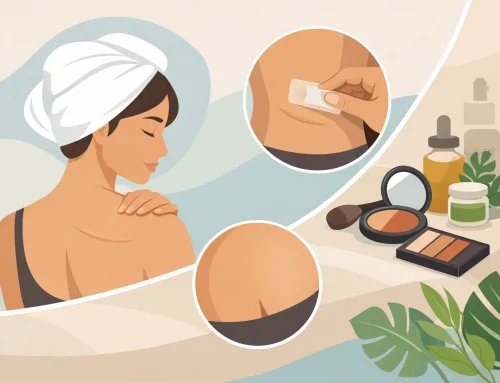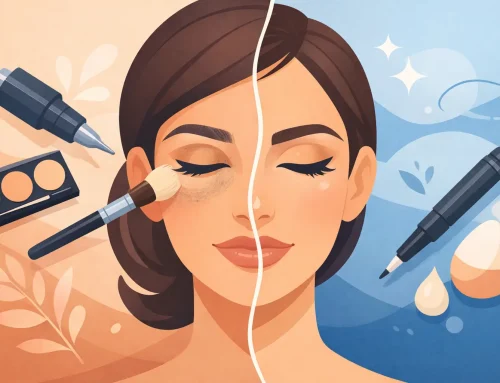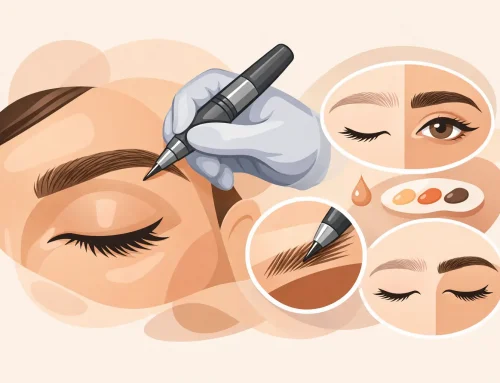

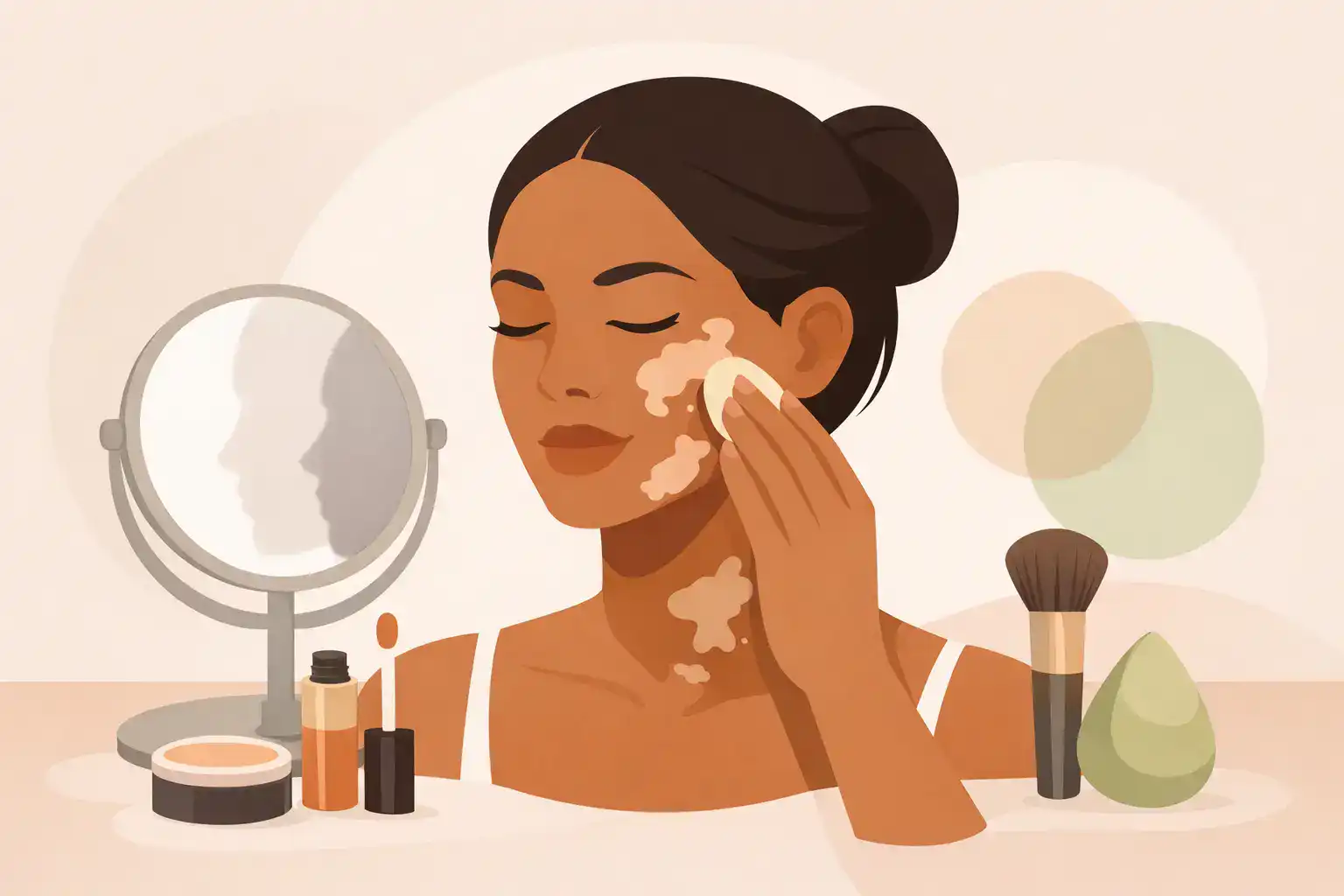
A pale patch can become the first thing you see in the mirror, even when no one else notices it. Learning how to cover vitiligo patches is not about hiding who you are. It is about having control over your reflection, whether you want coverage for a dinner, a beach vacation, a professional setting, or every ordinary day in between.
The right option depends on where the patch is, how much contrast exists between your natural skin tone and the depigmented area, whether your vitiligo is stable, and how long you want the result to last. A lightweight complexion product may be perfect for one person. Another may want a more refined, longer-lasting cosmetic camouflage solution that does not transfer onto clothing or disappear by midday.
Start With the Right Goal: Temporary or Longer-Lasting Coverage
Temporary makeup offers flexibility. It allows you to cover vitiligo patches when you choose, adjust your color as your skin changes with the seasons, and remove everything at night. It is often the best place to start when a patch is newly visible, your skin is sensitive, or the area is still changing.
Longer-lasting cosmetic camouflage is designed for clients who are tired of daily application and want natural-looking color that stays in place. This is not the same as conventional permanent makeup. The quality of the pigment, the precision of the application, and the practitioner’s ability to read undertones are what determine whether the result looks like skin or like makeup sitting on top of it.
Before considering any pigment-based camouflage procedure, vitiligo should be assessed for stability. If patches are expanding, new patches are appearing, or the skin is irritated, a dermatologist should guide the timing. Camouflaging active vitiligo may not deliver the consistent result you want, and skin trauma can be a concern for some people with vitiligo.
How to Cover Vitiligo Patches With Makeup
The most convincing makeup coverage comes from color correction and thin, controlled layers – not from applying the heaviest foundation you can find. The goal is to visually reduce contrast while preserving the natural texture of skin.
Match the skin around the patch, not the patch itself
This is where many people go wrong. A depigmented patch does not need a generic beige product. It needs a shade that reflects the surrounding skin’s depth and undertone. That undertone may be golden, olive, peach, red, neutral, or a combination that shifts across different areas of the body.
Test a small amount of product along the edge where the patch meets pigmented skin. The correct shade should soften that transition without creating a clearly outlined circle. Daylight is the most honest test. Bathroom lighting can make a match look perfect until you step outside.
Build coverage in light layers
Begin with clean, dry, well-moisturized skin. If the area is dry or textured, give moisturizer time to settle before applying any coverage. Press a high-pigment concealer, body foundation, or professional camouflage cream into the patch with a small brush, sponge, or fingertip. Do not drag the product across the skin.
Allow the first layer to set, then add only where the contrast remains visible. Feather the edges outward into the surrounding skin. A dense layer may cover white pigment initially, but it can crack, collect in lines, or look unnatural when the skin moves.
For facial areas, a thin complexion product over the entire section of the face can make the transition less detectable than spot-concealing alone. On the hands, neck, chest, arms, or legs, a body formula with a natural satin finish is often more believable than a matte, mask-like product.
Set it for real life
Coverage that looks beautiful for five minutes is not enough. If you need it to last through heat, movement, a handshake, or an event, press translucent setting powder over the covered area and finish with a transfer-resistant setting spray. Let each layer dry fully before dressing.
Waterproof products can be valuable for body coverage, but they still have trade-offs. Some feel heavier, take longer to remove, or can transfer if applied too thickly. A trial run at home is far better than discovering those limitations just before an important occasion.
The Details That Make Camouflage Look Like Skin
Color is only one part of the result. Real skin has variation, softness, and movement. Coverage becomes more convincing when you respect those details rather than trying to make every inch identical.
Avoid overly matte finishes on areas that naturally have a slight sheen, such as the cheeks, shoulders, chest, and legs. Likewise, avoid shimmer on raised, textured, or very dry areas, where it can draw attention to the surface. If the patch crosses an area with freckles, beauty marks, or natural tonal variation, a completely flat block of color may look less natural than a softly blended correction.
Sun exposure also changes the equation. Tanning darkens surrounding skin and can make vitiligo patches appear more pronounced, creating a moving target for shade matching. Broad-spectrum sunscreen helps protect the depigmented skin, which burns more easily, and minimizes dramatic contrast changes that can make makeup matching harder.
When Cosmetic Camouflage May Be the Better Choice
Daily makeup can be empowering, but it is not always convenient. Clients often explore semi-permanent cosmetic camouflage when they have stable vitiligo and want to spend less time blending, setting, checking transfer, and reapplying. It can be especially appealing for areas that are difficult to cover consistently, such as the hands, neck, chest, or large areas of the body.
A premium approach to vitiligo camouflage begins with custom color formulation, not a preselected pigment. Skin tone is multidimensional, and a shade that looks right under clinic lighting must also remain natural in daylight. The treatment should be carefully layered and calibrated to the skin, with a conservative approach that allows color to be refined over sessions when needed.
This is a corrective aesthetic procedure, not a one-size-fits-all tattoo. Traditional tattoo methods can place pigment too deeply, heal unpredictably, or create color that later appears too warm, cool, gray, or obvious. Well-executed cosmetic camouflage prioritizes diffusion, undertone, and a skin-like finish over immediate intensity.
At MicroArt, this work is approached as precision cosmetic camouflage using custom-blended mineral-based pigments and technology designed for highly natural-looking results. A consultation should always include an honest discussion of stability, skin behavior, realistic color matching, maintenance, and whether the area is appropriate to treat.
Questions to Ask Before Choosing a Provider
A provider’s portfolio should show healed results in varied lighting, not only freshly completed work. Ask whether they have specific experience camouflaging vitiligo, how they assess skin stability, how they formulate color for your undertone, and what their approach is if the skin changes over time.
You should also ask about expected maintenance. Even advanced cosmetic camouflage is not a promise that your skin will never change. Sun exposure, aging, hormone shifts, and changes in surrounding pigmentation can alter the match. A responsible specialist will discuss this clearly rather than promising permanence or a perfect match in every light.
If you have a history of keloid scarring, skin infections, allergies, autoimmune activity, or previous pigment procedures, disclose it before treatment. Medical clearance may be appropriate in some situations. The safest plan is the one built around your skin, not around a rushed appointment.
Give Yourself Permission to Choose Coverage on Your Terms
There is no requirement to cover vitiligo, and there is no single definition of a successful result. Some people want a barely-there correction that reduces contrast. Others want polished, camera-ready coverage that remains undetectable at close range. Both are valid goals.
Start with the option that gives you confidence without adding stress to your routine. If daily makeup feels like a ritual you enjoy, refine your technique and invest in a precise color match. If it feels like a burden, a private consultation with an experienced cosmetic camouflage specialist can help you decide whether a longer-lasting solution fits your skin, lifestyle, and standards for natural beauty.