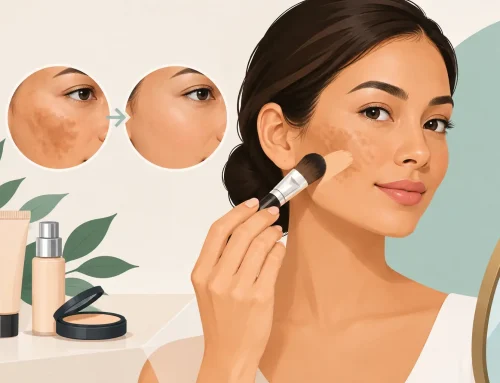


A brow that heals soft brown, then slowly takes on a cool gray or blue cast years later, is one of the reasons discerning clients hesitate before booking permanent makeup. So, will permanent makeup turn blue? It can – but it is not an inevitable outcome, and it should never be dismissed as a normal trade-off for convenience.
Blue or gray discoloration is usually the visible result of pigment chemistry, placement depth, skin changes, and time. The difference between an elegant, believable enhancement and an unwanted blue tone begins long before the procedure itself. It begins with a specialist’s ability to select the right pigment, read the skin accurately, and place color with exceptional control.
Why Permanent Makeup Can Turn Blue
Traditional cosmetic tattooing places pigment beneath the skin, where the body gradually metabolizes, filters, and alters its appearance. As the original color fades, certain cool undertones may become more visible. This is particularly common when a dark brow pigment was selected without enough warmth, or when black-based pigment was used where a softer custom blend would have been more appropriate.
The blue appearance is also partly optical. Skin acts as a filter over implanted pigment. When pigment sits too deeply, the way light reflects through the skin can make it appear cooler, grayer, or bluish. This is often compared to the way a black tattoo can look blue through the skin, even when the original ink was not blue.
For eyebrows, this can mean a once-warm brunette result that eventually looks ashy. In eyeliner, an unintended blue-gray cast may appear when the goal was a clean, refined lash-line definition. The risk is not limited to one procedure, but darker colors and poorly balanced formulas leave less room for error.
The Factors That Raise the Risk of Blue Permanent Makeup
Pigment formulation matters
Not all cosmetic pigments age the same way. A formula with an overly cool base or excessive black can fade unpredictably, especially when it is not calibrated to the client’s skin tone, natural hair color, and desired long-term result. A pigment should not be chosen simply because it looks correct in the cap. It must be selected for how it will settle in living skin and evolve over time.
High-quality mineral-based pigments and thoughtful color theory allow a practitioner to balance warmth and depth without creating an artificial result. This is especially critical for clients with darker skin tones, mature skin, or a history of cosmetic tattooing. These cases demand a personalized plan, not a standard shade applied from a menu.
Depth and technique change the final color
Technique is as important as pigment. Implant color too deeply and it may heal cool, diffuse, or blue-gray. Implant it unevenly and the result can look patchy as it ages. Repeated passes, aggressive pressure, and devices that lack precise control can increase trauma to the skin and create a result that is harder to predict.
This is why traditional methods can carry greater color-shift risk. The goal is not to saturate the skin as heavily as possible. The goal is controlled, strategic color placement that looks soft and believable from every distance.
Your existing work may be the real issue
Many clients asking whether permanent makeup will turn blue already have old work beneath the surface. Previous pigment can influence every correction decision. Even if it looks faint, residual dark, gray, red, or blue pigment may reappear once fresh color is added over it.
Covering old blue brows with a new brown pigment without first assessing the underlying color is not a correction plan. It can create muddiness, uneven fading, or a color that shifts again after healing. In some cases, removal or targeted neutralization may be necessary before pursuing a new result.
Sun exposure, skin care, and time play a role
Ultraviolet exposure can accelerate fading and alter the visual balance of a pigment. Retinoids, exfoliating acids, laser treatments, chemical peels, and certain active skincare products may also affect how cosmetic tattooing retains and fades. Oily skin can diffuse pigment more quickly than dry skin, while immune response, medications, hormones, and natural skin turnover vary from one client to another.
These variables do not mean color change is unavoidable. They do mean no ethical specialist should promise that a pigment will remain completely unchanged forever. The standard should be a carefully designed result with a graceful fade and a clear maintenance strategy.
Will Permanent Makeup Turn Blue on Every Skin Tone?
No. Blue discoloration is not inevitable on any skin tone, but skin tone and undertone absolutely affect pigment selection. Fair skin may reveal cool shifts more visibly because there is less natural warmth masking the pigment. Deeper skin tones require equally sophisticated color planning because an incorrect formula can heal too cool, too flat, or visually disconnected from the complexion.
The answer is never to use one generic pigment for everyone. A premium procedure begins with a direct assessment of skin undertone, skin condition, natural facial coloring, prior procedures, and the client’s actual aesthetic goal. Someone seeking a nearly undetectable brow enhancement needs a different approach than someone who wears defined makeup every day.
A skilled provider also considers whether the color will complement the client without makeup. This is the moment when cosmetic tattooing has to perform at its highest level: it must look intentional in photographs, polished in daylight, and invisible when the client wants it to be.
How to Reduce the Chance of a Blue or Gray Result
The most effective protection is choosing a specialist who treats permanent makeup as a precision color procedure, not a quick beauty appointment. Ask to see healed results, not only fresh post-treatment photographs. Fresh pigment is always more saturated and warm than a healed result. Healed work reveals technique, pigment behavior, and the provider’s ability to create results that remain refined over time.
During a consultation, the provider should discuss your skin type, lifestyle, existing pigment, medications, skincare routine, and color preferences. They should be able to explain why a particular shade and technique suit you. Vague assurances that a color is “universal” or that it will simply fade away are not sufficient when your face is involved.
After treatment, follow aftercare instructions precisely. Protect the area from prolonged sun exposure after healing, avoid applying strong active skincare directly over the treated area unless approved, and return for maintenance before the color becomes severely altered. A controlled refresh is typically more straightforward than waiting until an old pigment has shifted dramatically.
At MicroArt, proprietary precision technology and custom-blended mineral pigments are designed to create exceptionally natural, soft-focus enhancement without the harsh appearance associated with traditional permanent makeup. For clients concerned about previous blue or gray work, an individualized evaluation is essential before any corrective treatment is considered.
What to Do If Your Permanent Makeup Has Already Turned Blue
Do not rush to tattoo a warmer color over it. First, determine what is actually present in the skin. A blue cast may indicate deep, dark residual pigment. A gray cast may be the result of faded black or cool brown pigment. What looks blue in one lighting condition may reveal a different underlying tone in daylight.
A qualified corrective specialist can assess whether the area is suitable for neutralization, camouflage, gradual correction, or removal before reapplication. The best route depends on the age, depth, density, and condition of the existing work, as well as your skin’s response. Correction is often possible, but it requires restraint. Adding more pigment without a strategy can make an already difficult situation harder to resolve.
The Standard Should Be Natural, Not Merely Permanent
The question is not simply whether pigment can fade or shift. Every cosmetic procedure has variables, and skin is not a static canvas. The more meaningful question is whether your provider has engineered the procedure around those variables from the start.
Choose color and technique with the long view in mind. When permanent makeup is approached with precision, customized pigment planning, and a commitment to subtlety, the result should support your features beautifully – not leave you managing a blue reminder of a shortcut years later.