

If you have ever ruled out cosmetic tattooing because you pictured flaking brows, cracked lip color, or a week of hiding at home, you are not alone. The demand for permanent makeup without scabbing is not about vanity. It is about wanting refined, believable results without the visible trauma that has long been treated as normal.
For years, scabbing was framed as part of the process. In reality, it is often a sign that the skin has been worked too aggressively, the wrong device was used, the pigment was placed at the wrong depth, or aftercare had to compensate for an overly invasive procedure. Clients with high standards are asking a better question now: not whether they can tolerate scabbing, but why they should have to.
What permanent makeup without scabbing really means
Permanent makeup without scabbing does not mean the skin experiences nothing at all. Any professional cosmetic pigmentation procedure interacts with the skin, and some light dryness or a soft, barely visible exfoliation can occur depending on the area treated. What it should not involve is heavy crusting, cracking, thick flakes, bleeding, or the kind of healing that disrupts your appearance for days.
That distinction matters. True scabbing forms when the skin has been injured enough to create a protective crust. In cosmetic tattooing, that usually points to unnecessary trauma. When a procedure is performed with advanced precision, controlled pigment placement, and a technique designed to respect the skin barrier, healing can look dramatically different. The result is a much cleaner recovery and a far more polished client experience.
Why traditional permanent makeup often scabs
Most scabbing is not random. It is procedural.
Traditional permanent makeup and microblading techniques often rely on methods that create more surface trauma than necessary. Manual blades can cut the skin repeatedly. Older machines may run less smoothly or deposit pigment with less control. Some artists also work too deep in an attempt to force saturation, which can increase bleeding, swelling, scabbing, and uneven healed color.
There is also a common misconception that darker, stronger, or more immediate post-procedure color means better retention. In many cases, the opposite is true. Overworking the area can lead to more inflammation, more visible healing, and less predictable long-term results. Pigment can heal patchy, cool, ashy, or overly dense when technique prioritizes impact over precision.
This is why two clients can receive the same service category – brows, eyeliner, lips, or scalp shading – and have completely different healing experiences. The service name does not determine the outcome. The method does.
How permanent makeup without scabbing is possible
The answer is not luck, and it is not just aftercare. It starts with how the procedure is designed.
Permanent makeup without scabbing is possible when the treatment uses controlled, skin-conscious pigment implantation rather than aggressive tattooing. That includes the quality of the equipment, the configuration of the needle or applicator, the calibration of speed and pressure, the formulation of the pigment, and the provider’s ability to work with the client’s skin rather than against it.
At a premium clinical level, the goal is not simply to place color. It is to create a result that heals elegantly. That means minimizing inflammation from the beginning. The skin should not need to recover from unnecessary damage.
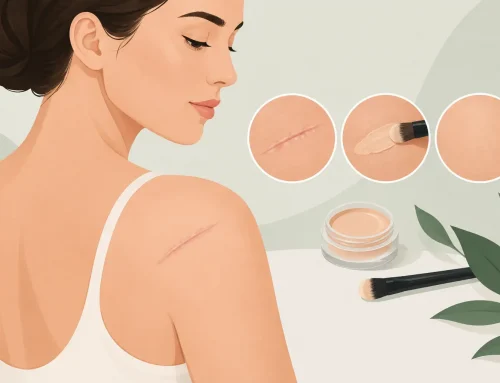
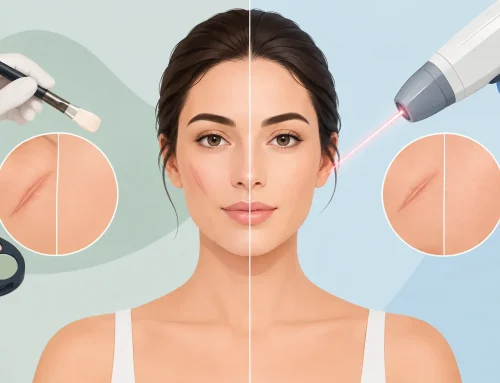
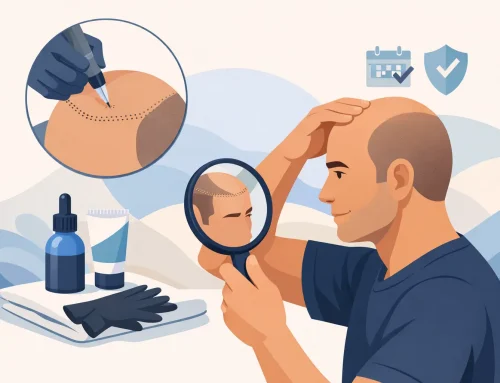
This approach is especially important in delicate areas like the lips and eyelids, where visible downtime feels more disruptive, and in corrective applications such as scar camouflage, areola restoration, or vitiligo blending, where the skin may already be compromised or sensitive.
Technique is the deciding factor
The biggest variable is technique. A highly skilled practitioner understands depth control with exceptional consistency. If pigment is implanted too superficially, it may fade quickly or heal unevenly. If it is implanted too deeply, the risk of trauma, migration, color shift, and scabbing increases.
Precision-based techniques aim for a narrow, controlled range that supports retention while preserving the integrity of the skin. This is where advanced proprietary methods separate themselves from standard cosmetic tattooing. Better technique is not just about aesthetics. It changes the healing experience.
Equipment matters more than most clients realize
Many clients compare services by looking at before-and-after photos alone. That is understandable, but it misses a major part of the story. Outdated or generic equipment can create more drag, vibration, and inconsistency during treatment. More advanced systems allow for cleaner, gentler application and more exact pigment placement.
That level of control is one reason sophisticated clinics can offer a very different recovery profile than conventional providers. Less trauma during the procedure usually means less inflammation after it.
Pigment choice affects healing and long-term appearance
Pigment is not just about shade matching. The formulation itself matters. Custom-blended mineral-based pigments, when used appropriately, can support more natural-looking healed results while reducing some of the harsh tonal shifts associated with traditional permanent makeup.
This matters because skin that is overworked and loaded with unsuitable pigment often heals with both textural and color issues. Clients do not just notice the scabs. They notice that the final result looks heavy, flat, or unnatural.
Who benefits most from a no-scab approach
Almost everyone prefers a smoother healing process, but for some clients it is especially valuable.
Professionals who cannot disappear for a week want procedures that fit into real life. Men seeking discreet enhancement usually want an undetectable result from the start, not an obvious healing phase. Clients traveling for treatment often need to return to meetings, events, or flights without visible downtime. And for those seeking corrective work after poor permanent makeup, additional trauma is the last thing they want.
The same applies to clients with darker skin tones or medically sensitive concerns. These cases require a higher level of technical judgment. Any unnecessary inflammation increases the chance of uneven healing or unwanted color behavior. A refined method is not a luxury in these situations. It is the standard that should have been there all along.
What healing should look like instead
When a procedure is performed properly, healing is typically subtle. You may see some mild dryness, a temporary softening of color, or light exfoliation that looks more like normal skin renewal than wound repair. The treated area should not form thick crusts or shed in hard pieces.
That does not mean every client heals identically. Skin type, immune response, lifestyle, and the area treated all influence recovery. Lips often behave differently than brows. Scalp shading differs from eyeliner. Camouflage work on scar tissue has its own considerations. The point is not that healing is identical across all services. The point is that dramatic scabbing should not be considered the benchmark of a successful treatment.
Questions to ask before booking
If you are specifically looking for permanent makeup without scabbing, ask direct questions. How is the technique different from traditional permanent makeup or microblading? What kind of device is used? What does typical healing look like by day three and day seven? Are the results designed to heal naturally, or just look bold immediately after treatment?
You should also pay attention to how a provider talks about downtime. If scabbing, crusting, or heavy peeling is described as standard and unavoidable, that tells you a great deal about the method. Elite cosmetic tattooing should be designed around precision, not recovery theater.
One reason discerning clients choose Beverly Hills specialists such as MicroArt is that the standard is different. The expectation is not simply pigment retention. It is natural appearance, controlled healing, and a result sophisticated enough to disappear into your features rather than announce itself.
The trade-off clients should understand
There is an important nuance here. A less traumatic approach does not mean rushed work or superficial work. It means intentional work. The provider may build color differently, customize the treatment more carefully, or recommend a plan based on your skin, previous procedures, and long-term goals.
Clients accustomed to old-school permanent makeup sometimes expect intense immediate color as proof that something was done. But the most advanced results are often more disciplined. They are designed to heal beautifully, age more gracefully, and avoid the hard-edged look that has made so many people hesitant about permanent makeup in the first place.
That is the real shift in the industry. Better clients are no longer asking for more pigment, more drama, or more obvious tattooing. They are asking for credibility. They want brows that read as brows, lip color that looks like healthy natural definition, and camouflage work that restores confidence without advertising the procedure.
Permanent makeup without scabbing is not a marketing gimmick when it is backed by the right technology, technique, and clinical judgment. It is a sign that the category has evolved, and that your skin does not need to pay the price for beautiful results.