
The difference between refined enhancement and makeup that looks obvious often begins before any pigment touches the skin. A semi permanent makeup consultation is where your features, skin behavior, lifestyle, and expectations are evaluated as one complete picture. For a result that looks like you on your best day, not like a cosmetic tattoo, this step is non-negotiable.
At a premium clinic, the consultation is not a quick color selection or a generic template. It is a personalized treatment design session. The goal is to determine whether a procedure is right for you, identify the technique that will create the most believable result, and build a plan that respects your skin rather than forcing a predetermined look.
Why the consultation determines the result
Semi-permanent makeup is often grouped with traditional permanent makeup and microblading, but the experience and outcome can be very different. Traditional methods may place pigment too deeply or rely on techniques that create sharper, more artificial-looking marks. Those marks can blur, shift in tone, or become difficult to correct over time.
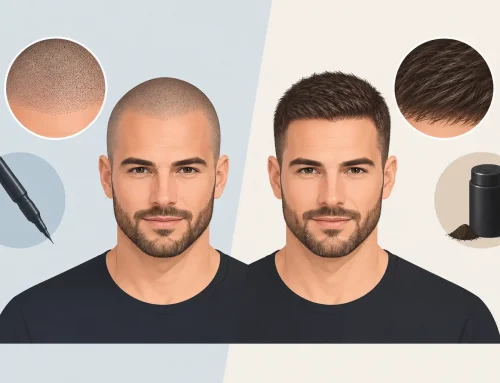
A sophisticated approach begins with restraint. The right brow does not overpower the face. The right lip color should look like healthy, naturally even pigment. Scalp shading must disappear into existing hair rather than announce itself under direct light. The consultation gives your specialist the information needed to make those decisions with precision.
It also protects you from a common mistake: choosing a treatment from a trend photo without considering whether it suits your own face, skin tone, skin type, and daily routine. A dramatic, highly structured brow may photograph beautifully on one person and look severe on another. The most successful treatment is usually the one people notice only after they notice how rested, balanced, or polished you look.
What happens during a semi permanent makeup consultation
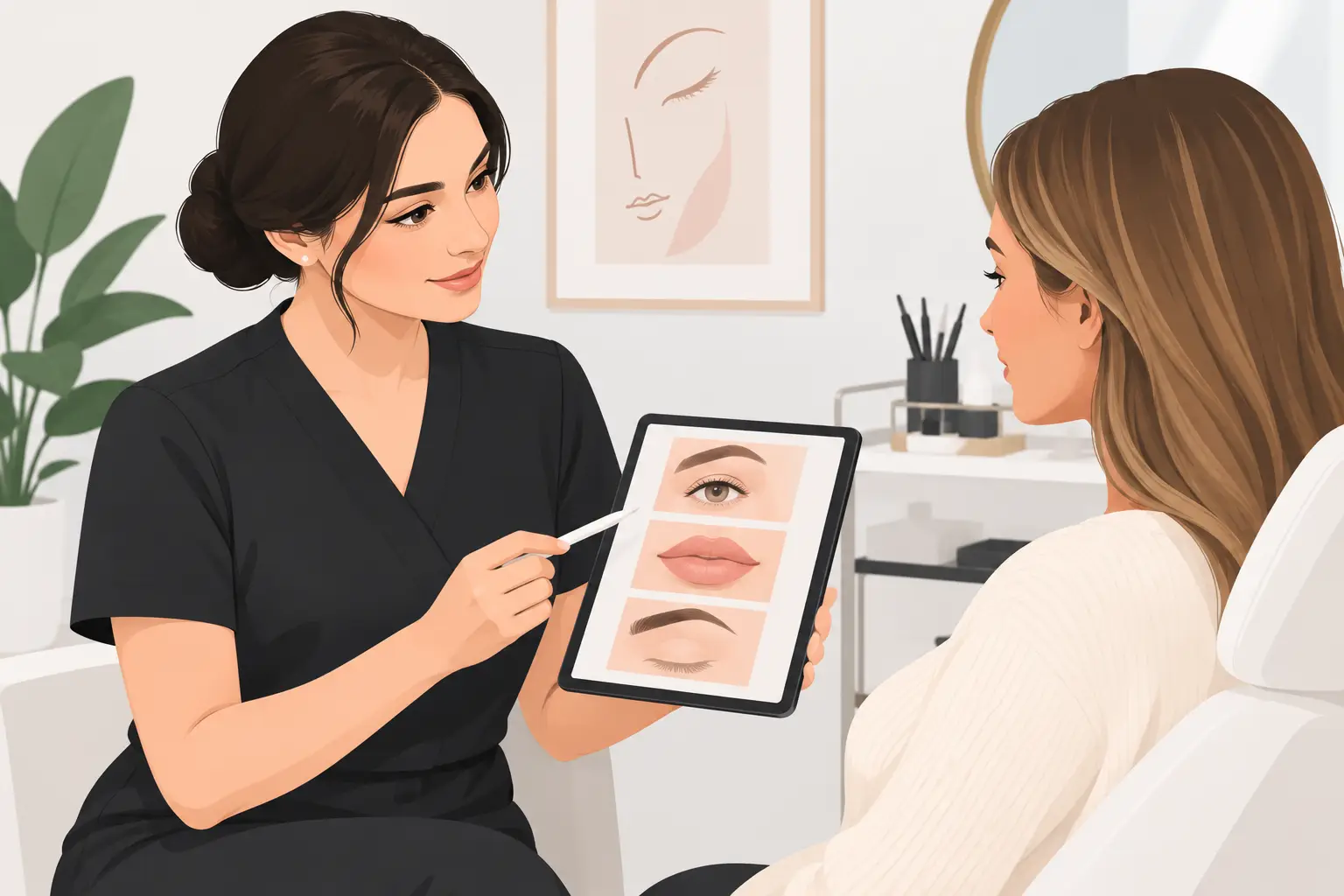
Your appointment should feel thorough, focused, and personal. It is the time to discuss the concern that brought you in, whether that is sparse brows, asymmetrical lips, a visible scar, pigment loss, an old cosmetic tattoo, or the inconvenience of applying the same makeup every morning.
Your goals and your reference point
A specialist will ask what you want to change and, just as importantly, what you do not want. Many clients arrive with a clear request: fuller brows, a more defined lash line, a healthier lip tone, or better coverage for an area of discoloration. The deeper conversation is about how visible you want the enhancement to be.
Bring photos if they help communicate your preferences, but use them as a starting point rather than a prescription. A reference image can reveal that you prefer a soft, diffused brow over a crisp outline, or a neutral lip enhancement over a lipstick effect. It cannot account for your facial proportions, natural undertones, or tissue condition. Your treatment should be designed around those realities.
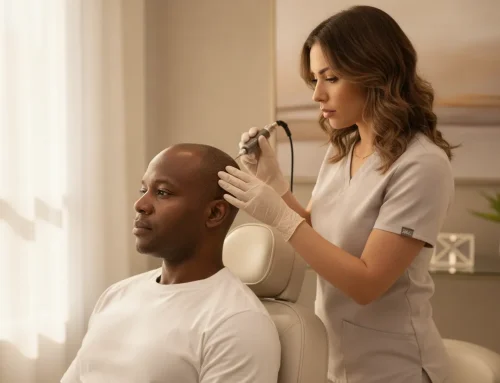
For corrective services, the discussion is especially detailed. Scar tissue, vitiligo, melasma, birthmarks, alopecia, areola reconstruction, and previous tattoo work all require a tailored assessment. In these cases, camouflage is not simply about matching a color. It requires evaluating texture, surrounding pigment, healing history, and how the area may change over time.
Skin, health, and lifestyle assessment
Skin is not a blank canvas. Oil production, sensitivity, sun exposure, skincare ingredients, previous procedures, and healing tendencies all influence how pigment may settle and fade. A client with very oily skin may need a different brow strategy than someone with dry, mature skin. Darker skin tones require an experienced understanding of undertones and pigment selection to avoid results that heal ashy, overly warm, or disconnected from the surrounding skin.
Your specialist should review relevant health information and current medications, along with any history of cold sores for lip procedures, keloid scarring, allergies, active skin conditions, or recent treatments that may affect the area. This is not a formality. It determines whether treatment should proceed, be postponed, or be modified.
Lifestyle matters as well. If you swim frequently, train outdoors, spend significant time in the sun, or use active skincare products, your maintenance plan may look different. If you travel for treatment, timing and follow-up planning deserve particular attention. Premium care accounts for the life you actually live, not an idealized aftercare schedule.
Design, mapping, and color planning
This is where technical judgment becomes visible. For brows, your specialist evaluates bone structure, facial balance, natural hair pattern, and how your brows move when you speak or smile. Symmetry is the goal, but perfect mathematical matching is neither realistic nor always flattering. Human faces have natural asymmetry. The objective is visual harmony.
For eyeliner, the design must complement the shape of the eye and the appearance of the lashes. A subtle lash enhancement may be ideal for someone who wants definition without a visible line, while another client may benefit from a slightly more pronounced effect. Lip planning considers natural borders, uneven tone, and whether the goal is correction, definition, or a soft wash of color.
Pigment selection should be custom, not pulled from a one-size-fits-all palette. Skin undertone, existing natural pigment, and the desired healed result all matter. Mineral-based pigments can be carefully blended to create a color that integrates with your complexion rather than sitting on top of it. A skilled practitioner plans for the healed appearance, not merely the fresh color seen on the day of treatment.
Questions worth asking before you commit
You are choosing a treatment that will remain visible long after a typical salon service has faded. Ask about the method being used, the depth of pigment placement, the expected healing process, and the recommended maintenance schedule. Ask to see healed results on clients with features and skin tones similar to yours, especially if you are considering corrective or camouflage work.
It is also reasonable to ask what happens if you decide a look is too bold, how adjustments are handled, and whether the clinic has experience correcting previous permanent makeup. Clear answers are a mark of expertise. Vague assurances are not.
At MicroArt, the consultation is designed around a proprietary approach that prioritizes precise application, customized mineral pigments, and highly natural results without the bruising, scabbing, and extended downtime commonly associated with more aggressive cosmetic tattoo methods. The purpose is not to make every client look treated. It is to make the enhancement look convincingly native to the face or skin.
When a consultation may change the plan
The best consultation does not always end with an immediate procedure date. Sometimes the right recommendation is to wait. Active irritation, recent resurfacing treatments, a tan, an unresolved skin concern, or pigment from an old procedure may make treatment less predictable. Waiting can feel inconvenient, but it is often the decision that preserves the quality of the result.
Your plan may also shift after an in-person assessment. A client who initially asks for microblading-style hair strokes may be better suited to a softer shading technique. Someone seeking full scar coverage may need a series of gradual sessions for the most natural blend. A client with old blue-gray brow pigment may need correction before a new shape or color can be added.
This is not a limitation of advanced treatment. It is evidence that the clinic is treating your skin as individual rather than interchangeable.
Preparing for your appointment
Arrive ready to be specific about your usual makeup habits and the amount of enhancement you want. If you normally wear brow pencil, lip liner, or eyeliner, photos of how you apply it can be useful. They show how you see yourself and can help define the line between enhancement and overstatement.
Follow any pre-consultation instructions you receive, particularly regarding recent cosmetic treatments and active skincare. Be candid about previous tattoos, laser removal, filler, medical conditions, and medications. The more complete the information, the more precise your recommendation can be.
A consultation is also your opportunity to assess the clinic. You should feel heard, never rushed toward a procedure, and confident that the proposed result has been designed for your face, your skin, and your standards. The right plan should make the decision feel clearer, not more pressured.
The most luxurious result is rarely the boldest one. It is the one that gives you back time, confidence, and ease while leaving everyone else wondering what, exactly, looks so good.