
Alopecia patches can feel especially exposed under overhead lighting, in photographs, or when the hair moves in a way that reveals more scalp than expected. Learning how to camouflage alopecia patches is not about hiding who you are. It is about having polished, reliable options that let you decide what people see – without building your day around a mirror.
The right approach depends on the size, location, and activity of the patch, along with your hair color, density, skin tone, and lifestyle. A small area at the hairline calls for a different strategy than a widening crown patch or loss around the temples. The most convincing camouflage is always customized, not copied from a one-size-fits-all tutorial.
Start With the Patch and Your Hair Pattern
Before choosing a product or procedure, take an honest look at the contrast you are trying to soften. Alopecia patches appear more visible when pale scalp contrasts sharply against dark hair, when the surrounding hair is fine, or when the area sits near a natural part or hairline. Texture matters too. A smooth, completely bare patch needs a different solution than an area with sparse, short regrowth.
It also matters whether the hair loss is stable. If a patch is actively changing, shedding, irritated, or medically unexplained, speak with a dermatologist before pursuing a cosmetic procedure. Camouflage can offer immediate visual support, but it should not replace medical evaluation or treatment for the underlying condition.
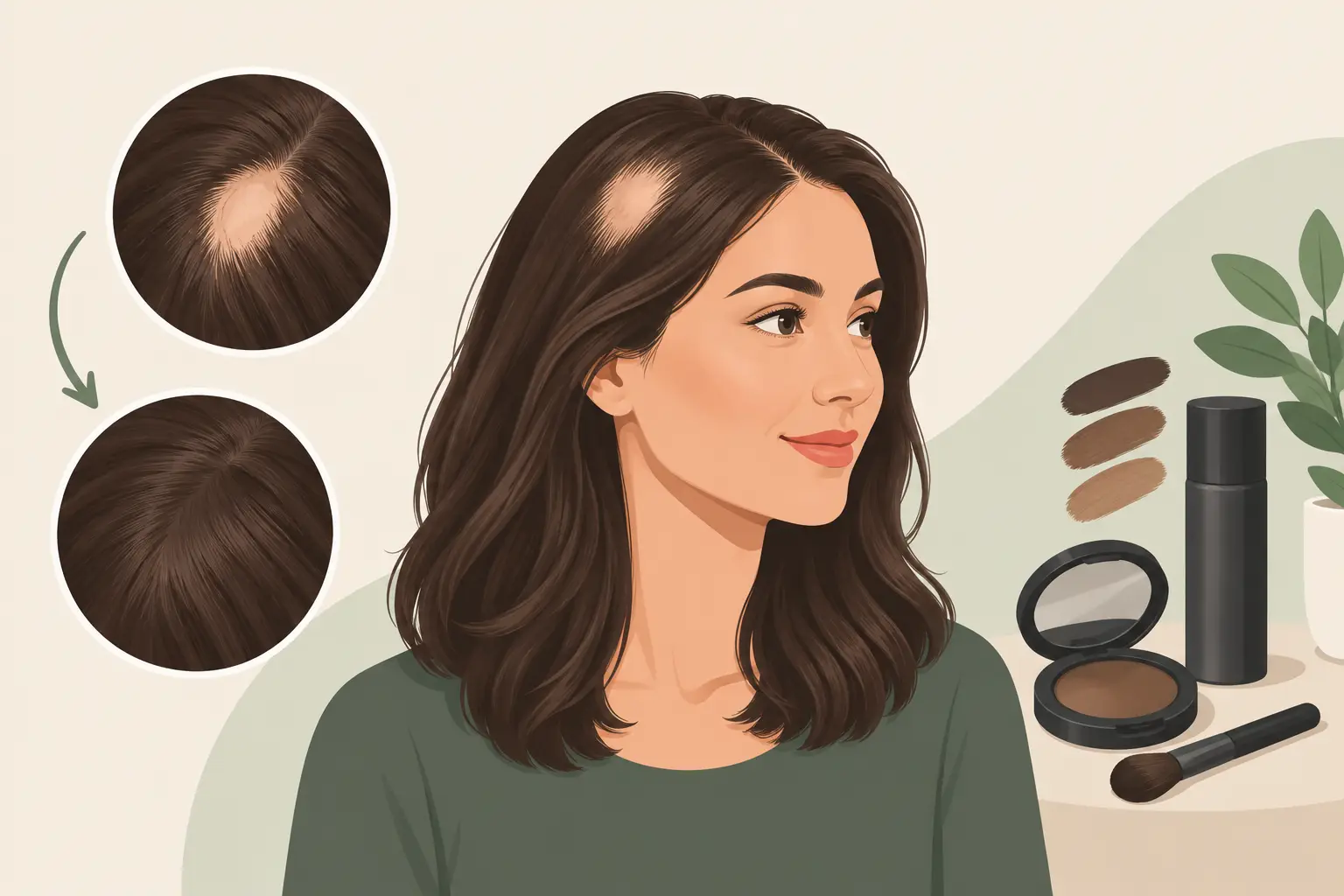
For stable areas, the objective is simple: reduce scalp-to-hair contrast while preserving the look of a real scalp. Anything too dark, too sharply defined, or too uniform can draw more attention than the patch itself.
Quick Ways to Camouflage Alopecia Patches
For flexibility, temporary options are often the first place to start. They can be effective for an event, a workday, or while you are deciding whether a longer-lasting solution is right for you.
Change the Part and Build Intentional Volume
A center part can frame a patch at the crown or top of the scalp. Moving the part slightly off-center, using a zigzag part, or styling hair across the area can reduce visibility immediately. Blow-drying with a lifting technique at the root and using lightweight volumizing products may help surrounding hair create more coverage.
This works best for smaller patches with enough adjacent density. It is less reliable in wind, humidity, swimming, or when hair naturally separates throughout the day. Avoid aggressive teasing or heavy products that can expose the scalp by clumping fine strands together.
Use Root Concealers and Hair Fibers Carefully
Root sprays, pressed powders, and scalp concealers deposit color onto visible skin and can make a patch look less stark. Hair fibers cling to existing hair, helping sparse areas appear fuller when there is enough surrounding hair for them to anchor to.
Color matching is the difference between a refined result and obvious makeup. Choose a shade that reflects the root color rather than the brightest lengths or highlights. Apply lightly, assess in natural light, and build only where needed. A dense, flat block of color rarely resembles a natural scalp.
Temporary concealers have trade-offs. They may transfer, require touch-ups, and are not ideal for perspiration-heavy workouts or beach days. Still, they are valuable because they offer control without commitment.
Add Coverage With a Hairpiece, Topper, or Wig
A well-fitted topper or wig can create the greatest immediate coverage, particularly when patches are larger or multiple areas are involved. Modern options can look exceptionally sophisticated when the density, hairline, part, and color are selected with care.
The key is fit. A piece that is too dense, too shiny, or positioned with a visibly abrupt hairline can look less natural than a lighter, more customized option. For clients who want the freedom to change their look, hair systems can be an excellent choice. For those who want coverage that does not require daily attachment, a cosmetic scalp treatment may be worth considering.
Cosmetic Scalp Pigmentation for Alopecia Camouflage
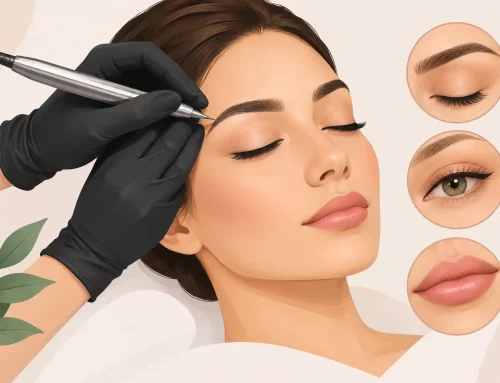
For stable alopecia patches, cosmetic scalp pigmentation can create the appearance of soft, natural follicular density directly within the visible scalp area. Rather than trying to imitate long hair, a skilled specialist uses layered, precisely placed pigment impressions to reduce contrast and visually blend the patch into the surrounding scalp.
This is especially effective for men with closely cropped hair, women with visible part-line patches, and anyone whose hair loss is localized enough that a natural transition can be created. The goal is not a solid tattooed area. It is nuanced tonal diffusion that reads as believable density at conversational distance and in photographs.
At MicroArt, this type of corrective camouflage is approached as a custom cosmetic design problem. Pigment selection, placement, density, and edge work should be tailored to the client’s natural hair color, skin tone, hair growth direction, and the way the patch appears under different lighting. A premium result depends on restraint as much as technique.
Why Traditional Tattooing Is Not the Same
Alopecia camouflage is not an area for standard body tattooing or heavy-handed permanent makeup. Traditional tattoo inks can shift in tone over time, and a rigid outline around a patch can create an artificial result. The scalp is also highly visible, with little room for overly dark pigment or imprecise work.
Advanced cosmetic camouflage uses a more controlled approach, with custom-blended mineral-based pigments and equipment designed for refined placement. The best work is built gradually. It respects the skin, avoids harsh saturation, and leaves room for future adjustments if hair density or the pattern of alopecia changes.
A consultation should include a close review of the scalp, photos in clear lighting, a discussion of medical history, and a realistic plan for maintenance. Be wary of anyone promising that one technique is right for every form of hair loss.
Match the Method to Your Lifestyle
The best camouflage method is the one you will actually feel comfortable wearing. If you enjoy changing your hairstyle and do not mind a short morning routine, powders and fibers may be enough. If you need full coverage for larger areas, a customized hairpiece can provide dramatic flexibility. If daily makeup feels limiting and the patch is stable, semi-permanent scalp pigmentation can offer a more consistent, discreet foundation.
Many people combine approaches. Scalp pigmentation may soften the contrast beneath a topper, help a part look denser between salon visits, or provide reassurance on days when a hairpiece is not worn. This layered approach can look more natural than asking any single product to do all the work.
Your priorities should guide the decision. Consider your activity level, climate, budget, maintenance tolerance, and how often you travel. Someone who swims frequently has different needs from someone preparing for occasional professional photos. A camouflage plan should work in real life, not only under perfect indoor lighting.
Protect the Scalp and Preserve the Result
Whether you use temporary coverage or semi-permanent pigmentation, treat the scalp gently. Avoid picking, harsh exfoliation, and products that cause irritation. Use sun protection on exposed areas, since tanning can intensify the contrast between scalp and hair and may affect how cosmetic color is perceived.
For temporary products, remove buildup thoroughly but without aggressive scrubbing. For longer-lasting camouflage, follow the specialist’s aftercare instructions precisely and schedule maintenance only when the result truly needs refreshing. Overworking an area is never the path to a more natural appearance.
Alopecia can be unpredictable, and your camouflage should leave room for that reality. Choose solutions that support your confidence now while respecting the possibility that your hair pattern may evolve. The most elegant result is not one that looks heavily corrected – it is one that lets you move through the room without thinking about the patch at all.