
A cosmetic tattoo should not announce itself the moment you enter a room. The most advanced permanent makeup technology is designed to do the opposite: create refined enhancement that holds up in daylight, close conversation, photographs, and the unfiltered moments in between. For clients who want more than a standard brow tattoo or a heavy lip stain, the difference comes down to the technology, pigment strategy, and precision behind every treatment.
Traditional permanent makeup was often judged by its most visible failures: sharp outlines, overly dark brows, blue-gray fading, and lengthy healing. Modern cosmetic tattooing has moved far beyond that model. When performed with the right equipment and a highly individualized approach, it can support natural-looking eyebrows, soft eyeliner definition, balanced lip color, scalp shading, and corrective camouflage without making the skin look overworked.
What Permanent Makeup Technology Really Changes
Technology is not a substitute for artistic judgment. It is the system that gives a specialist more control over depth, movement, pigment placement, and the way a result settles into the skin over time.
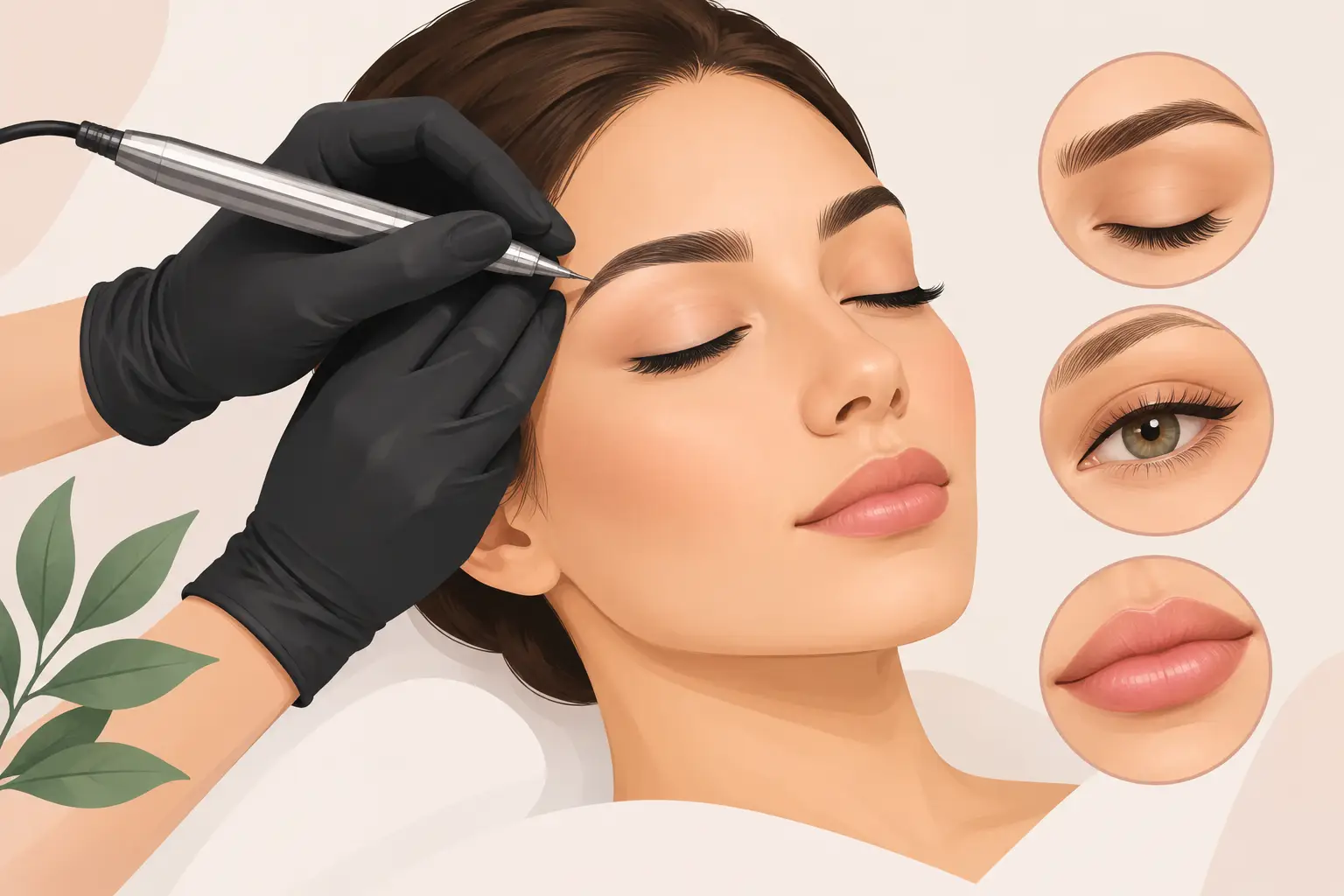
At the center of a refined procedure is a precision device designed to deposit pigment gently and consistently. Unlike manual microblading, which creates hair-like cuts in the skin, advanced machine-based techniques can create soft, controlled layers of color. That distinction matters. Skin is not paper, and a result that looks elegant on the day of treatment must also be considered in the context of healing, skin type, natural undertones, and long-term color behavior.
The goal is not simply to place more pigment. It is to place the right amount in the right area, with a treatment plan that respects the natural architecture of the face or body. For a brow client, that may mean restoring definition while preserving a believable softness. For lip color, it may mean correcting uneven tone without creating a hard border. For scar, areola, or vitiligo camouflage, precision becomes even more essential because the surrounding skin must guide the color and placement strategy.
Controlled application versus aggressive implantation
One of the biggest differences between outdated techniques and elevated cosmetic tattooing is how pigment is introduced into the skin. Aggressive application can increase trauma, leading to unnecessary swelling, scabbing, or a result that heals darker and less predictable than intended.
A controlled approach prioritizes consistency rather than force. It allows the provider to build color thoughtfully, then adjust based on the client’s skin response. This is particularly valuable for mature skin, sensitive skin, darker skin tones, and clients seeking correction after prior permanent makeup. Each of these situations requires a different level of pressure, saturation, and color selection.
No technology can guarantee that every client heals identically. Skin biology, medications, immune response, sun exposure, and aftercare all play a role. However, a more precise system gives the treatment provider a better foundation for minimizing avoidable trauma and creating a more polished healed result.
The Role of Pigment Technology in Natural Results
Pigment is where many permanent makeup results either age beautifully or become difficult to correct. A color that appears flattering immediately after treatment may not remain flattering if its undertone was poorly matched to the client’s complexion and natural tissue color.
High-level pigment selection is not about choosing one generic brown, pink, or black. It involves assessing warmth, coolness, depth, saturation, and the existing color in the skin. Mineral-based pigments can be custom blended to create a softer, more natural effect, especially when the objective is believable enhancement rather than a makeup-heavy finish.
For brows, the ideal color should work with the client’s hair color, complexion, and natural brow base – not compete with them. For lips, the starting lip tone can be as influential as the shade selected. Clients with cool-toned or uneven lips may need neutralization before a final color can look balanced. For cosmetic camouflage, color matching requires even more patience because scar tissue, vitiligo, and surrounding skin may reflect and heal differently.
This is why a consultation should feel like a clinical color assessment, not a quick shade selection. The most natural results are planned around what the skin can realistically hold and how the color is expected to evolve after healing.
Why depth matters as much as color
Pigment placed too deeply can shift in tone and lose the soft, surface-level appearance clients want. Pigment placed too superficially may fade too quickly or heal unevenly. Precision equipment helps control application, but the provider’s experience determines how that control is used.
The right depth varies by treatment area. Eyeliner skin is delicate and requires a different approach from lips. Scalp micropigmentation demands a different visual density than eyebrow enhancement. Scar tissue can behave differently from healthy skin. There is no responsible one-setting, one-pigment, or one-technique solution for every client.
Permanent Makeup Technology for Corrective Work
Corrective cosmetic tattooing demands a higher level of restraint. A client may arrive with brows that have faded gray, red, or blue; lip color that healed unevenly; or old work that sits too darkly against the complexion. The answer is not always to cover it immediately with more pigment.
A qualified specialist first evaluates whether the existing work can be adjusted, softened, neutralized, or whether removal or lightening should be considered before correction. Covering unsuitable old pigment can create a denser, darker result and reduce future options. The best treatment plan is sometimes a staged plan.
The same thoughtful approach applies to medical and cosmetic camouflage. Scar camouflage, areola restoration, vitiligo camouflage, and tattoo camouflage are highly specialized services because the concern is not only color. Texture, skin stability, contrast, and the client’s expectations all matter. Camouflage can reduce visual distraction and restore confidence, but it cannot erase texture or change an active skin condition. Honest consultation is part of advanced technology because it keeps the treatment aligned with what is medically and cosmetically appropriate.
At MicroArt, proprietary techniques are built around this level of customization, combining precision application with custom-blended pigment choices for clients who want results that remain discreet rather than obvious.
Choosing Technology Based on Your Goal
The best procedure is not necessarily the trendiest one. It depends on the feature being treated, the condition of the skin, the desired level of definition, and how much maintenance a client is comfortable with.
Someone with sparse brows may benefit from soft shading that creates fullness without the rigid look of traditional tattooed brows. A client who wears eyeliner daily may prefer a subtle lash-line enhancement rather than a dramatic wing that could feel dated over time. Lip blush may suit someone seeking a healthier, more even lip tone, while a client with significant asymmetry may need a more conservative plan to avoid emphasizing the difference.
Men often want the same technical precision with a different aesthetic target. Scalp shading, brow balancing, and scar camouflage should look undetectable, not cosmetic. The design must account for facial structure, hair pattern, and the way the result reads at close range.
The practical question is not, “What procedure is everyone getting?” It is, “What approach will still look like me after it heals?” That is the standard worth bringing to a consultation.
What to Ask Before Booking
A premium cosmetic tattoo experience should include more than a procedure menu and before-and-after photos. Ask how the provider evaluates skin type, undertone, previous pigment, and healing expectations. Ask whether pigments are customized, how correction cases are assessed, and what maintenance may be needed as the result gradually softens.
It is also reasonable to ask about downtime. A gentle, well-planned treatment may help reduce the visible aftereffects associated with older techniques, but every procedure involves a healing process. A credible provider will explain what is typical without promising that your skin will respond exactly like someone else’s.
Look closely at healed work, not only fresh results. Fresh pigment can appear more defined before it settles. Healed examples reveal whether the provider understands soft edges, realistic color, and proportion over time.
The right permanent makeup technology should give you more control over your appearance, not another feature to manage or explain. Choose a specialist who treats your skin, coloring, and goals as the blueprint – because the most convincing result is the one people notice only as confidence.