
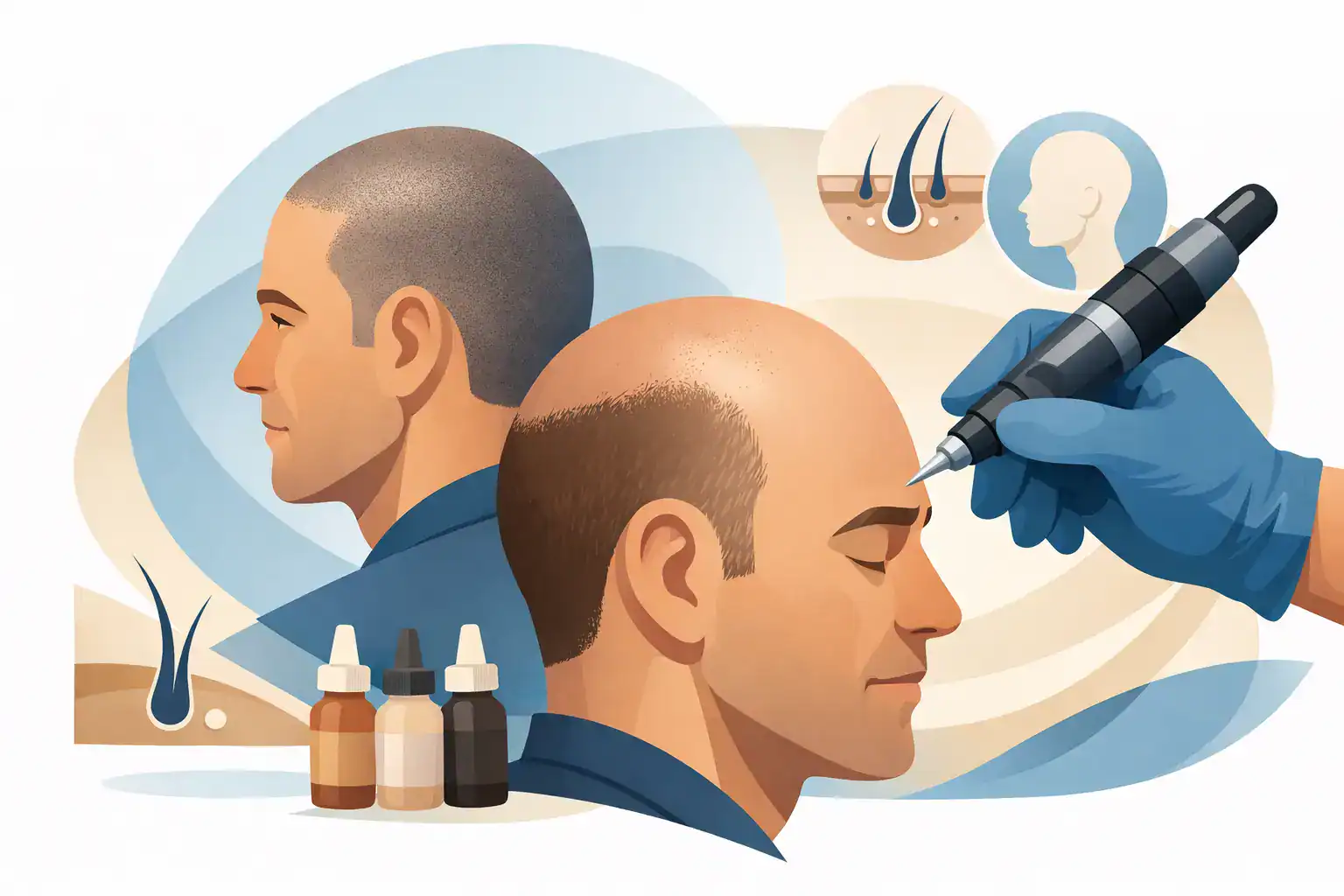
Hair loss from alopecia rarely feels like a simple cosmetic issue. It changes how the scalp reflects light, how features read from a distance, and how much effort it takes to feel polished and confident. That is exactly why scalp micropigmentation for alopecia has become such a sought-after solution for clients who want visible improvement without surgery, daily cover-up products, or an obvious cosmetic result.
For the right candidate, this treatment can create the appearance of density, reduce contrast between hair and scalp, and restore a more balanced frame to the face. The best results are not about stamping pigment into the skin and calling it done. They depend on precision, restraint, and a highly customized approach to color, placement, and softness.
What scalp micropigmentation for alopecia actually does
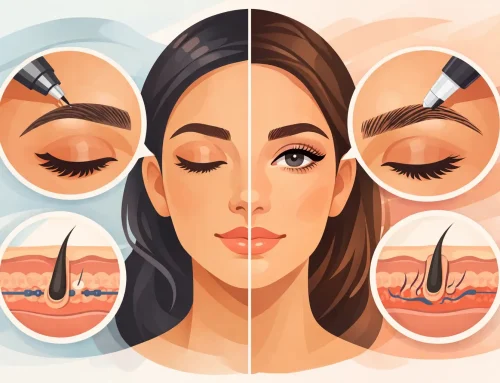
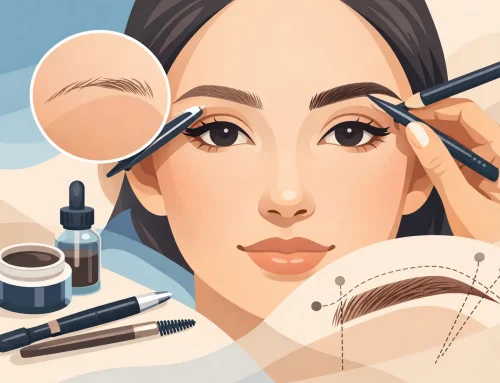
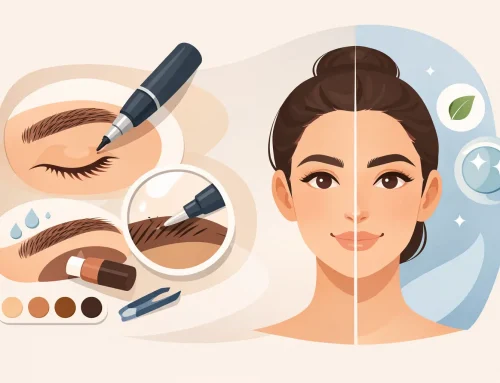
Scalp micropigmentation for alopecia is a cosmetic camouflage procedure that places carefully controlled pigment into the scalp to replicate the visual effect of hair density. Depending on the pattern of hair loss, the goal may be to mimic closely cropped follicles, soften visible patches, or create the illusion of fullness beneath existing hair.
This distinction matters. Alopecia is not one uniform condition. Some clients have diffuse thinning that makes the scalp more visible under bright light. Others have sharply defined patches, widening part lines, or broader areas of loss linked to traction, autoimmune conditions, hormonal changes, or scarring. A result that looks natural on one person can look flat or artificial on another if the strategy is not adjusted to the type of alopecia, skin tone, and remaining hair.
The most sophisticated work is almost invisible as a procedure. What people notice is that the hair looks denser, the scalp shows less, and the overall appearance feels more complete.
Why clients with alopecia choose scalp shading over other options
Most people who consider this treatment have already tried something else. They have tested powders, fibers, tinted sprays, strategic styling, supplements, or medical treatments that may or may not have helped. Some are not candidates for hair transplant surgery. Others simply do not want the expense, recovery, or uncertainty that can come with more invasive solutions.
Scalp shading appeals to a different kind of client – one who values discretion, immediate visual improvement, and natural refinement. It does not require daily application. It does not rely on the hair behaving perfectly every morning. And when performed with advanced technique, it avoids the harsh, over-inked finish that makes many people hesitant about scalp tattooing in the first place.
This is also why provider selection matters so much. In corrective aesthetics, subtlety is a luxury. A premium result is not just visible under ideal lighting. It holds up in daylight, in close conversation, and over time.
Who is a good candidate for scalp micropigmentation for alopecia
A strong candidate is someone seeking the appearance of fuller hair rather than literal regrowth. That may sound obvious, but it shapes expectations from the start. This procedure creates an optical improvement. It does not change the biological cause of hair loss.
Clients with diffuse thinning often do especially well because the pigment can reduce the contrast between scalp and hair. Clients with patchy alopecia can also benefit, though the level of success depends on whether the skin texture is smooth, whether inflammation is active, and how stable the condition is. In cases involving scar tissue, pigment retention can be less predictable, which makes experience and technique even more important.
Hair length matters too. Someone who wears their hair longer may need soft density work placed beneath existing strands. Someone with very short hair may need a more defined follicle effect. Men and women both seek this treatment, but the design logic is often different. Male hairlines typically require realism at the front edge, while female clients are often more focused on part-line softening and overall density.
The difference between natural-looking scalp shading and standard tattooing
Not all micropigmentation is created equal. Traditional tattoo methods can deposit color too deeply, too heavily, or with the wrong type of pigment. That is when results start to shift into a bluish tone, look oversized, or blur in a way that no longer resembles natural hair density.
A premium scalp procedure should be built around refined equipment, controlled depth, and pigments selected for skin compatibility and believable color behavior. The goal is not to fill the scalp with obvious dots. It is to layer visual information so the eye reads more hair and less scalp.
This is where many standard providers fall short. They may understand tattooing, but not cosmetic camouflage. Alopecia work demands a much more nuanced eye because the result is often being blended into existing hair, irregular loss patterns, or highly visible areas along the front and crown. Precision is not a bonus here. It is the treatment.
What the treatment process typically looks like
The process starts with an evaluation of the hair loss pattern, scalp condition, medical context, and styling preferences. A high-level provider will assess more than where pigment should go. They will also look at undertone, density goals, edge softness, and whether the scalp is an appropriate canvas for treatment.
From there, the design is customized. Some clients need only subtle reinforcement in sparse areas. Others need broader camouflage across the top or crown. Building density usually happens in a controlled progression rather than one heavy pass, which allows the result to stay believable.
During treatment, the sensation is typically manageable, and downtime is minimal when the procedure is performed with modern methods. That matters for clients who want improvement without disrupting work, travel, or social plans. In a luxury clinical setting, efficiency and comfort should be part of the standard, not an upgrade.
What results can realistically look like
The best outcome is often described the same way by clients: people notice they look better, but they cannot tell why. That is the sweet spot.
For diffuse thinning, scalp micropigmentation for alopecia can make hair appear significantly thicker by reducing the pale contrast of the scalp beneath it. For patchy loss, it can restore visual continuity so isolated areas no longer draw the eye first. For receding or sparse zones, it can create a cleaner, more intentional frame.
That said, realism depends on the starting point. Very advanced hair loss with no existing hair may require a different aesthetic strategy than mild to moderate thinning. Active alopecia areata may need medical stability before treatment is advisable. Extremely shiny scalps can still reflect light, even with excellent pigment placement. A reputable specialist will discuss those variables clearly rather than overpromise.
Longevity, maintenance, and the value of restraint
This is a semi-permanent cosmetic procedure, not a one-and-done tattoo in the traditional sense. Over time, soft fading is expected. That is often a benefit, not a flaw, because it allows the look to be refreshed and refined as the client ages, changes hairstyle, or experiences shifts in hair density.
Maintenance schedules vary based on skin type, sun exposure, lifestyle, and the depth and softness of the original work. Oily skin may hold pigment differently than dry skin. Clients who spend a great deal of time outdoors may fade faster. The most elegant results are usually created with enough softness to look natural long term, even if that means periodic maintenance is part of the plan.
That is the trade-off many discerning clients prefer. A softer, more believable result that can be maintained is typically far more attractive than a dense, inflexible application that looks obvious as the years pass.
Choosing the right provider for alopecia camouflage
Alopecia camouflage sits at the intersection of aesthetics and correction. It requires artistic control, technical consistency, and a strong understanding of how pigment behaves in different skin tones and scalp conditions. It also requires judgment – knowing when to proceed, when to be conservative, and when a client needs a different solution altogether.
If you are comparing providers, look beyond the phrase scalp micropigmentation. Ask whether their work shows natural density rather than dark fill. Ask whether they customize pigment rather than relying on generic carbon-heavy formulas. Ask whether they regularly treat alopecia rather than only shaved-head simulations. And ask how they approach corrections, because that reveals a great deal about their standards.
At the premium end of the category, the difference is usually not louder marketing. It is quieter, more believable outcomes.
For clients who want hair loss correction that reads polished, private, and genuinely natural, scalp shading can be a powerful option. The right treatment does not compete with your features. It gives them back their balance.