
A brow treatment can look beautifully understated or immediately obvious – and the difference is rarely just the pigment color. It comes down to how pigment enters the skin, how the artist reads your features, and whether the technique is suited to your skin. In the choice between microblading versus micropigmentation, the best answer is not a trend or a bargain appointment. It is the method that can create a refined result without committing you to harsh lines, unpredictable fading, or an overly tattooed appearance.
For clients who expect makeup to look like it belongs to them, not like it was applied to them, those distinctions matter.
Microblading Versus Micropigmentation: The Core Difference
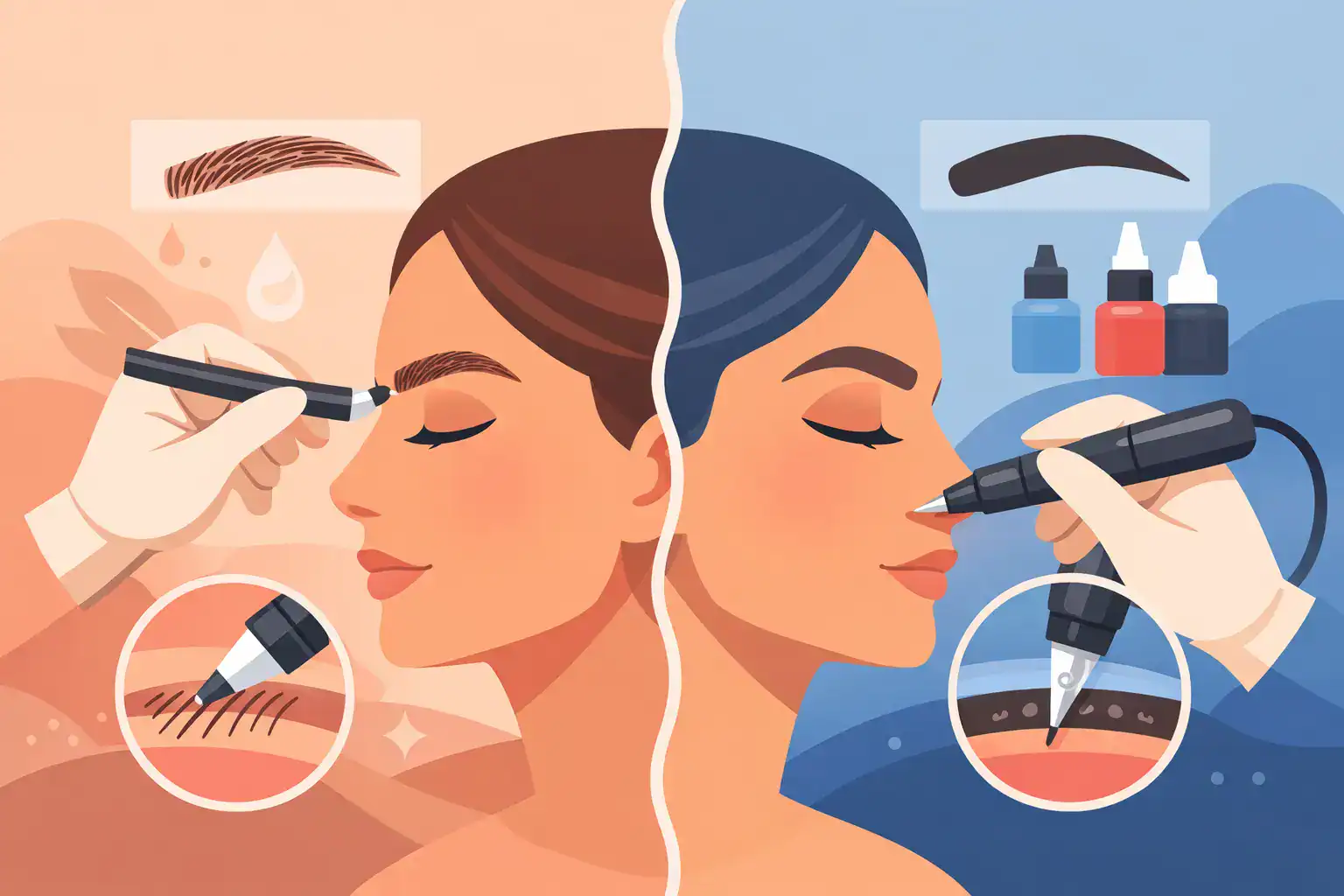
Microblading is a manual technique that uses a handheld blade made of fine needles to create small, hairlike incisions in the skin. Pigment is placed into those strokes to imitate eyebrow hair. At its best, microblading can give a sparse brow the appearance of added density and structure.
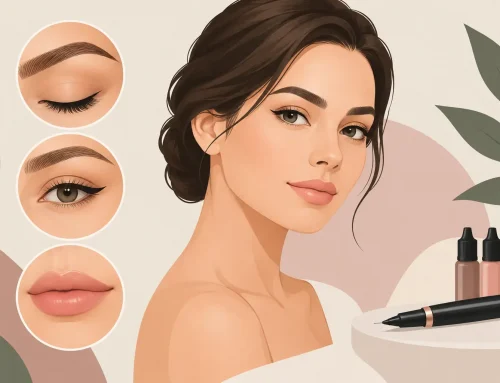
Micropigmentation is a broader category of cosmetic tattooing in which a precision device implants pigment using a controlled needle movement. It can be used for eyebrows, eyeliner, lips, scalp shading, scar camouflage, areola restoration, and corrective work. Rather than relying on cuts that mimic individual hairs, it can create soft pixels, shading, definition, or carefully layered color.
That distinction affects far more than the treatment experience. It influences healing, retention, color evolution, suitability for different skin types, and the final visual texture. Microblading is designed around the illusion of hair strokes. Advanced micropigmentation can be designed around the whole face or treatment area: skin tone, underlying undertones, existing hair, facial balance, and how the result should settle over time.
Why the Technique Changes the Result
The appeal of microblading is easy to understand. A few strategic strokes can make brows appear fuller without a daily pencil. But the same manual blade technique that creates crisp lines can be less predictable when skin is oily, mature, thin, sun-damaged, or prone to sensitivity. Strokes may heal softer than expected, blur together, or retain unevenly. On some clients, a look that begins as delicate hair simulation can eventually read as a more solid block of color.
Micropigmentation offers more control over pigment placement and density. A skilled specialist can create a subtle powder effect, a soft ombré brow, gentle definition between natural hairs, or a correction plan for brows that have already faded unevenly. The goal is not to make every client look as though they have the same brow technique. The goal is to create believable enhancement that is appropriate for their skin and aesthetic.
This is especially significant for clients who want an elevated, nearly undetectable finish. A strong graphic brow may suit a short-lived social media look. It is not always the right choice for a boardroom, a red-carpet close-up, or a face that should remain elegant without makeup.
Hair strokes are not always the most natural option
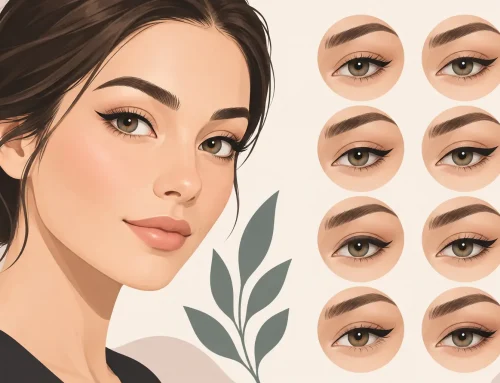
Natural-looking does not automatically mean more individual lines. Real brows have depth, variation, softness, and areas of shadow. In many cases, a diffused micropigmentation technique looks more convincing than dozens of sharply defined strokes because it integrates with the skin rather than competing with it.
The same principle applies beyond brows. A precise device-based approach can softly restore lip color, define a lash line without a visible eyeliner stripe, or blend cosmetic camouflage into surrounding skin. These applications require controlled pigment layering, not a one-size-fits-all blade pattern.
Healing, Downtime, and Skin Considerations
Microblading creates tiny incisions, so it commonly involves a more visible healing period. Redness, tenderness, flaking, and scabbing can occur as the skin recovers. Clients must follow aftercare closely and should expect the color to appear darker at first, then soften as the skin heals.
With micropigmentation, the experience varies by treatment area, technique, and individual skin response. Precision device methods are often selected because they can be gentler and more controlled than manual cutting. At MicroArt, proprietary equipment and custom mineral-based pigments are designed to minimize the visible healing concerns people associate with traditional cosmetic tattooing, including heavy scabbing and dramatic color shifts. A personal consultation is still essential, particularly for clients with sensitive skin, active skin conditions, a history of keloid scarring, or recent cosmetic procedures.
Neither procedure should be treated casually. A qualified practitioner will review medications, allergies, skincare ingredients, prior tattoos, sun exposure, and any medical considerations that could affect safety or retention. If someone promises that every skin type will heal identically, that is not expertise. It is a sales pitch.
Pigment Fading and Long-Term Maintenance
Both microblading and micropigmentation are semi-permanent, but semi-permanent does not mean maintenance-free. Color gradually lightens as the skin renews itself, and retention depends on skin type, sun exposure, immune response, lifestyle, aftercare, and the depth and quality of pigment placement.
Microblading frequently needs a touch-up after the initial healing period and ongoing refresh appointments to keep hair strokes visible. Oily skin may require more frequent maintenance because pigment can fade or blur faster. Clients who use exfoliating acids, retinoids, or certain professional skincare treatments may also see faster fading.
Micropigmentation can be maintained with strategic refreshes as the color softens. The advantage is flexibility. A specialist can adjust tone, density, or shape gradually instead of repeatedly cutting new strokes over older ones. For clients who have experienced gray, red, blue, or orange residual tones from prior permanent makeup, a correction-focused micropigmentation plan may offer a more sophisticated path forward than simply covering the old work with darker pigment.
Who Is Usually Better Suited to Each Option?
Microblading can be a reasonable choice for someone with normal to dry skin, healthy skin texture, limited brow thinning, and a preference for a hair-stroke aesthetic. It may work best when there is enough natural brow hair to blend with the strokes and when the client understands that crispness can change as the work heals and ages.
Micropigmentation is often the more versatile choice for clients with oily or mature skin, sparse or asymmetrical brows, prior cosmetic tattooing, or a desire for softer long-term definition. It is also the appropriate category for needs that extend beyond brows, including lips, eyeliner, scalp density, and cosmetic or medical camouflage.
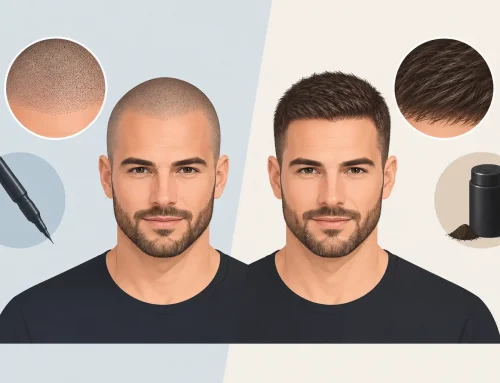
Men often prefer micropigmentation because subtle shading can restore the impression of density without the visibly groomed effect of a drawn-on brow. Clients with darker skin tones benefit from an approach that considers melanin-rich skin, undertones, and pigment selection with precision rather than using a generic brow formula. For scars, vitiligo, areola reconstruction, and tattoo camouflage, an advanced color-matching process is not optional. It is the treatment.
The Specialist Matters More Than the Label
Choosing between these procedures should not begin and end with a menu description. The word microblading has become familiar, but familiarity is not the same as suitability. Ask to see healed results, not just freshly completed photos. Look for work on clients with skin similar to yours, particularly if you have mature, oily, sensitive, or deeply pigmented skin.
A credible provider should explain what they recommend and why. They should discuss shape conservatively, avoid promising identical results from a reference photo, and be candid about maintenance. They should also have a strategy for previous permanent makeup instead of treating correction as an afterthought.
The highest standard of cosmetic tattooing is restraint. A well-executed result should support your features in daylight, in high-definition photography, and on the days when you wear no other makeup at all.
A More Considered Way to Choose
If you are deciding between microblading versus micropigmentation, start with your skin, your lifestyle, and your desired level of softness. Do not choose hair strokes simply because they are recognizable, and do not choose a procedure based solely on a low introductory price. Correcting faded or poorly placed pigment can demand far more time, expense, and patience than choosing an expert approach from the beginning.
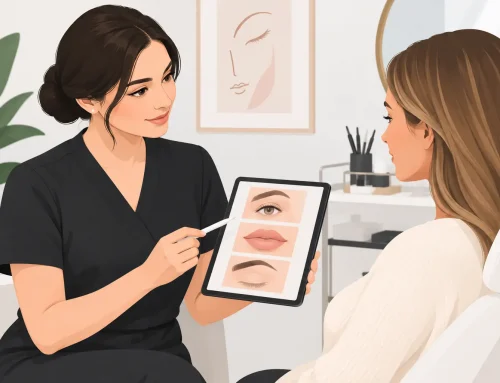
The right treatment should make your routine easier while preserving the qualities that make your face distinctly yours. A detailed consultation, honest assessment of your skin, and a personalized design plan are where that result begins.