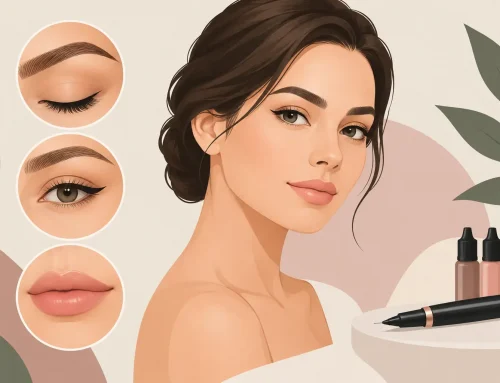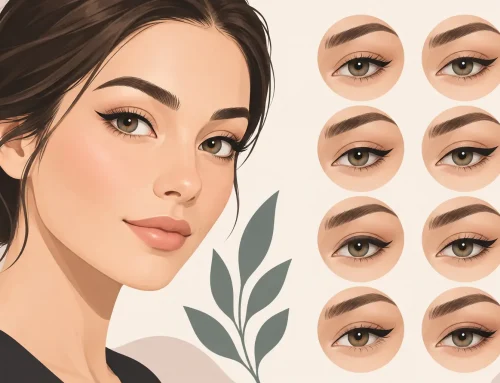

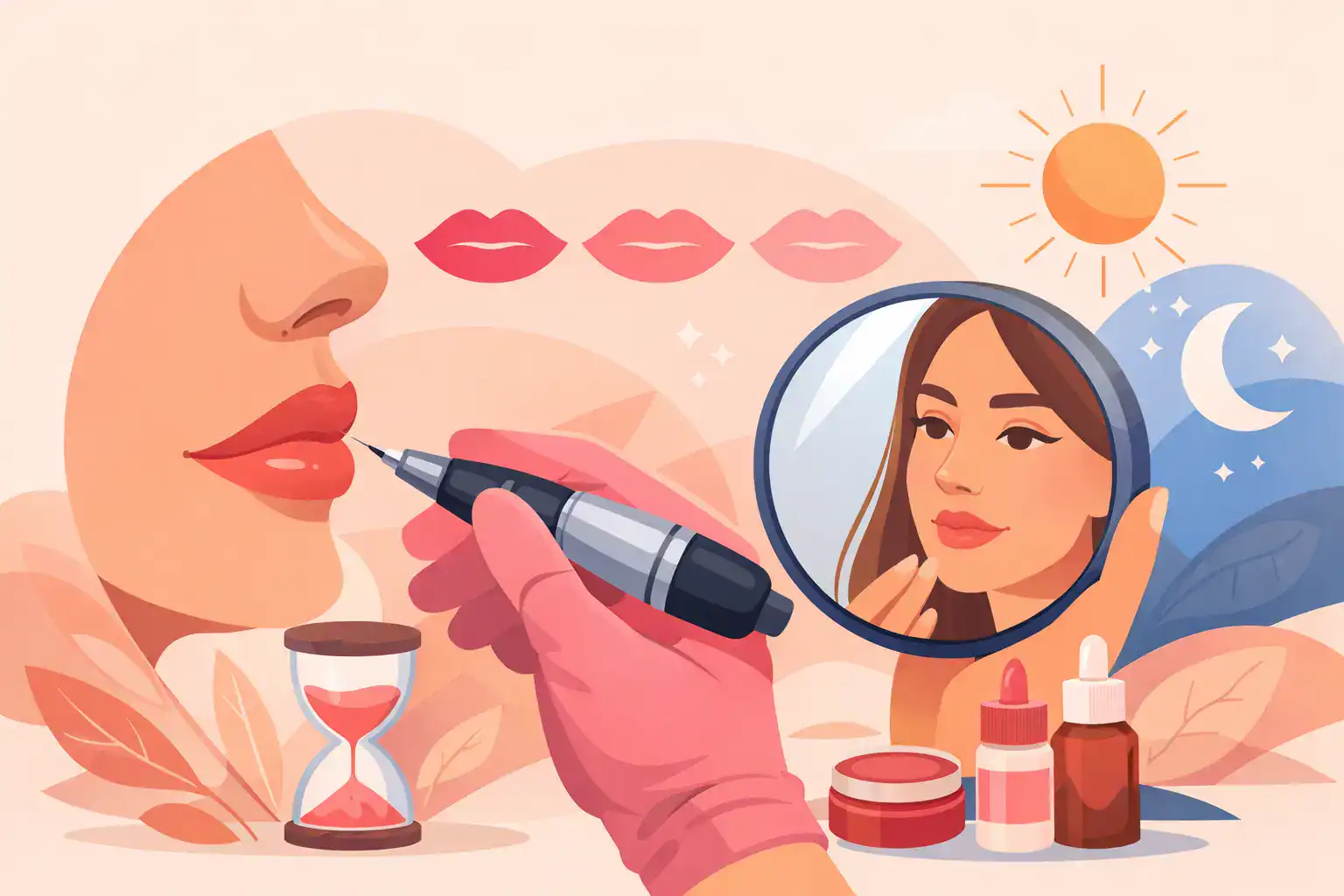
A beautifully defined lip color should make you look more polished, not permanently “made up.” So, how long does lip blush last? For most clients, a refined semi-permanent lip enhancement can remain visible for approximately two to five years. The more meaningful answer is that retention depends on your skin, lifestyle, pigment selection, technique, and maintenance plan.
Lip blush is not designed to deliver the dense, opaque look of traditional lipstick or conventional permanent makeup. When performed with a precise, modern method, it creates the impression of naturally even color, improved definition, and a healthier-looking lip tone. That softer result is exactly why thoughtful fading and maintenance matter.
How Long Does Lip Blush Last on Average?
Most lip blush results remain attractive for two to five years, gradually softening rather than abruptly disappearing. Some clients choose a color refresh closer to the two-year mark to preserve definition and vibrancy. Others enjoy their result for longer before deciding they want more color.
There is no responsible one-size-fits-all promise. Lips are constantly exposed to moisture, food, skincare products, sun, and natural exfoliation. Unlike a body tattoo, lip pigment is placed with the goal of a delicate, translucent cosmetic finish. The treatment is intentionally designed to fade gracefully over time rather than create a harsh, permanent border.
A premium result should still look like you on the days you wear no other makeup. As the color fades, it should become softer and lighter, not shift into an obvious outline that competes with your natural features.
Why Lip Blush Fades Over Time
Fading is a normal part of semi-permanent cosmetic pigmentation. The skin continuously renews itself, and the lips have a particularly active environment. Natural cell turnover slowly moves pigment out of the skin, while sun exposure and daily habits can accelerate the process.
Your body’s own characteristics play a significant role. Clients with oily skin, fast metabolism, highly exfoliative skin, or frequent sun exposure may see color soften sooner. A history of cold sores, certain medications, immune-related conditions, and individual healing patterns can also influence how the pigment settles and retains.
The desired color matters as well. Soft pinks, nude tones, and neutral rosy shades are elegant because they mimic natural lip color, but lighter pigments may appear more subtle as they mature. A custom color should complement your lip tone and skin undertone, not simply imitate the shade of a favorite lipstick. The most enduring choice is often the one that remains believable as it fades.
Technique Has a Major Effect on Retention
Not all lip blush procedures are performed with the same equipment, pigment quality, depth control, or artistic standard. Those differences influence both the immediate appearance and the way color evolves over the years.
Traditional permanent makeup techniques can place pigment too deeply or too densely, increasing the risk of an unnatural finish, difficult color changes, or a result that no longer suits the face. Conversely, pigment placed too superficially may fade prematurely. The goal is controlled placement that allows the skin to heal around the pigment while maintaining a soft, even veil of color.
At MicroArt, the focus is on proprietary precision techniques and custom-blended mineral-based pigments that are selected for a natural, sophisticated outcome. This approach is particularly valuable for clients who want the convenience of enhanced lips without the unmistakable look associated with older cosmetic tattoo methods.
A skilled specialist also understands that lips are not a flat canvas. They assess natural asymmetry, lip texture, the existing vermilion border, areas of uneven pigmentation, and the way your lips move when you speak and smile. A technically correct procedure can still look unnatural if the design is too bold for the client’s features. Precision is what makes the result feel effortless.
The Healing Phase Can Change What You See
The color you see immediately after a lip blush procedure is not the final result. Freshly treated lips can look brighter, deeper, or more saturated than expected. During the healing period, the color may soften significantly, sometimes appearing to fade before it returns as the skin completes its recovery.
This is one reason a touch-up appointment is commonly part of the treatment plan. The initial session establishes the foundation, while the follow-up allows the specialist to assess healed retention, refine any uneven areas, and adjust the color if appropriate. Skipping this step can leave a client judging the longevity of an unfinished result.
Healing also requires patience. Attempting to speed up the process with exfoliants, active skincare, or premature makeup application can compromise the outcome. Your provider’s aftercare instructions should always take priority, particularly if you are prone to cold sores or have a history of sensitive skin.
What Makes Lip Blush Last Longer?
You cannot stop natural fading, and you should be cautious of anyone who suggests otherwise. You can, however, protect your investment with sensible habits before and after treatment.
Before your appointment, disclose medications, prior cosmetic tattooing, lip filler history, allergies, skin conditions, and any tendency toward cold sores. A specialist needs this information to determine whether treatment timing, preparation, or medical clearance is necessary. Clients with a history of cold sores are often advised to discuss preventative antiviral medication with their physician before a lip procedure.
After treatment, follow the prescribed healing protocol closely. Keep the lips protected as instructed, avoid picking or exfoliating, and do not introduce irritating products before the area has healed. Once healed, daily SPF around the lip area and a consistent barrier-focused lip routine can help limit unnecessary fading caused by sun and dryness.
Long-term, be aware of treatments that can affect pigment retention. Strong exfoliating acids, retinoids used too close to the mouth, aggressive laser treatments, chemical peels, and repeated lip scrubs may cause color to fade faster. You do not need to avoid these treatments forever, but your skincare provider should know you have semi-permanent lip pigment.
When Should You Schedule a Lip Blush Refresh?
A refresh is not a correction of failure. It is part of owning a refined semi-permanent result. Many clients schedule maintenance when their lips begin to look less even, less defined, or less lively than they prefer. For some, that is around 18 to 24 months. For others, it may be three years or more.
The right timing depends on your aesthetic preference. If you enjoy a barely-there wash of color, you may wait until the pigment has softened considerably. If you prefer a consistently polished appearance and want to minimize daily liner or tinted balm, earlier maintenance can preserve the original design more easily.
Do not wait until the pigment has changed dramatically or nearly vanished if you know you want to maintain the result. A controlled refresh on a stable, softly faded base is generally more predictable than rebuilding color after years of neglect.
Choosing Lip Blush for the Right Reason
Lip blush is ideal for clients who want more even color, subtle definition, or a healthier appearance without relying on daily lipstick. It can be especially appealing when natural lips have lost pigment over time, show uneven tone, or lack a clear border. It is not the best solution for someone seeking a dramatically larger lip shape, a fully opaque lipstick effect, or an instant replacement for injectable volume.
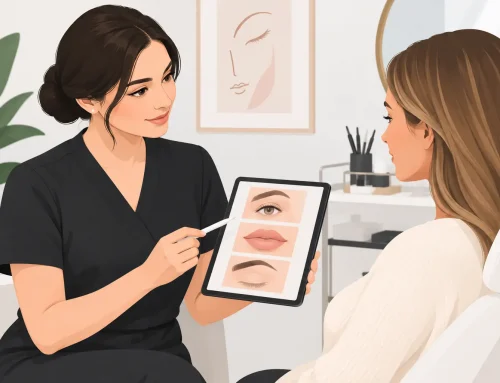
The consultation is where the real value begins. An experienced provider should discuss your desired intensity, evaluate your natural lip tone, explain realistic healing changes, and advise whether your goals require lip blush, another aesthetic treatment, or a combination approach. For luxury clients, the standard should be discretion, customization, and a result that remains elegant at every stage of fading.
The best lip blush does not announce itself. It simply gives you the confidence of looking rested, balanced, and naturally polished before the first swipe of makeup.